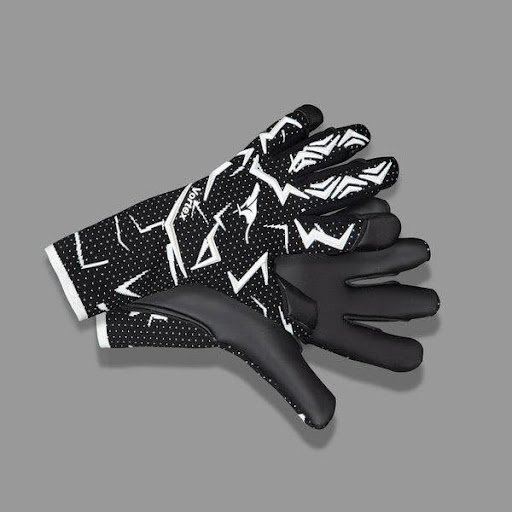

Product photography has always played a crucial role in marketing, but the landscape is evolving rapidly. With the rise of e-commerce and social media, businesses need high-quality visuals that grab attention and drive sales. Product photography services are now incorporating new technologies and creative approaches to stay ahead of the competition. From AI-powered editing to lifestyle photography, brands are rethinking how they present their products.
In this article, we explore the latest trends in product photography services and how they are shaping the industry. Whether you are a business owner looking to improve your visuals or a photographer looking for fresh ideas, these insights will help you understand where the industry is heading.
AI-driven editing and automation
One of the most significant advancements in product photography services is the use of artificial intelligence for editing. AI-powered tools can enhance images, remove backgrounds, adjust lighting, and even create realistic shadows in just a few clicks. This reduces the time and effort required for post-production, allowing photographers and businesses to focus more on creativity.
AI automation also ensures consistency across a brand’s images. Whether a business has hundreds or thousands of products, AI tools can maintain a uniform look, making product listings more professional and visually appealing. As AI continues to advance, it is likely that businesses will rely even more on automated editing processes to streamline their product photography services.
Lifestyle product photography
Consumers today want to see products in real-life settings rather than plain studio shots. Lifestyle product photography is gaining popularity as brands focus on storytelling and emotional connections. Instead of showing a product on a white background, businesses are using models, natural environments, and everyday scenarios to showcase how the product fits into a customer’s life.
This trend is particularly important for industries like fashion, beauty, and home decor. A handbag photographed on a store shelf may not be as engaging as the same handbag shown on a person walking down a city street. Lifestyle shots help potential buyers visualize how they would use the product, making it more appealing and relatable.
360-degree and interactive product images
With online shopping becoming more competitive, businesses are looking for ways to enhance the customer experience. One of the biggest trends in product photography services is the use of 360-degree product images and interactive visuals. These allow customers to rotate a product and view it from every angle, providing a more immersive shopping experience.
Interactive product photography is especially useful for tech gadgets, home appliances, and fashion accessories where details matter. By giving customers a complete view of a product, businesses can reduce return rates and improve customer satisfaction.
Advanced product photography pricing models
As product photography evolves, so do pricing structures. Many photography services now offer more flexible and transparent pricing models to cater to different business needs. Instead of charging a flat fee per image, some companies offer subscription-based pricing, bulk discounts, or on-demand services for small businesses.
Additionally, some product photography services provide tiered pricing based on the level of editing, number of images, and usage rights. High-end brands that need premium edits and retouching pay more, while smaller businesses can opt for basic packages to keep costs manageable. With competition growing, photographers are also offering additional services like social media content creation and short product videos to add value to their pricing packages.
Mobile-first photography and smartphone optimization
With the majority of online shopping happening on mobile devices, product images need to be optimized for small screens. Many product photography services are now focusing on mobile-first photography, ensuring that images are sharp, engaging, and well-lit, even on smaller displays.
This trend also includes using smartphone cameras for professional photography. While DSLR cameras still dominate the industry, high-end smartphones with advanced camera technology are becoming a viable alternative. Some brands are even using mobile photography for social media campaigns to create a more authentic and relatable feel.
Minimalist and clean aesthetics
In an age where consumers are bombarded with content, simple and clean product photography is making a comeback. Many brands are embracing minimalist aesthetics with neutral backgrounds, soft lighting, and a focus on product details. This approach eliminates distractions and ensures that the product remains the main focus of the image.
Minimalist product photography works particularly well for luxury brands and premium products. A simple yet elegant image can create a sense of exclusivity and sophistication, appealing to high-end consumers.
Conclusion
Product photography services are evolving rapidly, incorporating new technologies and creative strategies to meet the changing demands of consumers and businesses. AI-powered editing, lifestyle photography, and interactive images are just a few of the trends reshaping the industry.
At the same time, product photography pricing models are becoming more flexible, allowing businesses of all sizes to access high-quality visuals. Whether a company is looking for minimalist aesthetics, user-generated content, or eco-friendly photography solutions, staying updated with the latest trends is essential for maintaining a competitive edge in the market.
As technology continues to advance, product photography will only become more innovative and impactful, helping businesses showcase their products in ways that drive engagement and boost sales.