
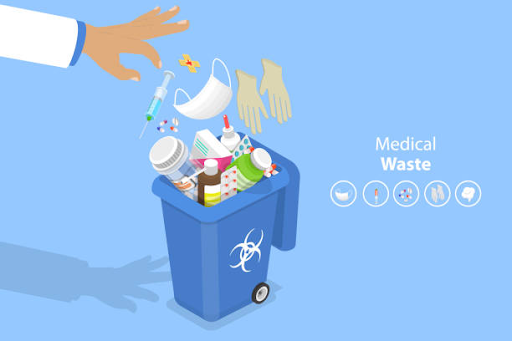
Proper biomedical waste disposal is critical in maintaining public health, preventing the spread of infectious diseases, and protecting the environment. In the United States, healthcare facilities such as hospitals, dental clinics, veterinary practices, and laboratories generate vast amounts of biomedical waste that must be managed and disposed of according to strict federal and state regulations. Failure to comply with these regulations can result in serious penalties, legal action, and harm to the public.
This blog explores the key biomedical waste disposal laws in the United States, along with compliance guidelines for healthcare facilities to ensure safe and responsible waste management.
Key Federal Laws Governing Biomedical Waste Disposal
In the United States, several federal agencies play a role in regulating biomedical waste disposal. The most significant laws include:
1. The Resource Conservation and Recovery Act (RCRA)
Administered by the Environmental Protection Agency (EPA), the RCRA governs the disposal of hazardous waste, including certain types of biomedical waste. It establishes guidelines for the classification, treatment, storage, and disposal of hazardous materials generated by healthcare facilities.
- Compliance Tip: Facilities must segregate hazardous biomedical waste and ensure proper disposal through permitted waste management facilities.
2. The Medical Waste Tracking Act (MWTA) of 1988
The MWTA, though no longer active, laid the foundation for the management of medical waste. It established the need for tracking systems that ensure the safe transport and disposal of biomedical waste.
- Compliance Tip: While the MWTA expired in 1991, many states adopted its guidelines to ensure safe biomedical waste management.
3. The Occupational Safety and Health Administration (OSHA) Regulations
OSHA enforces the Bloodborne Pathogens Standard (29 CFR 1910.1030), which mandates safe handling, labeling, and disposal of contaminated sharps and other potentially infectious materials.
- Compliance Tip: Healthcare facilities must train staff on proper handling, labeling, and disposal of sharps and contaminated waste.
4. The Clean Air Act (CAA) and Clean Water Act (CWA)
These laws regulate emissions and discharges from biomedical waste treatment processes. Incinerators and wastewater treatment plants that handle biomedical waste must comply with air quality and water pollution standards.
- Compliance Tip: Facilities using on-site incinerators must meet strict emission standards and obtain appropriate permits.
State-Specific Biomedical Waste Regulations
While federal laws set the baseline, individual states have the authority to impose additional regulations on biomedical waste disposal. Each state has its own Department of Health or Environmental Protection Agency that oversees the management of biomedical waste.
- Example:
- California: Enforces the Medical Waste Management Act, which outlines strict requirements for waste handling, treatment, and disposal.
- Florida: Mandates compliance with Chapter 64E-16 of the Florida Administrative Code, which sets guidelines for waste segregation and treatment.
Compliance Tip: Healthcare facilities should familiarize themselves with the specific requirements of their state to ensure full compliance.
Compliance Guidelines for Healthcare Facilities
To remain compliant with federal and state laws, healthcare facilities should implement the following best practices:
1. Develop a Biomedical Waste Management Plan
A comprehensive waste management plan should outline procedures for waste segregation, packaging, labeling, storage, transport, and treatment.
2. Proper Waste Segregation and Labeling
Segregate biomedical waste into distinct categories such as sharps, infectious waste, and hazardous waste. Use color-coded containers and clearly labeled biohazard bags to prevent cross-contamination.
3. Staff Training and Education
Regularly train healthcare personnel on biomedical waste disposal protocols and safety guidelines to ensure compliance and minimize risks.
4. Secure Waste Storage and Transport
Ensure biomedical waste is stored in secure, leak-proof containers before being transported to a licensed waste treatment facility. Transporters must follow strict guidelines to prevent spillage or contamination during transit.
5. Maintain Accurate Waste Records
Document waste generation, transportation, and disposal records to demonstrate compliance during inspections or audits.
Penalties for Non-Compliance
Non-compliance with biomedical waste disposal laws can lead to:
- Hefty fines and penalties
- Legal action and lawsuits
- Suspension or revocation of licenses
- Damage to reputation and public trust
Healthcare facilities must stay informed of changing regulations to avoid these risks and ensure continuous compliance.
Conclusion
Adhering to federal and state biomedical waste disposal laws protects healthcare workers, patients, and the environment. By implementing strict compliance measures, healthcare facilities can effectively manage biomedical waste while reducing potential hazards. A critical aspect of this process is sharps waste disposal, which requires extra caution to prevent needlestick injuries and the spread of bloodborne pathogens. Proper segregation, secure containment, and timely disposal of sharps are essential for ensuring a safe and compliant waste management system.