When it comes to shrink wrapping, businesses are often faced with the decision between using a shrink film heat tunnel or a heat gun. Both tools serve the same core purpose—applying heat to shrink film around a product—but they differ significantly in terms of operation, efficiency, scalability, and results. Choosing the right one can have a big impact on your packaging quality, productivity, and overall workflow.
In this blog, we’ll take a closer look at both shrink film heat tunnels and heat guns, comparing their pros and cons, use cases, and how they integrate with other packaging tools like heat sealer machines. This will help you determine which option is best suited to your packaging needs.
What Is a Shrink Film Heat Tunnel?
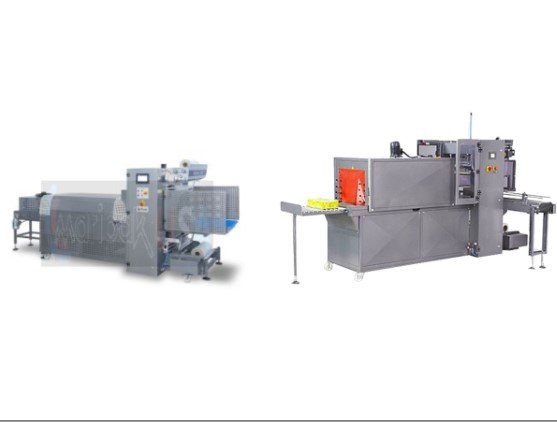
A shrink film heat tunnel is a specialized piece of packaging equipment designed to apply consistent, high-temperature heat to shrink film as products pass through it on a conveyor belt. It’s commonly used in industrial and commercial settings where high volumes of products need to be shrink-wrapped efficiently and uniformly.
The tunnel contains heating elements and sometimes fans to distribute hot air evenly, ensuring all sides of the film shrink tightly around the product. The result is a professional, secure, and tamper-evident package that protects the product during transport and improves shelf appeal.
What Is a Heat Gun?
A heat gun is a handheld device that emits hot air, used to manually shrink wrap film around a product. It’s often used in low-volume settings or for packaging irregularly shaped items where automated systems may not be practical. Heat guns offer more flexibility but require manual labor, skill, and close attention to avoid uneven shrinkage or film damage.
They’re popular among small businesses, startups, or operations that don’t package products at scale but still want the benefits of shrink wrapping.
Comparing Efficiency and Speed
One of the most critical factors in choosing between a heat tunnel and a heat gun is packaging speed. A shrink film heat tunnel is the winner when it comes to efficiency. It can process hundreds—or even thousands—of items per hour, making it the preferred option for high-volume packaging environments such as food production, pharmaceuticals, and retail products.
On the other hand, a heat gun is considerably slower since each product must be handled individually. It’s more labor-intensive, and while it can produce decent results with practice, it’s not ideal for operations that demand speed or consistency.
Consistency and Finish Quality
Consistency is another area where heat tunnels shine. Because they provide uniform heat from multiple angles, they deliver a tight, wrinkle-free finish with fewer errors. This is especially important in retail settings where presentation affects customer perception and buying decisions.
Heat guns can produce satisfactory results, but the quality largely depends on the operator’s experience. It’s easy to overheat one area or leave another undershrunk, resulting in uneven finishes or even damaged film. This makes a heat gun more suited for custom packaging jobs or prototypes where variation is acceptable.
Safety and Ease of Use
From a safety standpoint, shrink film heat tunnels are enclosed and designed with features like insulated exteriors and automated shut-offs. Once set up properly, they are relatively safe and easy to operate, requiring minimal manual interaction beyond feeding products onto the conveyor.
Heat guns, while simple in concept, pose greater risks. Since they are handheld and reach high temperatures, there’s a higher chance of burns, fire hazards, or damage to the product if not used correctly. Operator fatigue is also a concern for long shifts.
Space and Budget Considerations
Heat guns win in terms of space and upfront cost. They’re small, portable, and inexpensive—ideal for businesses with limited packaging needs or minimal workspace. If your packaging volume is low, a heat gun could be a more practical choice.
In contrast, shrink film heat tunnels require a larger footprint and higher capital investment. However, for businesses that expect to scale or already operate at high volumes, the long-term cost benefits, labor savings, and improved throughput make them worth the investment.
Integration with Heat Sealer Machines
Both heat tunnels and heat guns are typically used in tandem with heat sealer machines, which seal the shrink film around the product before it’s shrunk. In high-volume settings, a fully automated line will include a heat sealer, conveyor, and shrink tunnel, enabling seamless packaging from start to finish.
With a heat gun, sealing is still necessary, but the process is often more manual. You’ll likely use a tabletop or impulse sealer to create the initial seal before shrinking the film. While effective, this manual approach can slow down operations if you’re handling many products.
When to Choose a Shrink Film Heat Tunnel
Go with a shrink film heat tunnel if:
- You process a high volume of products daily.
- You want consistent, professional packaging quality.
- You’re ready to invest in automation for long-term efficiency.
- You aim to scale your business or packaging operations.
When a Heat Gun Makes More Sense
A heat gun may be better if:
- Your packaging volume is low or irregular.
- You’re just starting and need a budget-friendly solution.
- You package a wide variety of items in shapes and sizes.
- Space is limited in your work area.
Conclusion
The right packaging solution depends on your production volume, quality expectations, budget, and long-term business goals. For small-scale operations or occasional packaging needs, a heat gun paired with a heat sealer machine can do the job effectively. But for businesses looking to boost efficiency, improve consistency, and prepare for higher output, investing in a shrink film heat tunnel is a smart move. Whichever route you take, pairing it with the right heat sealer machines will ensure a streamlined, professional packaging process.