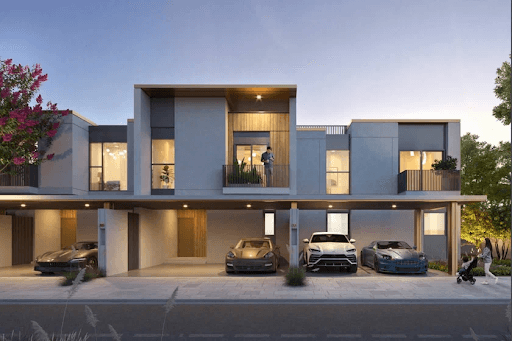
The aspiration of the kind of home to own usually makes a potential buyer to consider different kinds of homes and a townhouse is a good middleman between apartments and single-family homes. The flexibility of the payment structures that are offered with various buyers when dealing with an under construction town house for sale is an important factor as many buyers are attracted to paying with more affordability and convenience. Nevertheless, these apparently appealing plans may turn into the economic horror-story in case they are not adequately considered. Being aware of the possible traps and learning how to avoid them is the way to avoid years of financial pressure and remorse.
Understanding the Appeal of Townhouse Payment Plans
Townhouse payment plans have become very popular since they enable the buyer to receive the property without the full down payment. Such fixed plans usually enable those making purchases to pay over long term periods thus making homes affordable to families with middle income. Buyers tend to be attracted to these payment plans when purchasing an under construction town house since they will be able to fix the prices in the present as the construction is still in progress.
The payment plans of townhouses may be especially attractive to young professionals, expanding families or first-time buyers who do not necessarily have a lot of savings at their disposal. The plans do not necessarily demand as large up-front payments as the conventional mortgage deals, and the buyer can thus save on cash flow to spend on other crucial needs or investments. Also, the scheme of gradual payments may correspond to the career advancement and reward improvement, which in theory, makes the financial burden more affordable in the long-term.
Common Pitfalls in Townhouse Payment Arrangements
Although they seem to be beneficial, townhouse payment plans can have a number of unseen pitfalls that can be missed by their unaware buyers. Perhaps the greatest threat is that of escalating payment schemes where a relatively modest scheme can grow exponentially over the years. Most of the buyers concentrate on the amount of initial payments without doing a thorough calculation of how such amounts will increase over the payment period. Such oversight may result in a scenario of monthly payments being too much to handle, and homeowners being put into defaulting or economic hardship.
The other major trap is ambiguous or deceptive contract conditions that are biased against the buyers and in favor of the developers. There are some town house payment schemes with provisions to make arbitrary price changes, on early payment of penalty, or even limits on transfer of property. Customers who fail to give proper legal consideration to contracts eventually find themselves in the dark about these disadvantageous clauses after they might have invested a lot of resources in the transaction. These contracts have a complex nature and the average consumer may find it hard to detect problematic provisions without professional help.
Delay in construction is yet another significant risk of buying an under construction town house on sale that has longer payment plans. As buyers keep paying as per schedule, developers can encounter numerous problems that delay the completion dates. Such delays may result in the buyers being forced to pay on the properties that they cannot occupy yet continue with their existing housing costs leading to a double financial burden which can be very harsh on the household budgets.
Hidden Costs and Fee Structures
The townhouse payment plans are characterized by hidden costs that greatly add to the overall cost of the purchase of the house to a much higher price than that is displayed. Such extra costs may involve processing cost, administrative costs, maintenance charges during construction, or obligatory insurance costs which may be borne by the buyers. Other developers will build these costs into the system of payments, so that they are less noticeable at the time of negotiation, but result in significant long-term financial commitments.
It is also possible to be misleading or unfavorable to the buyers in calculating interest in townhouse payment plans. In contrast to the clear interest rates in conventional mortgages, certain payment schemes utilize complicated formulas that in effect lead to increased costs of borrowing as compared to the traditional financing schemes. The buyers might find that their cumulative payments are much more than the actual price of the property and their purchase is not cost effective in terms of other financing mechanisms.
Such payment systems may have high documentation fees, legal processing costs and other administrative expenses that may add up. Other developers will insist that buyers get their legal services or insurance through certain firms, which reduces competition and may increase these costs needed. It is important to know the full-cost structure in advance before making any payment plan because this facilitates making informed financial choices.
Due Diligence Strategies for Buyers
To self-protect against the townhouse payment plans that are not favorable, you need thorough due diligence that cannot be done at face-value. Start by asking to be provided with all payment schedules in detail, with a breakdown of principal amounts, interest calculations, and other fees. Put these total costs in contrast to the traditional mortgaging options to find out whether the payment plan is truly valuable or is just an illusion of affordability.
It is essential to hire skilled lawyers to examine all the documents of the contract to detect the possible problematic clauses or unfair terms. Real estate lawyers are able to interpret complicated clauses in simple wordings and negotiate changes that are more favorable to the interests of the buyers. Such a professional review can identify possibilities to remove the undesirable conditions or obtain additional guarantees, which were not offered initially.
Making Informed Decisions About Payment Plans
When considering buying a town house that is under construction, be sure to make payment plan decisions with a reality check and thorough analysis. Compare the actual cost of financing by using the payment plan of the developer to the traditional mortgage plans, including all the charges and interest rates and other expenses. This comparison is supposed to take in consideration the current interest rates, your creditworthiness and the down payment resources available to make the projection of the costs accurate.
Conclusion
Townhouse payment plans may offer valid means to homeownership, but should be thoroughly considered so as to prevent a potentially disastrous financial situation. The ability to maneuver in these arrangements requires careful due diligence, expert advice and good judgment of your long-term financial ability and knowing the most common traps and taking preventive measures you will be able to make wise decisions that will not jeopardize your financial well-being and will help you achieve your homeownership objectives.
For More Info Visit:- digiviveo.com