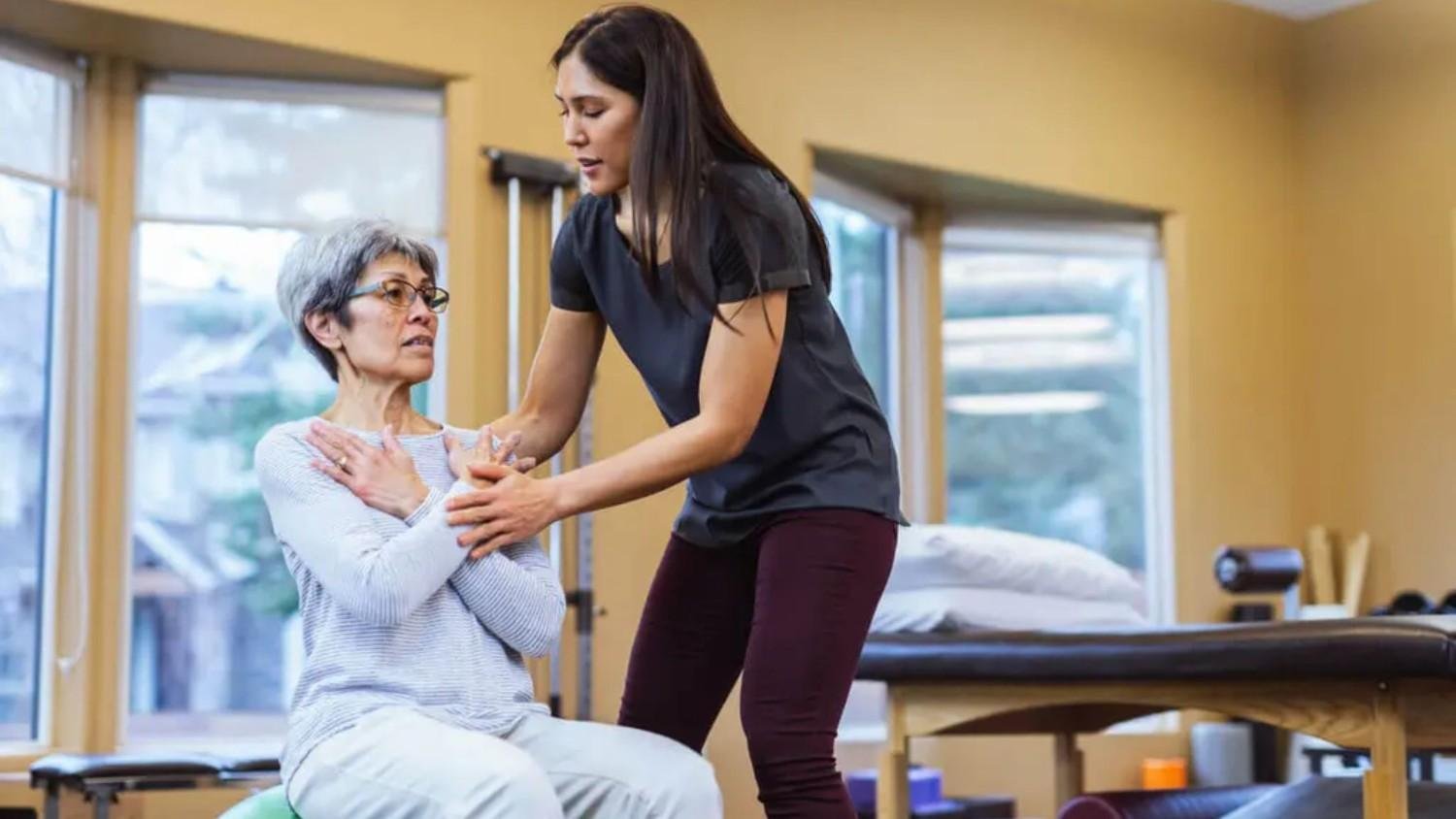
Women experience unique physical, hormonal, and biological changes throughout their lives. These changes—from puberty to pregnancy, postpartum recovery, and menopause—deeply affect their overall health and well-being. This is where Women’s health physical therapy plays an important role. It helps women manage pain, improve mobility, strengthen the pelvic floor, and enhance their quality of life at every age.
In this blog, we will explore why Women’s health physical therapy matters at every stage of life, what it treats, and how it supports long-term wellness.
Understanding Women’s Health Physical Therapy
Women’s health physical therapy focuses on treating conditions related to the pelvic floor, reproductive system, pregnancy, postpartum recovery, and hormonal changes. It is handled by trained physiotherapists who specialize in women-specific issues such as pelvic pain, incontinence, diastasis recti, and pre/postnatal care.
Unlike regular physiotherapy, Women’s health physical therapy takes a holistic approach. It looks at how lifestyle, posture, muscle imbalance, childbirth, and hormonal shifts affect a woman’s body. This form of therapy is not only for women with health problems—it is also beneficial for maintaining long-term pelvic wellness and preventing future complications.
1. During Adolescence: Building Strong Foundations
Adolescence brings major hormonal and physical changes. Many young girls may experience posture issues, sports injuries, menstrual pain, or lower back discomfort.
How Women’s health physical therapy helps:
- Corrects posture and alignment
- Reduces menstrual cramps through relaxation and strengthening techniques
- Supports teenage athletes with injury prevention and muscle conditioning
- Encourages healthy movement patterns for adulthood
Starting early helps young women develop strong muscles, good posture, and body awareness that will support them throughout life.
2. During the Reproductive Years: Preventing and Managing Common Issues
The reproductive years, typically from the 20s to the early 40s, bring new challenges. Busy careers, long sitting hours, fitness routines, and family responsibilities often lead to physical strain.
Common issues women face:
- Lower back pain
- Pelvic discomfort
- Painful intercourse
- Urinary urgency or leakage
- Irregular movement habits or muscle weakness
Women’s health physical therapy helps address these issues before they turn into long-term problems. Physiotherapists recommend targeted exercises, pelvic floor strengthening routines, and ergonomic corrections to prevent discomfort and improve body balance.
3. During Pregnancy: Supporting a Healthy Body and Safe Delivery
Pregnancy is one of the most transformative stages of a woman’s life. The body undergoes rapid changes—weight gain, hormonal shifts, and muscle stretching. These changes can cause pain and discomfort.
Women’s health physical therapy during pregnancy helps:
- Reduce back, hip, and pelvic pain
- Improve posture as the belly grows
- Strengthen pelvic floor muscles for labor
- Reduce swelling and improve circulation
- Teach safe exercises to stay active
Therapists also guide women with breathing techniques, relaxation methods, and positions that support a smoother and more comfortable delivery.
4. Postpartum Stage: Recovering After Childbirth
The postpartum phase is often the most challenging. Women may experience exhaustion, abdominal separation (diastasis recti), weakened pelvic muscles, and overall body fatigue after childbirth.
Women’s health physical therapy is essential at this stage for:
- Healing diastasis recti
- Rebuilding core and pelvic floor strength
- Treating urinary incontinence or leakage
- Relieving neck, shoulder, and back pain from breastfeeding
- Improving posture and movement
Many women think these issues are “normal after childbirth,” but they can be fully treated with proper physiotherapy care. Early intervention ensures faster recovery and better long-term health.
5. During Perimenopause and Menopause: Managing Hormonal Changes
Hormonal changes during menopause affect the body in many ways. Lower estrogen levels can weaken the pelvic floor, reduce bone density, and lead to bladder issues.
Women may experience:
- Pelvic organ prolapse
- Urinary incontinence
- Vaginal dryness or discomfort
- Joint stiffness
- Reduced muscle strength
Women’s health physical therapy helps relieve these conditions and supports women in staying active and mobile. It includes pelvic floor strengthening exercises, balance training, flexibility routines, and pain management techniques tailored to menopausal changes.
6. Older Adulthood: Maintaining Independence and Mobility
As women age, maintaining mobility becomes even more important. The risk of falls, arthritis, osteoporosis, and muscle weakness increases.
Women’s health physical therapy is vital for:
- Improving balance and coordination
- Strengthening bones and muscles
- Preventing falls
- Managing chronic pain
- Supporting healthy aging
Regular therapy helps older women remain independent, confident, and physically strong.
Why Women’s Health Physical Therapy Is Important at Every Stage
Women’s health physical therapy isn’t just for treating problems—it is a lifelong support system. It helps women understand their bodies, strengthen important muscles, prevent injuries, and maintain wellness.
Key benefits include:
- Improved pelvic health
- Reduced chronic pain
- Better posture and movement
- Enhanced confidence and body awareness
- Faster recovery from childbirth or surgeries
- Prevention of future health issues
Every stage of a woman’s life brings new changes. Women’s health physical therapy ensures that the body adapts smoothly and stays healthy through each transition.
Final Thoughts
Women should never ignore pain or discomfort, no matter their age. Issues like back pain, incontinence, pelvic discomfort, or postpartum weakness are common—but they are not normal. With the right guidance, support, and exercises, women can heal and stay healthy.
Women’s health physical therapy empowers women to stay active, confident, and pain-free at every stage of life. Whether you are a teenager, expectant mother, postpartum woman, or older adult, this therapy can help you feel stronger and live a healthier life.