
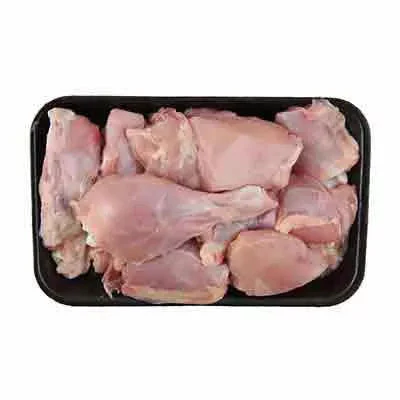
Ensuring access to fresh meat and fish while maintaining hygiene standards has become a priority for households that value both nutrition and safety. With rising awareness around food handling and quality, sourcing non-vegetarian ingredients requires careful attention to cleanliness, storage, and processing practices. Choosing a reliable online non-veg store allows households to receive well-handled products that meet hygiene benchmarks while supporting everyday cooking needs without compromising food safety or taste.
1. Clean sourcing practices that maintain ingredient integrity
The foundation of hygienically processed meat and fish begins with sourcing practices that prioritize cleanliness and freshness at every stage. Reliable sourcing partners ensure livestock and seafood are selected from approved suppliers that follow regulated standards. This minimizes contamination risks and preserves the natural quality of the ingredients before processing even begins.
- Verified supply channels
Suppliers are chosen based on compliance with hygiene regulations, quality checks, and traceability standards. This ensures meat and fish originate from controlled environments rather than unregulated sources. Verified channels reduce the chances of spoilage and contamination while improving consistency in quality. - Careful selection at origin points
Each batch of meat or fish is inspected for freshness indicators such as texture, color, and odor. This initial screening helps eliminate compromised produce early in the process. Selecting only suitable ingredients supports safer downstream handling and better cooking results. - Temperature-controlled transportation
Maintaining appropriate temperatures during transit prevents bacterial growth and preserves freshness. Cold-chain logistics ensure products remain within safe temperature ranges from sourcing points to processing facilities. This step is critical for retaining nutritional value and taste.
2. Hygienic processing environments that support food safety
Processing facilities play a significant role in determining the final quality of meat and fish delivered for home cooking. Clean infrastructure, trained staff, and standardized procedures help minimize human contact and reduce exposure to contaminants. These environments are designed to support safe handling throughout the processing cycle.
- Sanitized workstations and equipment
All tools, surfaces, and machinery are cleaned and disinfected at regular intervals. This prevents cross-contamination between different products. Consistent sanitation practices ensure that hygiene standards are upheld during every processing shift. - Trained handling personnel
Staff members follow strict hygiene protocols, including protective clothing, hand sanitation, and controlled access areas. Training ensures workers understand food safety responsibilities. Skilled handling reduces errors that could compromise product quality. - Segregated processing zones
Dedicated zones for cutting, cleaning, and packing prevent overlap between raw and processed products. This structured layout enhances workflow efficiency while lowering contamination risks. Segregation supports consistent hygiene compliance.
3. Precision cutting and portioning for home cooking convenience
Careful cutting and portioning improve both hygiene and usability for households. Uniform portions reduce the need for additional handling at home, making meal preparation easier and cleaner. Precision processing also ensures each cut retains its natural texture and freshness.
- Standardized cutting methods
Cuts are prepared using defined guidelines to maintain uniformity in size and shape. This consistency improves cooking outcomes and reduces wastage. Standard methods also limit excessive handling during preparation. - Minimal manual contact
Automated or semi-automated tools reduce direct human contact with meat and fish. Limited handling lowers the risk of contamination. This approach enhances safety without affecting quality. - Ready-to-use portions
Portions are designed for common household recipes, making them practical for daily meals. Pre-measured cuts save preparation time. This convenience supports hygienic cooking practices at home.
4. Secure packaging that preserves freshness
Packaging is essential in maintaining hygiene after processing. Proper sealing protects meat and fish from external contaminants while preserving moisture and flavor. Well-designed packaging also extends shelf life without relying on preservatives.
- Food-grade packaging materials
Only certified food-safe materials are used to prevent chemical reactions with the product. These materials maintain integrity under cold storage conditions. Safe packaging supports consumer health and product reliability. - Air-tight sealing methods
Sealed packs prevent exposure to air, reducing oxidation and bacterial growth. Tight sealing locks in freshness during storage and transit. This ensures products arrive in optimal condition. - Clear labeling for transparency
Labels provide information on cut type, weight, and handling guidelines. Transparent details help consumers store and cook products safely. Clear labeling builds trust and accountability.
5. Reliable cold-chain management during delivery
Maintaining consistent temperature control after packaging is critical for food safety. Delivery systems are designed to preserve freshness until the product reaches the consumer’s kitchen. Effective cold-chain management supports both quality and hygiene.
- Insulated transport containers
Delivery vehicles and containers are insulated to maintain required temperatures. This prevents spoilage during transit. Insulation ensures freshness even during longer delivery routes. - Continuous temperature monitoring
Sensors track temperature levels throughout transportation. Any deviation is flagged immediately for corrective action. Monitoring ensures compliance with safety standards. - Timely delivery schedules
Efficient routing minimizes transit time from the facility to the doorstep. Faster delivery reduces exposure risks. Timely fulfillment supports better quality retention.
6. Simplified ordering for mixed household needs
Modern households often combine different dietary preferences under one roof. Integrated platforms support both vegetarian and non-vegetarian purchases seamlessly. This enables coordinated meal planning without separate sourcing.
- Unified shopping experience
Consumers can place veg and non-veg online shopping orders through a single interface. This simplifies grocery planning and reduces multiple delivery dependencies. A unified system enhances convenience. - Consistent quality controls
Both categories follow defined hygiene and quality standards. This ensures no compromise in safety across product types. Consistency builds long-term trust. - Flexible scheduling options
Delivery slots can be aligned with household routines. Flexible timing supports efficient meal preparation. This adaptability improves user satisfaction.
7. Transparency in raw ingredient availability
Ordering raw meat and fish online requires confidence in freshness and handling. Transparent processes reassure consumers about what they receive. Clear communication supports informed purchasing decisions.
- Accurate product descriptions
Details about cut type, source, and preparation are clearly mentioned. This helps buyers choose suitable ingredients. Accurate descriptions reduce uncertainty. - Freshness assurance protocols
Quality checks are performed before dispatch to confirm suitability. Products not meeting standards are excluded. Assurance protocols protect consumers. - Direct fulfillment systems
When placing an online raw non-veg order, products move directly from processing to dispatch. This minimizes storage delays. Direct fulfillment preserves quality.
Conclusion
Reliable access to hygienically processed meat and fish transforms everyday cooking into a safer and more efficient experience. Thoughtful sourcing, controlled processing, and secure delivery systems collectively support quality meals at home. Through platforms such as StarQuik, households benefit from a dependable approach to fresh ingredient delivery that integrates safety, convenience, and consistent standards into daily food choices.