
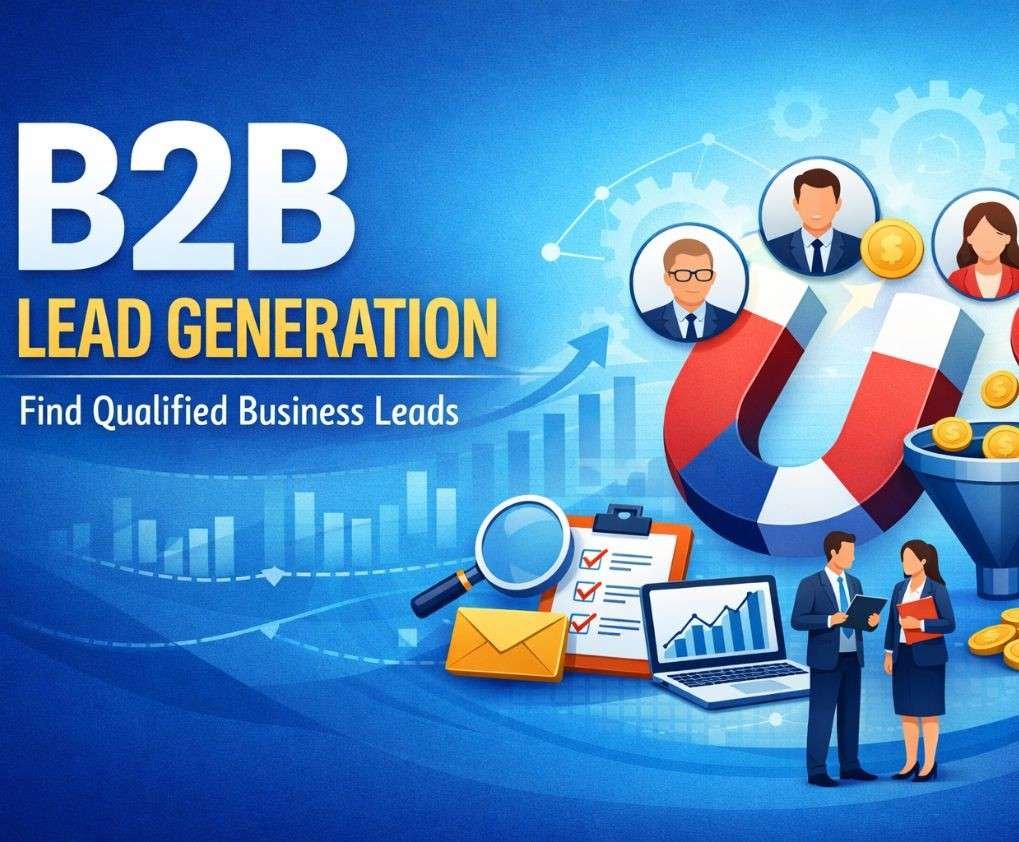
In the world of business, growth depends on one key factor: attracting the right customers. For businesses that sell to other businesses (B2B), finding the right clients isn’t always easy. This is where B2B lead generation comes in. But what exactly is it, and how do companies find qualified leads that are most likely to become loyal customers? Let’s break it down.
What Is B2B Lead Generation?
B2B lead generation is the process of identifying and attracting potential business clients who are interested in your products or services. Unlike business-to-consumer (B2C) marketing, B2B leads usually involve a longer sales process, higher-value purchases, and multiple decision-makers.
The goal is to find qualified leads—businesses that fit your ideal customer profile and have a genuine interest in your offerings. This ensures your sales team focuses on prospects who are more likely to convert, saving time and resources.
Why Lead Generation Matters
Effective lead generation is crucial for business growth. Without a steady stream of qualified leads, even the best products or services may struggle to reach their target audience. Here’s why it matters:
- Increased Sales Opportunities: More leads mean more chances to close deals.
- Better Resource Allocation: Focus on prospects who are genuinely interested, rather than wasting effort on cold contacts.
- Stronger Business Relationships: By understanding your leads’ needs, you can build trust and long-term partnerships.
- Predictable Growth: Consistent lead generation creates a reliable pipeline for future revenue.
Steps in B2B Lead Generation
B2B lead generation isn’t random; it involves strategic planning and a systematic approach. Here’s a breakdown of the key steps businesses use to find qualified leads:
1. Define Your Ideal Customer
The first step is to know who your target audience is. This is often called a buyer persona—a detailed description of your ideal client, including industry, company size, role, challenges, and goals.
For example, if your company sells accounting software, your ideal customer might be small to medium-sized businesses with in-house finance teams. Knowing this helps you focus your lead generation efforts on the right businesses.
2. Identify Lead Sources
Next, businesses find out where potential leads can be discovered. Common sources include:
- LinkedIn and Social Media: Professionals use these platforms to network, making it a rich source of B2B leads.
- Email Marketing: Sending targeted emails to prospects can nurture interest.
- Company Websites and Landing Pages: Offering valuable content like ebooks or webinars can capture lead information.
- Industry Events and Trade Shows: Networking in person helps establish credibility and connect with decision-makers.
- Referrals and Partnerships: Existing clients or business partners can introduce new leads.
3. Capture Lead Information
Once a potential lead shows interest, businesses need to collect their contact details. This can include:
- Name and job title
- Company name
- Email address and phone number
- Specific interests or needs
Lead capture often happens through forms on websites, downloadable resources, or sign-ups for newsletters.
4. Qualify the Leads
Not every lead is ready to buy. Lead qualification is the process of assessing whether a prospect fits your ideal customer profile and is likely to make a purchase. Businesses use techniques like:
- BANT: Budget, Authority, Need, Timeline
- Lead scoring: Assigning points based on engagement and fit
- Behavior tracking: Monitoring how prospects interact with your website or emails
Qualified leads are those who have the right fit, budget, and authority to make purchasing decisions.
5. Nurture and Convert Leads
After qualification, businesses focus on nurturing leads through targeted marketing and communication. This may include:
- Sending personalized emails
- Providing case studies or success stories
- Offering demos or free trials
The goal is to guide leads along the sales funnel, moving them from awareness to interest, and finally to purchase.
Tools for Effective B2B Lead Generation
Technology plays a big role in modern lead generation. Some popular tools include:
- CRM Systems: Platforms like Salesforce or HubSpot track leads and manage interactions.
- Email Automation Tools: Tools like Mailchimp or ActiveCampaign help send personalized campaigns.
- Social Media Platforms: LinkedIn Sales Navigator is widely used for targeting business prospects.
- Analytics Tools: Google Analytics or similar software helps monitor traffic and lead engagement.
Tips for Successful Lead Generation
To improve B2B lead generation, businesses should follow these tips:
- Focus on Quality, Not Quantity: A smaller number of highly qualified leads is better than a large number of unqualified prospects.
- Understand Your Audience: Tailor content and messaging to the specific needs of your target businesses.
- Use Multi-Channel Strategies: Combine email, social media, and content marketing for better reach.
- Follow Up Promptly: Quick responses increase the likelihood of conversion.
- Track and Optimize: Continuously measure results and adjust strategies for better performance.
Conclusion
B2B lead generation is a strategic process that helps businesses identify and connect with potential clients. By defining the ideal customer, sourcing leads from multiple channels, qualifying prospects, and nurturing them through targeted communication, companies can create a steady pipeline of high-quality leads.
Investing in lead generation not only boosts sales but also builds long-term business relationships, paving the way for predictable and sustainable growth. For businesses looking to thrive in competitive markets, mastering B2B lead generation is essential.