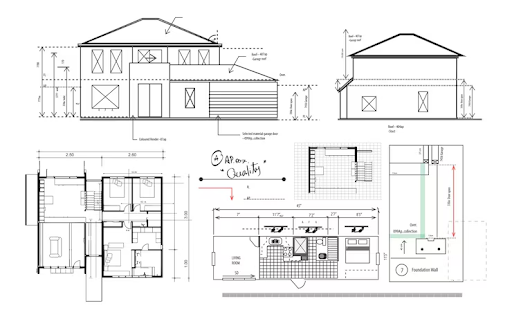

A kitchen renovation is one of the most valuable upgrades you can make to your home. The kitchen is not only a place to cook but also a space where families gather, meals are shared, and daily life happens. Whether your kitchen feels outdated, lacks storage, or no longer fits your lifestyle, a well-planned renovation can improve both functionality and home value. This guide explains everything homeowners need to know before starting a kitchen renovation.
Why Homeowners Renovate Their Kitchens
Many homeowners choose to renovate their kitchens to improve comfort, efficiency, and appearance. Older kitchens may have worn cabinets, poor lighting, or outdated appliances that use more energy. A renovation allows you to modernize the space, improve workflow, and create a layout that better suits your cooking and entertaining needs. Kitchen renovations also offer one of the highest returns on investment when selling a home.
Planning Your Kitchen Renovation
Proper planning is the foundation of a successful kitchen renovation. Start by identifying what you want to change and why. Do you need more storage, better lighting, or updated appliances? Make a list of must-have features and nice-to-have upgrades.
Next, measure your kitchen carefully and consider how you use the space daily. Think about the kitchen work triangle—the relationship between the sink, stove, and refrigerator—to ensure efficient movement. Setting clear goals early helps avoid costly changes later in the project.
Setting a Realistic Budget
Budgeting is one of the most important steps in kitchen renovation planning. Costs can vary widely depending on the size of the kitchen, materials used, and labor required. Typical expenses include cabinets, countertops, appliances, flooring, lighting, plumbing, and electrical work.
It is wise to set aside 10–15% of your budget for unexpected costs, such as hidden water damage or outdated wiring. Prioritize spending on elements that impact daily use, such as quality cabinets and durable countertops, while saving on decorative features if needed.
Choosing the Right Kitchen Layout
The layout of your kitchen affects how functional and comfortable it feels. Common kitchen layouts include galley, L-shaped, U-shaped, and open-plan kitchens. Each layout has its own benefits depending on available space and household needs.
For smaller kitchens, smart storage solutions and compact appliances can maximize space. Open layouts work well for entertaining and allow better flow between rooms. Always consider how many people use the kitchen and how often you cook when choosing a layout.
Selecting Cabinets, Countertops, and Materials
Cabinets are often the most visible and expensive part of a kitchen renovation. Choose materials that are durable, easy to clean, and match your home’s style. Solid wood, plywood, and high-quality engineered materials are popular choices.
Countertops should balance appearance with durability. Common options include granite, quartz, marble, and laminate. Flooring materials such as tile, vinyl, and hardwood should be water-resistant and easy to maintain. Selecting practical materials ensures your kitchen stays beautiful for years.
Lighting and Appliances
Good lighting improves both safety and atmosphere in the kitchen. A combination of task lighting, ambient lighting, and accent lighting works best. Under-cabinet lights help with food preparation, while ceiling lights provide overall brightness.
Modern appliances can improve energy efficiency and convenience. When choosing appliances, consider size, features, and energy ratings. Built-in or smart appliances may cost more upfront but can save money over time through reduced energy use.
Hiring Professionals vs. DIY
Some parts of a kitchen renovation can be done by homeowners, such as painting or installing hardware. However, electrical work, plumbing, and structural changes should always be handled by licensed professionals. Hiring experienced contractors helps ensure safety, quality, and compliance with building codes.
Before hiring, get multiple quotes, check references, and review previous work. Clear communication with your contractor helps prevent misunderstandings and keeps the project on schedule.
Timeline and Final Inspection
A typical kitchen renovation can take several weeks to a few months, depending on complexity. Planning for temporary cooking arrangements during the renovation will reduce stress. Once the work is complete, inspect everything carefully to ensure it meets your expectations.
Final Thoughts
A kitchen renovation is a major project, but with careful planning and informed decisions, homeowners can achieve a space that is both functional and beautiful. By setting a clear budget, choosing the right layout and materials, and working with professionals, you can create a kitchen that adds long-term value and comfort to your home.