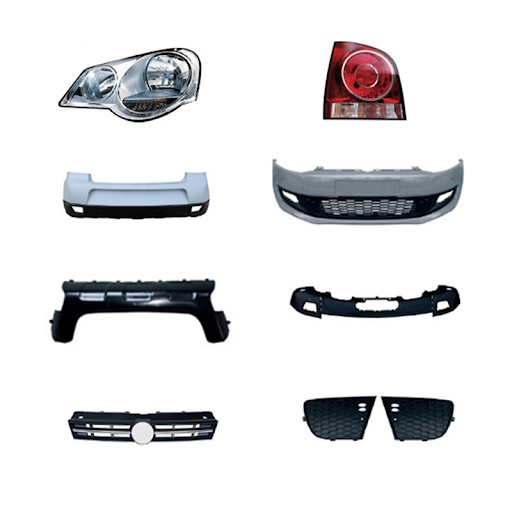

Modern automotive ecosystems depend on highly coordinated supply chains that connect manufacturers, distributors, wholesalers, and end users through layered commercial channels. In Sharjah, this coordination becomes particularly significant due to the city’s position within the UAE’s broader automotive trade corridor. European vehicles, especially Mercedes-Benz models, require specialized aftermarket components that must move through structured procurement and distribution networks to ensure availability, compatibility, and performance continuity.
These networks operate through multi-tier distribution models involving importers, inventory consolidators, and regional distributors who ensure parts reach workshops and commercial buyers efficiently. Within this structure, the role of a Mercedes aftermarket parts wholesaler becomes central to maintaining consistent inventory flow, enabling reliable part availability across model generations. This layered architecture reduces supply friction while enabling Sharjah to function as a stable hub within the global aftermarket ecosystem.
Structural Foundations of Automotive Aftermarket Supply Networks
Automotive aftermarket supply chains rely on clearly defined structural hierarchies that separate sourcing, consolidation, and redistribution functions across different commercial participants. At the foundational level, global manufacturing hubs produce aftermarket components, which are then routed through import channels into regional distribution centers. These centers act as aggregation points, ensuring consistent supply continuity for geographically concentrated markets such as Sharjah.
Once components enter regional circulation, distribution frameworks prioritize inventory accessibility and logistical efficiency. Commercial distributors maintain structured inventory systems to support workshops, retailers, and fleet operators requiring consistent component availability. This structural alignment enables aftermarket ecosystems to sustain operational reliability, especially for vehicles that require precise engineering compatibility such as Mercedes-Benz models.
Regional Trade Positioning and Logistics Integration in Sharjah
Sharjah occupies a strategic logistical position within the UAE due to its proximity to major ports, free zones, and industrial areas that facilitate automotive trade. This geographic positioning allows aftermarket components to enter regional markets efficiently, reducing delays while maintaining high inventory turnover. The city’s infrastructure supports the seamless movement of automotive parts between import channels, distribution centers, and local buyers.
Logistics integration further enhances supply chain resilience by combining warehousing, inventory monitoring, and redistribution processes within coordinated commercial frameworks. These integrated systems ensure that aftermarket parts remain accessible across multiple vehicle segments, including luxury and performance-oriented European vehicles. As a result, Sharjah continues to function as a reliable distribution node within broader Middle Eastern automotive supply systems.
Inventory Consolidation and Storage Mechanisms
Inventory consolidation represents a critical stage in aftermarket supply chains, where components from multiple manufacturers are centralized within structured warehousing systems. This process allows distributors to maintain comprehensive part coverage across various Mercedes-Benz model lines, including sedans, SUVs, and performance variants. Consolidation reduces procurement fragmentation while improving distribution efficiency across regional markets.
Cross-Border Procurement and Import Channels
Cross-border procurement forms the backbone of automotive aftermarket distribution in Sharjah, enabling access to global manufacturing centers that specialize in Mercedes-compatible components. Import channels are structured to ensure regulatory compliance, logistical efficiency, and consistent component flow into regional markets. This procurement architecture ensures continuous supply availability regardless of fluctuations in local demand patterns.
Demand Forecasting and Supply Chain Responsiveness
Demand forecasting enables distributors to anticipate future part requirements based on vehicle population trends, service frequency patterns, and replacement cycles. Predictive inventory models reduce stock shortages while ensuring sufficient availability of high-demand components. These forecasting systems play a critical role in maintaining supply chain balance within luxury vehicle aftermarket ecosystems.
Channel Intermediaries and Commercial Distribution Dynamics
Channel intermediaries function as critical connectors between global suppliers and localized automotive markets. These intermediaries include importers, wholesalers, and distribution firms that maintain inventory continuity while ensuring consistent component accessibility. Their role reduces logistical fragmentation while enabling structured redistribution across regional markets.
Commercial distribution dynamics are shaped by inventory specialization, where distributors focus on specific vehicle categories such as European luxury brands. This specialization ensures deeper inventory coverage, improving part availability across multiple vehicle platforms. Such channel structuring enhances supply chain stability while supporting long-term automotive maintenance ecosystems.
Distributor-Retailer Relationship Structuring
Distributor-retailer relationships form the final operational link in aftermarket supply chains, ensuring components reach workshops and commercial buyers efficiently. These relationships depend on structured procurement agreements, inventory coordination, and consistent communication channels. Effective coordination reduces procurement delays while enhancing overall supply continuity.
Multi-Model Compatibility and Inventory Coverage
Aftermarket supply chains prioritize compatibility coverage across multiple Mercedes-Benz model generations, ensuring parts remain accessible even as vehicles age. Distributors maintain diversified inventory portfolios that address both current and legacy vehicle platforms. This coverage ensures long-term vehicle operability without reliance on limited manufacturer-controlled supply channels.
Regional Redistribution and Commercial Flow Optimization
Regional redistribution enables aftermarket components to move efficiently between warehouses, distributors, and retailers based on real-time demand patterns. Redistribution frameworks optimize inventory positioning, ensuring high-demand components remain accessible in high-activity commercial zones such as Sharjah.
Supply Chain Stability and Long-Term Automotive Support
Supply chain stability plays a defining role in sustaining aftermarket ecosystems over extended operational periods. Stable supply chains ensure that essential vehicle components remain accessible regardless of fluctuations in production cycles or regional demand variations. This stability enables consistent maintenance and repair capabilities for vehicles requiring specialized engineering compatibility.
Long-term automotive support depends on sustained coordination between sourcing networks, inventory systems, and distribution channels. These interconnected frameworks ensure that aftermarket ecosystems remain functional, supporting vehicle longevity while maintaining operational continuity across commercial automotive environments.
Final Thoughts on Distribution Continuity and Market Participants
The aftermarket supply chain ecosystem in Sharjah reflects a highly coordinated commercial structure designed to ensure the uninterrupted availability of specialized automotive components. This ecosystem integrates sourcing channels, logistics networks, inventory systems, and redistribution frameworks into a unified operational model. Such coordination enables reliable aftermarket access across diverse vehicle categories, including high-precision European automotive platforms.
Within this structured environment, established participants such as Beta Auto Spare Parts contribute to distribution continuity by maintaining inventory coverage, supporting multi-model compatibility, and facilitating efficient redistribution across regional markets. Their operational role reflects the broader function of a Mercedes aftermarket parts dealer in Sharjah, ensuring consistent component accessibility while reinforcing Sharjah’s position as a reliable automotive aftermarket supply hub.