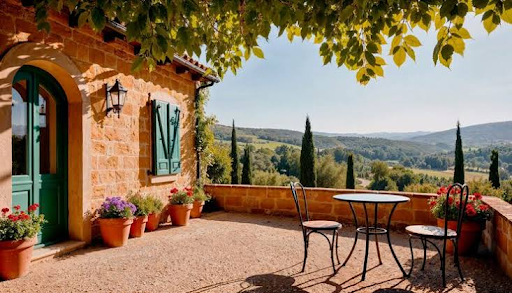
The space between garden zones, the threshold between outdoor rooms, and the entry to a garden path are all transformed by a well-designed overhead structure. Custom timber arbors create architectural presence at garden transitions—framing views, supporting climbing plants, defining entrances, and adding vertical dimension to landscapes that might otherwise feel flat or undefined. Understanding how timber frame arbors are designed, built, and integrated into residential landscapes helps homeowners create outdoor environments of real depth and character.
What Is a Timber Arbor?
An arbor is a lightweight overhead garden structure—typically an arch or a simple square overhead frame—designed primarily to support climbing plants and provide a sense of passage or threshold in the landscape. Timber arbors use solid wood posts and overhead members, creating structures with natural warmth and appropriate material character for garden settings.
Timber frame arbors apply heavy timber construction principles to arbor design, producing structures of greater scale, structural confidence, and architectural presence than typical light-frame garden arbors. These are permanent outdoor timber structures rather than seasonal or decorative elements.
How Arbors Function in the Landscape
Entry and Threshold Definition Positioning an arbor at a gate, garden entrance, or transition between outdoor spaces creates an architectural threshold that signals transition—telling visitors they are entering a defined space. This adds spatial sophistication to gardens of any scale.
Vertical Plant Structure Climbing roses, wisteria, clematis, hops, honeysuckle, and many other climbing plants require robust, permanent structure for long-term growth. Timber arbors provide the scale, strength, and longevity appropriate for large, mature climbing specimens that would overwhelm lighter structures.
View Framing Strategic arbor placement frames distant views or garden features, creating visual experiences that emerge as visitors approach and pass through the structure. This is a classic landscape design technique that relies on architectural elements to direct attention.
Privacy and Screening Arbors covered with dense climbing plants or fitted with lattice panels provide screening from adjacent properties or undesirable sight lines within the garden.
Pathway Definition A series of arbors or a continuous arbor tunnel over a garden path creates an immersive covered garden experience that rewards the journey through the landscape.
Timber Frame Arbors vs. Light-Frame Alternatives
Most garden arbors are constructed from 4″x4″ lumber, prefabricated metal, or vinyl. Timber frame arbors differ in:
- Post dimensions: 6″x6″ minimum, often 8″x8″ for larger structures
- Overhead beam sizing: Proportionally sized to support the structural and plant loads of mature climbing specimens
- Joinery: Precision-cut connections rather than hardware-heavy light-frame construction
- Longevity: Decades of service vs. typical 10–15-year lifespan of light-frame garden arbors
Custom Outdoor Design Consultation
A custom outdoor design consultation for timber arbors covers:
Site Assessment Understanding the specific location’s soil conditions, sun exposure, wind exposure, and sight lines. Post foundation design depends on frost depth and local soil conditions—particularly important for permanent outdoor timber structures.
Proportioning and Scale Arbor dimensions must relate proportionally to the surrounding landscape elements—adjacent fencing, plant heights, and the scale of the garden as a whole. Experienced designers calibrate these relationships through the design consultation process.
Style Alignment Arbor details—post profiles, overhead beam end treatments, lattice patterns, and finish selections—reflect the garden’s overall style. A formal English-style garden calls for different detailing than a naturalistic Pacific Northwest landscape.
Plant Integration Planning Which climbing plants will grow on the arbor affects the structure’s design: heavy specimens like mature wisteria exert significant forces and require more robust structural design than lighter annual climbers.
Timber Arbor Installation Planning Post hole diameter and depth, concrete or helical pier foundations, and hardware selection for the specific site are determined during the design process. Timber arbor installation by experienced craftspeople ensures proper foundation depth for local frost conditions and structural connection quality.
Material and Finish Considerations
Species Selection Western Red Cedar’s natural rot resistance and aromatics make it ideal for permanent garden structures. Douglas Fir provides strength at competitive cost. Thermally modified timber offers enhanced durability with a distinctive warm appearance.
Finish Options Natural cedar grays beautifully without finish treatment. Penetrating oils in various tones extend color life. Paint is appropriate for formal architectural contexts.
Conclusion
Custom timber arbors are among the most versatile and cost-effective permanent outdoor timber structures available to landscape-conscious homeowners. Timber frame arbors create threshold experiences, support majestic climbing plants, and add architectural depth to garden environments—all while aging gracefully over decades of service. A thoughtful custom outdoor design consultation ensures each arbor is scaled, detailed, and positioned to maximize its contribution to the landscape’s character and long-term beauty.