Electrical networks in commercial, residential, and industrial projects require robust protection to ensure safety, reliability, and long-term performance. Proper containment systems shield wiring from mechanical damage, moisture, chemicals, and environmental stress, preventing costly failures and hazards. High-quality PVC conduit pipe fittings play a critical role in maintaining secure cable routing while supporting efficient installation across diverse applications.
Core Functions of Conduit Protection Systems
PVC conduit systems are engineered to safeguard electrical wiring while maintaining flexibility for complex layouts. These systems not only protect cables but also contribute to overall network stability and maintenance efficiency.
- Mechanical Protection
Conduits shield cables from physical impacts, abrasion, and accidental damage during construction or operation. This protection is essential in industrial environments where heavy equipment and movement pose risks to exposed wiring. Durable materials ensure long service life even under demanding conditions. - Environmental Resistance
PVC conduits resist moisture, corrosion, and many chemicals, making them suitable for indoor and outdoor installations. They prevent water ingress and contamination that could compromise insulation. This capability is especially valuable in coastal or humid regions. - Organized Cable Management
Structured routing through conduits keeps wiring neat and accessible for maintenance. Organized systems reduce troubleshooting time and simplify upgrades or expansions. Clear pathways also improve safety by minimizing tangled or exposed cables.
Protection Against External Environmental Factors
PVC conduit systems are specifically engineered to shield electrical wiring from harsh environmental conditions that could compromise safety and performance. Whether installed underground, outdoors, or in industrial settings, these systems act as a protective barrier against moisture, dust, chemicals, and temperature variations. Their resilience ensures uninterrupted electrical operation even in challenging environments.
- Moisture and Water Resistance
PVC conduits prevent water infiltration that could damage insulation or cause short circuits. This protection is vital in underground installations, basements, and outdoor applications exposed to rain. By keeping cables dry, the system maintains electrical reliability and reduces the risk of failures. - Chemical and Corrosion Protection
Industrial environments often contain corrosive substances that can degrade metal components. PVC materials resist many chemicals, oils, and solvents, preserving structural integrity over time. This resistance ensures long-term durability without the need for frequent replacements. - Dust and Debris Shielding
Enclosed conduit pathways prevent dust accumulation and foreign particles from contacting cables. This is especially important in construction sites, factories, and high-traffic areas. Clean cable environments improve performance and simplify maintenance procedures.
Installation Efficiency and System Flexibility
Effective conduit solutions are designed to simplify installation while accommodating future modifications. A well-planned system reduces labor costs and supports scalable infrastructure development.
- Lightweight Handling
PVC conduits are easy to transport and install due to their low weight compared to metal alternatives. This reduces installation time and minimizes the need for heavy equipment. Faster deployment supports tight project schedules. - Adaptability to Complex Layouts
Flexible fittings allow routing around obstacles and through confined spaces. Installers can create efficient pathways without compromising structural integrity. This adaptability is vital in retrofitting projects or dense utility corridors. - Secure Connections
Reliable jointing methods ensure watertight and dust-resistant connections. Components such as PVC conduit adaptors UAE help integrate conduits with junction boxes and equipment, maintaining continuity throughout the system. Proper connections prevent cable exposure and mechanical stress.
Durability and Long-Term Performance
Selecting high-quality components is essential for systems expected to operate reliably for decades. Superior materials and manufacturing standards directly influence performance outcomes.
- Corrosion-Free Operation
Unlike metal conduits, PVC does not rust or degrade when exposed to moisture or soil. This makes it ideal for underground installations and harsh industrial environments. Reduced corrosion lowers maintenance requirements over time. - Thermal Stability
Quality PVC materials can withstand a wide temperature range without significant deformation. This ensures consistent performance in both hot climates and air-conditioned interiors. Stable conduits protect insulation integrity and electrical safety. - Low Maintenance Needs
Durable construction minimizes the likelihood of cracks, leaks, or structural failure. Reduced maintenance demands translate into lower lifecycle costs. Facilities benefit from uninterrupted operations and predictable performance.
Enhancing Safety and Compliance
Electrical safety regulations emphasize proper cable containment to prevent accidents and system failures. Conduit systems support compliance while improving operational reliability.
- Fire Safety Considerations
PVC conduits can be manufactured with flame-retardant properties that limit fire spread. Proper containment prevents sparks or overheated cables from igniting surrounding materials. This feature is crucial in high-occupancy buildings. - Protection Against Electrical Hazards
Insulated conduit pathways reduce the risk of accidental contact with live wires. Enclosed systems protect maintenance personnel and building occupants alike. Enhanced safety measures also reduce liability risks. - Standards Compliance
High-quality conduit systems are designed to meet international electrical codes and specifications. Compliance ensures compatibility with inspection requirements and insurance standards. Projects benefit from smoother approvals and long-term reliability.
Integration with Modern Infrastructure
As buildings become smarter and more connected, electrical networks must support advanced technologies while remaining easy to maintain. Properly designed conduit systems enable seamless integration of power and data lines.
- Support for Expanding Networks
Additional cables can be pulled through existing conduits without major structural modifications. This scalability accommodates future upgrades such as automation systems or communication networks. Infrastructure remains adaptable to evolving needs. - Compatibility with Equipment Interfaces
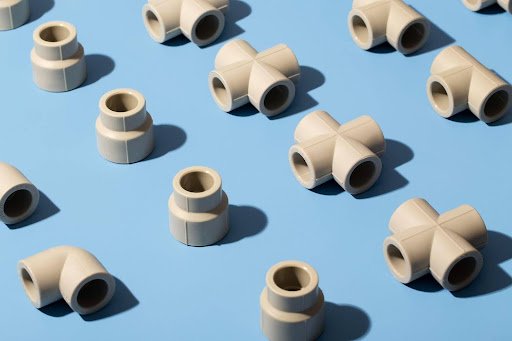
Reliable interfaces between conduits, panels, and devices are essential to prevent gaps that could expose cables to environmental damage. Consistent connectivity enhances overall system integrity and supports long-term electrical performance. In this context, components like PVC conduit pipe fittings play a crucial role in creating secure, durable transitions throughout the network. - Clean Aesthetic and Space Efficiency
Concealed conduit routing maintains a tidy appearance in commercial and residential spaces. Efficient use of wall and ceiling cavities preserves usable space. Organized installations contribute to professional project outcomes.
Conclusion
Reliable conduit systems are essential for safeguarding electrical networks, ensuring durability, safety, and long-term operational efficiency across residential, commercial, and industrial environments. Incorporating high-quality components such as PVC conduit adaptors UAE enhances system integrity by providing secure connections and dependable performance even in demanding conditions. Backed by decades of engineering excellence and a reputation for delivering premium building solutions, Faisal Jassim Group stands out as a trusted industry leader, offering robust, standards-compliant products designed to meet complex project requirements. Their commitment to quality, innovation, and customer support makes them a preferred partner for organizations seeking dependable electrical infrastructure solutions that perform consistently over time.