Maintaining your water heater is crucial for ensuring that it operates efficiently and lasts for its intended lifespan. While it might seem like a straightforward task, improper maintenance can lead to inefficiency, higher energy bills, and even unexpected breakdowns. In this beginner’s guide, we’ll explore the essential steps to keep your water heater in top shape, helping you avoid common pitfalls and maximize its performance.
One important aspect that often goes unnoticed is the role of professional services. While some maintenance tasks can be performed by homeowners, enlisting the help of expert water heater maintenance in Simi Valley CA can ensure thorough inspections and timely interventions when necessary. This professional assistance can be especially valuable in identifying issues that may not be apparent to those without technical expertise.
Understanding Water Heater Basics
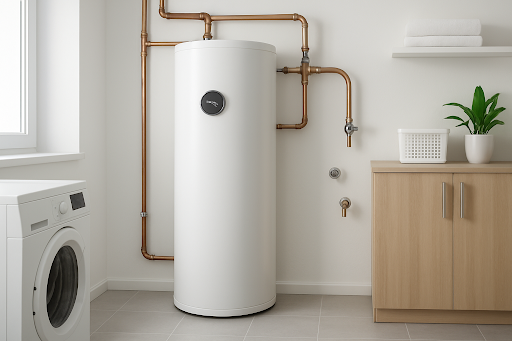
Before diving into maintenance tasks, it’s essential to understand the basic components and functions of your water heater. Most residential water heaters are either tank-based or tankless. Tank-based heaters store and heat a large volume of water, while tankless models heat water on demand.
Key components include the thermostat, heating elements, and anode rod. The thermostat regulates water temperature, heating elements warm the water, and the anode rod prevents tank corrosion. Familiarizing yourself with these components will help you perform routine checks more effectively.
Regular Checks and Adjustments
Routine maintenance begins with regular checks and adjustments. Here’s what you need to do:
- Inspect the Pressure Relief Valve: This valve prevents excess pressure from building up inside the tank. Test it annually by lifting the valve’s lever and allowing it to snap back. If water flows out, it’s working correctly.
- Check the Anode Rod: The anode rod protects the tank from rusting by attracting corrosive elements. Inspect it every three years. If it’s less than half an inch thick or coated with calcium, replace it.
- Set the Thermostat to 120 Degrees: Keeping the thermostat at 120 degrees Fahrenheit not only prevents overheating but also saves energy.
- Drain the Tank: To remove sediment buildup, drain your tank annually. Turn off the water supply, attach a hose to the drain valve, and flush out water until it runs clear.
Tankless Water Heater Maintenance
For those with tankless systems, maintenance is slightly different but equally important:
- Descale the System: Mineral deposits can accumulate even in tankless heaters. Descale the system annually using a vinegar solution or a specialized descaling kit.
- Clean the Inlet Filter: The inlet filter can become clogged with debris. Regularly remove and rinse it under running water.
Common Mistakes to Avoid
When maintaining your water heater, avoid these common mistakes:
- Ignoring Strange Noises: Popping or banging sounds can indicate sediment buildup. Address this by flushing the tank.
- Neglecting Regular Inspections: Skipping annual inspections can lead to undetected issues and costly repairs.
- DIY Repairs Without Knowledge: While some tasks can be done independently, complex issues should be handled by professionals to prevent further damage.
Benefits of Professional Maintenance
Hiring professional services for water heater maintenance offers several advantages:
- Comprehensive Inspections: Professionals provide thorough inspections, identifying potential issues before they become major problems.
- Expert Repairs: Skilled technicians can perform repairs accurately, ensuring system longevity.
- Safety Assurance: Handling water heaters involves risks, including gas leaks or electric shocks. Professionals ensure safety during maintenance and repairs.
Signs It’s Time to Replace Your Water Heater
Eventually, even with the best maintenance, your water heater will need replacement. Look for these signs:
- Age: Most water heaters last 8-12 years. If yours is older, consider a replacement.
- Frequent Repairs: Constant repairs indicate a failing system.
- Rusty Water: Rusty or discolored water can signal tank corrosion.
- Inefficiency: Rising energy bills despite regular maintenance suggest decreased efficiency.
Conclusion
Maintaining your water heater is a blend of regular checks, professional assistance, and understanding when replacement is necessary. By following these guidelines, you can ensure that your water heater remains efficient and reliable, providing hot water without interruption. Remember, while some tasks can be easily performed at home, professional maintenance services in Simi Valley, CA, play a critical role in extending the life of your water heater and preventing unexpected breakdowns.