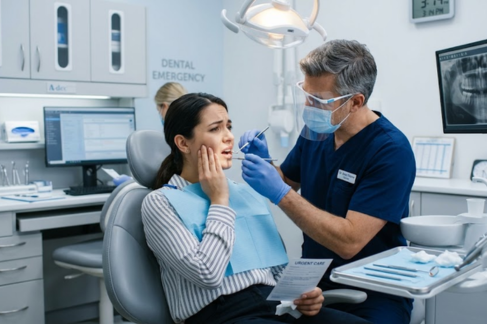
Dental problems don’t always follow a schedule. While some issues can wait for a routine appointment, others require immediate attention to prevent severe pain, infection, or permanent damage. Knowing which conditions qualify as dental emergencies helps you act quickly and protect your oral health.
Below are the most common dental emergencies that typically require same-day treatment and why timely care is so important.
1. Severe Toothache or Persistent Dental Pain
A toothache is one of the most common reasons people seek emergency dental care. However, not all tooth pain is the same. Mild sensitivity may not be urgent, but severe, throbbing, or persistent pain often signals a deeper problem.
Possible causes include:
- Tooth decay reaching the inner pulp
- Infection or abscess
- Cracked or damaged tooth
- Gum infection
When pain becomes intense or does not subside with over-the-counter medication, it may indicate nerve involvement or infection. Delaying treatment can allow the condition to worsen, potentially leading to tooth loss or the spread of infection.
2. Knocked-Out Tooth (Avulsed Tooth)
A completely knocked-out tooth is a true dental emergency where time is critical. If handled correctly and treated quickly, there is a chance the tooth can be reinserted and saved.
Immediate steps include:
- Pick up the tooth by the crown (not the root)
- Gently rinse it if dirty (do not scrub)
- Try to place it back in the socket if possible
- Keep it in milk or saliva if reinsertion isn’t possible
- Seek dental care within 30–60 minutes
The sooner a dentist evaluates the tooth, the higher the chances of successful reattachment.
3. Broken, Cracked, or Fractured Teeth
Teeth can crack or break due to trauma, biting hard foods, teeth grinding, or underlying decay. Some fractures may be minor, while others expose the inner dentin or pulp, causing pain and sensitivity.
Warning signs:
- Sharp pain when biting or chewing
- Sensitivity to hot or cold
- Visible crack or missing tooth piece
- Swelling around the affected area
Even small cracks can worsen over time, so immediate evaluation is important to prevent further structural damage or infection.
4. Dental Abscess or Infection
A dental abscess is a pocket of pus caused by a bacterial infection. It is one of the most serious dental emergencies because the infection can spread to surrounding tissues, jawbone, or even other parts of the body if left untreated.
Symptoms include:
- Severe, constant throbbing pain
- Swelling in the face or gums
- Fever or general illness
- Bad taste or odor in the mouth
- Pimple-like swelling on gums
An abscess will not heal on its own. Emergency treatment typically involves draining the infection and prescribing antibiotics, followed by root canal therapy or extraction if necessary.
5. Lost or Damaged Dental Filling or Crown
Fillings and crowns protect weakened teeth. When they fall out or break, the exposed tooth becomes vulnerable to sensitivity, decay, and further damage.
Common signs:
- Sudden sensitivity to temperature or pressure
- Rough or sharp edges in the mouth
- Visible missing restoration
While not always painful initially, delayed treatment can lead to more serious complications, including fractures or infection of the exposed tooth.
6. Uncontrolled Bleeding from Gums or Mouth
Bleeding that does not stop after injury, tooth extraction, or trauma requires immediate dental attention. While minor bleeding can be normal after certain procedures, persistent or heavy bleeding is a concern.
Possible causes:
- Gum disease
- Trauma to soft tissues
- Post-surgical complications
- Underlying health conditions
Applying gentle pressure with gauze may help temporarily, but professional care is essential if bleeding continues.
7. Swelling in the Face or Jaw
Facial or jaw swelling is often a sign of infection or trauma. It may develop gradually or appear suddenly and is frequently associated with pain or fever.
Swelling can indicate:
- Dental abscess
- Impacted tooth infection (such as wisdom teeth)
- Advanced gum disease
Because swelling can spread quickly and sometimes affect breathing or swallowing, it should always be treated as urgent.
8. Loose or Dislodged Teeth in Adults
Unlike children, adult teeth should never feel loose. If a permanent tooth becomes loose due to injury or infection, immediate evaluation is necessary.
Causes may include:
- Trauma or accident
- Advanced periodontal disease
- Severe infection
Early intervention can sometimes stabilize the tooth and prevent loss.
Why Same-Day Treatment Matters
Dental emergencies often worsen rapidly if left untreated. Delays can lead to:
- Increased pain and swelling
- Permanent tooth loss
- Spread of infection
- More complex and expensive procedures later
Same-day dental care focuses on stabilizing the problem, relieving pain, and preventing further damage.
What to Do in a Dental Emergency
While waiting for professional care, you can take a few steps:
- Rinse the mouth gently with warm salt water
- Apply a cold compress for swelling
- Avoid chewing on the affected side
- Take over-the-counter pain relief if needed
- Preserve any broken tooth fragments
However, these are only temporary measures. Visiting a professional emergency dentist in Fort Worth, TX, is always necessary.
Final Thoughts
Dental emergencies can be stressful and painful, but prompt action makes a significant difference in outcomes. Recognizing symptoms early and seeking same-day treatment can often save teeth, prevent complications, and restore comfort quickly.
If you experience severe pain, trauma, swelling, or any sudden changes in your oral health, don’t delay—immediate dental attention is the safest choice.