Bolting may seem to be an easy job, but ensuring the right amount of torque on big bolts using conventional manual tools is not easy. In sectors like power generation, oil & gas, petrochemicals, steel, and heavy engineering sectors, even a minor mistake in bolting can cause problems with the efficiency of the equipment.
This is the reason that specialized bolting tools are used in industrial sectors. It all depends upon the size of the bolt, torque required, space available, and nature of the job at hand.
When Do You Need a Bolt Tightening Machine?
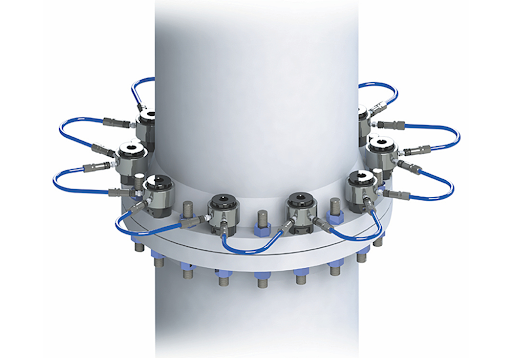
The use of a bolt tightening machine becomes imperative where regular wrenches cannot be used. Heavy machinery such as large flanges, pressure vessels, turbines, piping, and many other such pieces of equipment may call for controlled and repeatable tightening processes.
Unlike the use of sheer physical strength, the use of such machines allows the use of torque in a controlled and consistent manner, especially when multiple bolts need to be tightened to the same specifications.
The advantage that maintenance crews have from using the machines is that, apart from accuracy, they save them effort and time.
Is a Torque Multiplier a Better Choice?
This does not mean that every job requires the use of a power tool. There are situations where using a torque multiplier near me might be the better choice, especially if there is no power source available.
A torque multiplier will magnify the torque applied by the user, making the job of dealing with high-torque bolts a lot easier than with manual effort. It can come in handy in situations involving maintenance where mobility and ease of use are necessary considerations.
Prior to selection, you have to ensure that the tool is suitable for your torque range, drive size, reaction system, and the space surrounding the bolt.
What Should You Check Before Buying an Industrial Bolting Tool?
Begin with your job rather than the tool. Consider what fasteners you work with on an everyday basis and where you will use the equipment.
Some things that could be worth considering are:
- Torque/tension requirements
- Sizes of the bolts/nuts used
- Usage frequency
- Amount of working area
- Electric/hydraulic/manual operation suitability
Accuracy and calibration features could be worth looking into for crucial tasks. The tool needs to give accurate readings throughout its lifetime and not only when it is new.
How Does the Right Tool Improve Maintenance Work?
Proper bolting tools can certainly do a lot in terms of installation and maintenance. With the correct application of the fasteners, there is a lesser chance of encountering any problem because of improperly done tightening.
This would also mean that the technicians will be doing their job more systematically. They would not need to rely too much on physical strength but use the appropriate tool depending on the necessary torque and condition.
Conclusion
There is not a one-size-fits-all bolt tightening machine that works perfectly in every condition. For example, the electric torque tightener could prove perfect for harsh production/maintenance applications, while a manually operated torque wrench would be the way to go when portability takes precedence.
For industrial bolting purposes, the POWERMASTER Ltd. range of products offers tailor-made solutions suited for harsh conditions, thus helping users choose equipment based on their needs rather than the sheer size of the tool at hand.