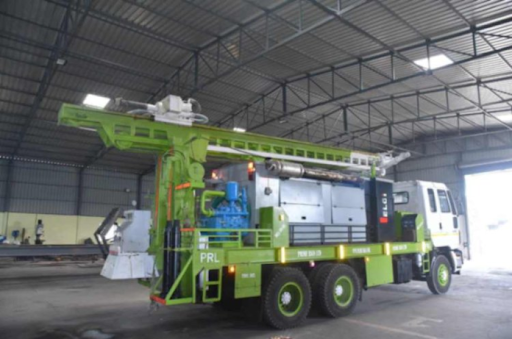
Borehole projects can involve different depths, ground conditions, drilling methods, and site requirements. Choosing suitable equipment therefore starts with understanding the types of borehole drilling machines available and how each design supports a particular application. From water well development to construction and geological work, drilling equipment is selected according to the formation, required hole size, mobility, and project objectives.
Water Well Drilling Machines
Water well rigs are designed for creating boreholes used to access underground water. These machines may support rotary drilling, down-the-hole drilling, or combinations of methods. Their applications include domestic water wells, agricultural wells, and other projects where reliable borehole construction is required. Mobile configurations can help operators move equipment between drilling locations.
DTH Drilling Rigs
Down-the-hole drilling uses a hammer positioned close to the drill bit, making it suitable for harder rock formations. DTH equipment is commonly considered for water wells, mining, and blast-hole applications. The method can provide effective penetration in rock while maintaining the required borehole diameter. Machine selection depends on factors such as drilling depth, formation hardness, compressor requirements, and site accessibility.
Rotary Drilling Machines
Rotary systems work by rotating the drill string and bit through the formation. They can be used where soil, softer formations, or mixed ground conditions require a different drilling approach. A drilling rig machine using rotary methods may be configured for water wells, construction-related drilling, or geological applications. The appropriate setup depends on the formation and the project’s depth and diameter requirements.
Truck-Mounted Drilling Rigs
Truck-mounted rigs combine drilling equipment with a vehicle platform, making them practical for projects where mobility between locations is important. They can be useful for water well drilling and other field operations that involve multiple sites. Their configuration can reduce the need for separate transportation arrangements and support quicker movement across accessible terrain.
Tractor-Mounted and Portable Rigs
Tractor-mounted drilling equipment can be suitable for agricultural and water-related drilling where sites require adaptable mobility. Portable rigs are another option when equipment needs to reach locations that may be difficult for larger machines to access. Their compact or transport-friendly designs can support borehole projects while allowing operators to consider site limitations.
Core Drilling Rigs
Core drilling rigs are used when retrieving cylindrical samples of subsurface material is important. They are relevant to geological exploration and investigations where understanding underground formations requires samples. Core drilling equipment is selected according to the required core size, drilling depth, formation, and investigation objectives.
How to Select the Right Machine
Selecting equipment requires more than comparing drilling depth. Contractors should consider ground conditions, hole diameter, required depth, drilling method, mobility, power availability, and the project environment. DTH systems may suit hard rock, while rotary or auger-based methods can be considered for other formations. Matching the machine to the site can support efficient drilling and consistent project operations.
Conclusion
Understanding the types of borehole drilling machines helps contractors and project planners compare equipment according to application, formation, mobility, and drilling requirements. Water well, DTH, rotary, truck-mounted, tractor-mounted, portable, and core drilling machines serve different purposes. Reviewing site conditions and project specifications before selection can help identify equipment suited to the intended borehole application.
For varied drilling projects, reliable equipment helps contractors address demanding site requirements efficiently. Prime Rigs offers equipment for water well, mining, construction, geological, and specialized applications. Its portfolio includes water well, refurbished, mining, blast-hole, construction, portable, core, and truck-mounted drilling rigs, along with accessories. These options support different drilling methods, applications, and operating conditions.