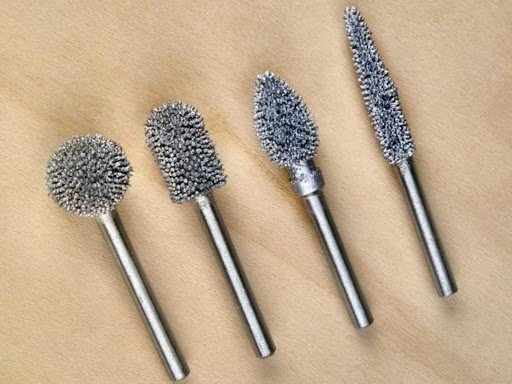
Wood carving is an enjoyable and creative hobby that allows individuals to shape and mold wood into beautiful pieces of art. However, using wood carving bits requires a high level of precision and care, as the tools involved can be sharp and powerful. Whether you’re a beginner or an experienced carver, understanding and following safety guidelines is essential to ensure a safe and successful carving experience. In this blog, we’ll explore important safety tips when using wood carving bits to protect yourself and produce your best work.
1. Wear Proper Safety Gear
One of the most critical aspects of wood carving is protecting yourself from potential injuries. Power wood carving bits, which are commonly used with rotary tools like Dremels, operate at high speeds and can cause significant harm if not handled correctly. Always wear protective gear, including:
- Safety Glasses: Wood chips and debris can fly during carving, and eye protection is essential to avoid injury.
- Hearing Protection: If you’re using loud power tools, earplugs or earmuffs can help protect your hearing from high-pitched noise.
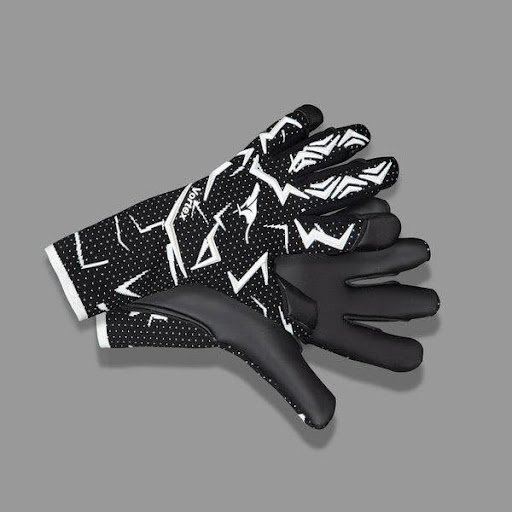
- Gloves: Choose gloves that provide a good grip but aren’t too bulky. However, be cautious, as some experienced carvers prefer not to wear gloves when using burrs for wood carving since they can reduce dexterity and increase the risk of catching the glove on the tool.
- Dust Mask: Wood dust can be harmful when inhaled, especially when carving materials like softwoods or exotic woods. A dust mask will help protect your lungs from particles.
2. Ensure the Tool is Properly Secured
Whether you’re using a rotary tool like a Dremel or another carving tool, it’s crucial to ensure that wood carving bits are securely attached before beginning any work. Loose or improperly attached bits can cause accidents, including the bit coming loose during carving, which could lead to injury or ruined work.
Before starting, double-check that your power wood carving bits are firmly fixed in place, and use the correct collet size for your tool. Additionally, make sure the tool itself is in good working condition and that there are no frayed wires or other signs of wear.
3. Work in a Well-Lit and Organized Space
A cluttered workspace can lead to accidents, especially when working with tools that require focus and precision. When using burrs for wood carving or power wood carving bits, ensure your work area is clean, well-lit, and organized. This will help you stay focused on the task at hand and reduce the risk of accidents.
Make sure your carving area is large enough to give you space to maneuver your tools comfortably. It’s also a good idea to have your carving materials and tools within easy reach so you can work efficiently without unnecessary distractions.
4. Maintain a Firm Grip and Control
One of the most important tips when using wood carving bits is to maintain a firm grip on your carving tool at all times. When using power wood carving bits, always keep both hands on the tool, and if possible, brace yourself with your body to help stabilize your movements. Carving involves intricate motions, and any sudden slips can lead to unintended cuts or damage to your work.
When using Dremel burrs or other small carving bits, practice controlled and gentle movements. Rushing through your carving can result in loss of control and injury, so it’s essential to carve slowly and carefully.
5. Follow the Correct Cutting Techniques
Understanding the right cutting technique for your project can not only improve the quality of your work but also help you stay safe. Always carve with the grain of the wood, as carving against the grain can cause the wood to splinter and increase the risk of the tool slipping unexpectedly.
Additionally, when using burrs for wood carving, make sure the rotation of the bit is going in the proper direction. Improper use of the tool, such as carving in the opposite direction of the bit’s rotation, can cause kickback, making the tool more difficult to control.
6. Never Force the Tool
If you feel resistance while carving, it’s important to stop and assess the situation. Forcing wood carving bits through tough wood can cause the bit to break or the tool to malfunction, potentially leading to injury. If the wood seems too tough or dense, consider switching to a different type of bit or a slower speed setting to reduce friction and pressure.
Likewise, avoid pushing the tool too hard into the wood. Let the power wood carving bits do the work, allowing the bit’s sharp edges to gradually shape the material. This will help you maintain control and reduce the risk of accidents.
7. Take Frequent Breaks
Carving can be an intensive activity that requires focus and precision. However, long periods of carving without breaks can lead to hand fatigue and reduce your ability to maintain a steady hand. Take regular breaks to rest your hands, stretch your arms, and give your mind a chance to recharge. This will help you stay sharp and reduce the chances of a slip or mistake.
8. Store Tools Safely When Not in Use
When you’re not using your wood carving bits, ensure they are safely stored away. Keep your power wood carving bits and other carving tools in a secure storage container or toolbox to avoid accidental contact. Always unplug your power tools when switching out bits to ensure the tool doesn’t accidentally turn on during a bit change.
Final Thoughts
Using wood carving bits is a rewarding and enjoyable craft, but safety must always be the top priority. By following these essential safety tips—such as wearing the proper protective gear, maintaining control over your tools, and working in a clean, organized space—you can ensure a safer and more productive carving experience.