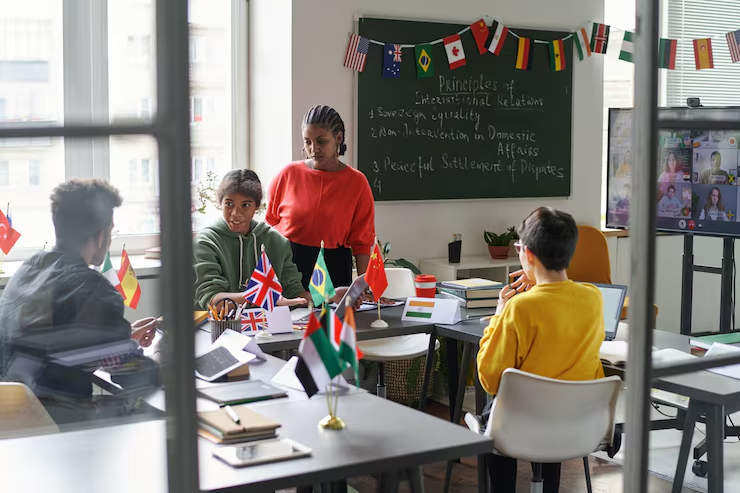

The IB Program is a challenging educational journey that pushes students intellectually. As learners finish secondary and PYP school, they will likely face more demands on time management and disciplined behaviour. This article offers practical techniques to help your kid navigate this transition, developing mental fortitude and independence. With your guidance and supervision, children can succeed in the IB program and gain the skills required for future success.
Fostering Academic Readiness and Independence:
Academic preparedness requires teaching your kid the necessary tools to succeed in their learning journey. Here are a few strategies that help make your kid’s transition smooth:
Establish Self-Directed Learning Habits:
Self-guided learning empowers your kid to take control of their schooling journey. Support independent inquiry, analytical thinking, and creative problem-solving skills. By nurturing curiosity and discipline, students gain the confidence to handle their learning and thrive in the IB Diploma.
Foster Effective Time Management Abilities:
Motivate your children to explore planners and organising tools to improve their time management abilities. To ensure balance and productivity, teach them to define priorities, break down goals into manageable portions, and schedule dedicated study and relaxation time.
Teach Accountability and Self-Motivation:
Setting specific goals and monitoring progress helps boost responsibility and self-motivation. Encourage kids to take accountability for their work, appreciate their accomplishments, and identify areas for growth. It cultivates a sense of commitment and pushes them to remain dedicated and motivated.
Boost Research and Problem-Solving Skills:
Build inquiry and creative thinking to help your children boost their research and problem-solving abilities. Let them explore varied sources, assess information, and navigate new challenges. Opportunities for hands-on projects and conversations help children build analytical and inquisitive skills.
Promoting Emotional Stability and Self-Discipline:
Teaching your child stress management practices and consistent habits helps them establish emotional stability and self-discipline. Here are a few strategies that allow your kids to ace their IB diploma journey:
Stress Management and Coping Mechanisms:
Provide your kids with successful stress management skills, like mindfulness, yoga and exercise. Encourage honest conversations about their emotions and propose methods to manage challenges. Teaching them these tactics enables them to handle the stresses of the IB program with resilience.
Open Communication and Emotional Clarity:
Parents should encourage their children to share their thoughts and emotions. Create a setting where they are respected and understood. It promotes emotional clarity, allowing students to handle stress and deal with problems more successfully during their IB journey.
Balance Academics and Life Outside School:
Boost your child’s participation in extracurricular pursuits and social events to let them manage their academic and personal interests. Help them establish boundaries between study and relaxation to protect their health and avoid burnout for long-term achievement and fulfillment.
Consistency and Concentration in Daily Life:
Routines and a study schedule help improve stability and focus in daily activities. Encourage your child to develop an organised atmosphere that minimizes distractions and promotes focused learning. It boosts productivity and instills disciplined behaviours for academic success.
Conclusion:
Helping your children transfer to the IB Diploma after studying at a PYP school requires balancing academic guidance and independence. Encourage positive study habits, time management, and mental resilience and offer continuous support. By encouraging responsibility and mental health, parents can equip them to face the difficulties of the IB Diploma, preparing them for academic and professional success.