Sarees offer more variety than almost any other wardrobe category, which can make shopping harder rather than easier. A beautiful fabric may feel too heavy for a long event, while a simple saree can become a favourite because it drapes quickly and works with several blouses.
Saree Fabric and Occasion Reference
| Style | Good For | Try It With |
| Cotton saree | Daytime and work | Simple blouses, flats |
| Georgette saree | Easy drape | Heels, fitted blouses |
| Silk saree | Weddings and events | Traditional jewellery |
| Plain saree | Flexible styling | Statement blouse or jewellery |
Choose Fabric for the Way You Drape
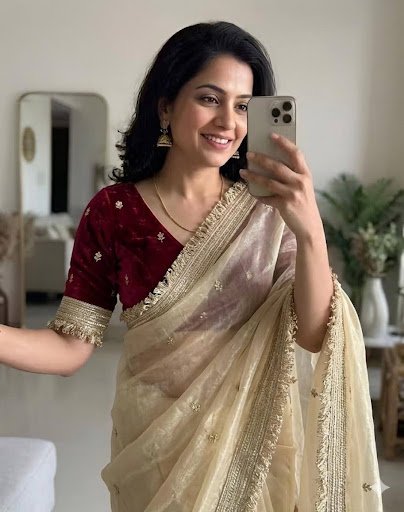
If you like a crisp pleat, structured cottons and some silks can work well. If you prefer a softer fall, lighter fabrics may feel easier. When looking at Vintage Sarees, remember that net can be sheer and often depends on lining, petticoat colour and blouse choice. Think through the complete drape rather than the saree alone.
Check Weight Before the Occasion
A saree can feel manageable in your hands and tiring after several hours. Borders, embroidery and layered fabric add weight. For long weddings or travel-heavy days, a lighter option may be more practical than a heavily embellished one.
Use the Blouse to Change the Mood
One saree can look completely different with a simple matching blouse, contrast colour or textured design. When considering saree for women, use the simplicity as an advantage. A plain saree can handle a stronger blouse, jewellery or bag without the outfit becoming crowded.
Look at Length, Width and Transparency
Standard sizing works for many people, but product details still matter. Check saree length, blouse-piece information and whether the fabric is transparent. These points affect petticoat choice, pleating and how much coverage you get.
Think About Storage and Care
Delicate embroidery, zari and fine fabrics need more careful storage than everyday cotton. Read the care instructions before buying. If a saree requires specialist cleaning and you plan to wear it often, factor that into the decision.
To Wrap Up
Buying a saree becomes easier when you start with fabric, weight, and draping comfort. Then use the blouse and accessories to create variety. The right saree is not simply the most decorative one; it is the one you can wear confidently for the full occasion. Before adding another option, compare it with something you already own and ask what new job it will actually do.
FAQs
- Which fabric is easiest for a first saree?
Georgette. It drapes well, creases very little, and forgives an inexperienced drape, though it needs pinning since it slips more than cotton.
- How long is a standard saree?
About five and a half metres, with six and a half metre versions for drapes needing more pleating. Check the listing rather than assuming.
- Should I get the blouse stitched?
Yes, in almost every case. It is the only fitted piece in the outfit, and a poor fit undermines the saree in every photograph.
- Why does my saree keep slipping?
Fabric and petticoat. Georgette slips naturally, and an elastic petticoat loosens where a firm drawstring holds the pleats in place.
- How should I store sarees?
Folded in muslin, never plastic, which traps humidity and tarnishes zari. Refold along different lines every few months.