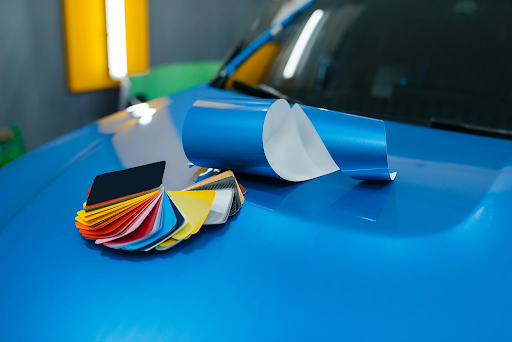
A fresh car wrap can completely change the way a vehicle looks. A plain white hatchback can become satin black, a silver sedan can get a bold new shade, and an older car can take on a surprisingly modern appearance. But before choosing a wrap, it is worth taking a step back and looking at the condition of the paint underneath it.
This is where car rubbing polish enters the picture.
Many owners searching for car wrapping cost focus on the vinyl, colour and installation charges. Those are important, but surface preparation can have an equally noticeable effect on the final result. In some cases, a little paint correction before wrapping can make a big difference.
What Determines Car Wrapping Cost?
There is no single price for wrapping a vehicle. The final quotation depends on the size of the car, the type of vinyl, coverage and installation work involved.
A small hatchback generally uses less material than a large SUV. Similarly, a standard gloss vinyl will usually be priced differently from premium matte, satin, metallic, textured or colour-shifting films.
Full-body wrapping is naturally more expensive than covering individual panels. Some owners wrap only the roof or bonnet to create a subtle styling change.
The condition of the vehicle can also affect the preparation required. If the paint has heavy contamination, oxidation or existing imperfections, the installer may recommend additional work before applying the vinyl.
That’s why a useful car wrapping cost comparison should look beyond the headline figure. Ask what material is being used and what preparation is included.
Why Does Paint Condition Matter Before Wrapping?
Vinyl follows the shape of the surface underneath it. It doesn’t hide every defect.
Deep scratches, dents, peeling paint and other imperfections can remain visible after wrapping. In some cases, damaged paint can also create adhesion problems.
A clean, smooth surface gives the installer a better foundation to work with. This is particularly important when the wrap has a highly reflective or relatively thin finish, where surface irregularities may be easier to notice.
That doesn’t mean every car needs a full paint correction before wrapping. The appropriate preparation depends on the condition of the existing paint.
What Is Car Rubbing Polish?
Car rubbing polish, often referred to as a rubbing compound or paint correction treatment, uses a mildly abrasive product to remove a very thin layer from the paint surface.
The objective is to reduce superficial imperfections such as light scratches, oxidation, water marks and certain types of swirl marks.
It is not the same as simply applying wax. Wax adds a temporary layer over the paint, whereas rubbing polish actually corrects some surface defects.
This is why understanding the car rubbing polish benefits can be useful even for owners who are planning to wrap their vehicle.
Car Rubbing Polish Benefits Before a Wrap
One of the main car rubbing polish benefits is improved surface smoothness.
A properly corrected panel can look cleaner and more uniform before the vinyl goes on. Removing light oxidation and surface contamination can also help reveal the actual condition of the paint.
Another advantage is appearance. If only part of the vehicle is being wrapped, polished sections can help create a more consistent transition between wrapped and unwrapped panels.
Should Every Car Be Polished Before Wrapping?
No. If the vehicle has relatively new, clean paint with no significant surface defects, extensive polishing may be unnecessary.
A professional installer should inspect the panels first. Unnecessary abrasive correction can remove paint without providing a meaningful benefit.
Older vehicles may be different. If the surface is dull or oxidized, a suitable correction treatment can improve the underlying finish before the wrap is installed.
The key is to correct genuine problems rather than treating polishing as a mandatory step for every vehicle.
Wrap or Restore the Original Paint?
Sometimes, wrapping isn’t even the best solution.
If the original paint is simply dull because of oxidation and light surface marks, the car rubbing polish benefits may be enough to restore much of its appearance.
In that situation, spending money on a colour change may not be necessary.
On the other hand, if you genuinely want a different colour or finish, wrapping offers a transformation that paint correction cannot provide.
The two services can therefore complement each other rather than compete.
Choosing an Installer
Once you’ve decided to wrap the vehicle, choose an installer carefully.
Ask about the vinyl brand and series, expected lifespan, surface preparation and edge finishing. Look at previous work, especially on cars with similar body shapes.
For the preparation stage, make sure the person performing the correction understands how much material can safely be removed from the paint.
Conclusion
Understanding car wrapping cost is about more than comparing two quotations. The material, vehicle size, coverage and installation all influence the final expense.
At the same time, the car rubbing polish benefits shouldn’t be overlooked when the underlying paint needs attention. A properly corrected surface can provide a cleaner starting point for a wrap, while some cars may benefit from polishing alone.
The smartest approach is to inspect the paint first, decide what you want the car to look like and then choose the treatment that actually serves that goal. Sometimes that means a complete wrap. Sometimes it means careful paint correction. And in certain cases, doing both can produce the finish you’re after.