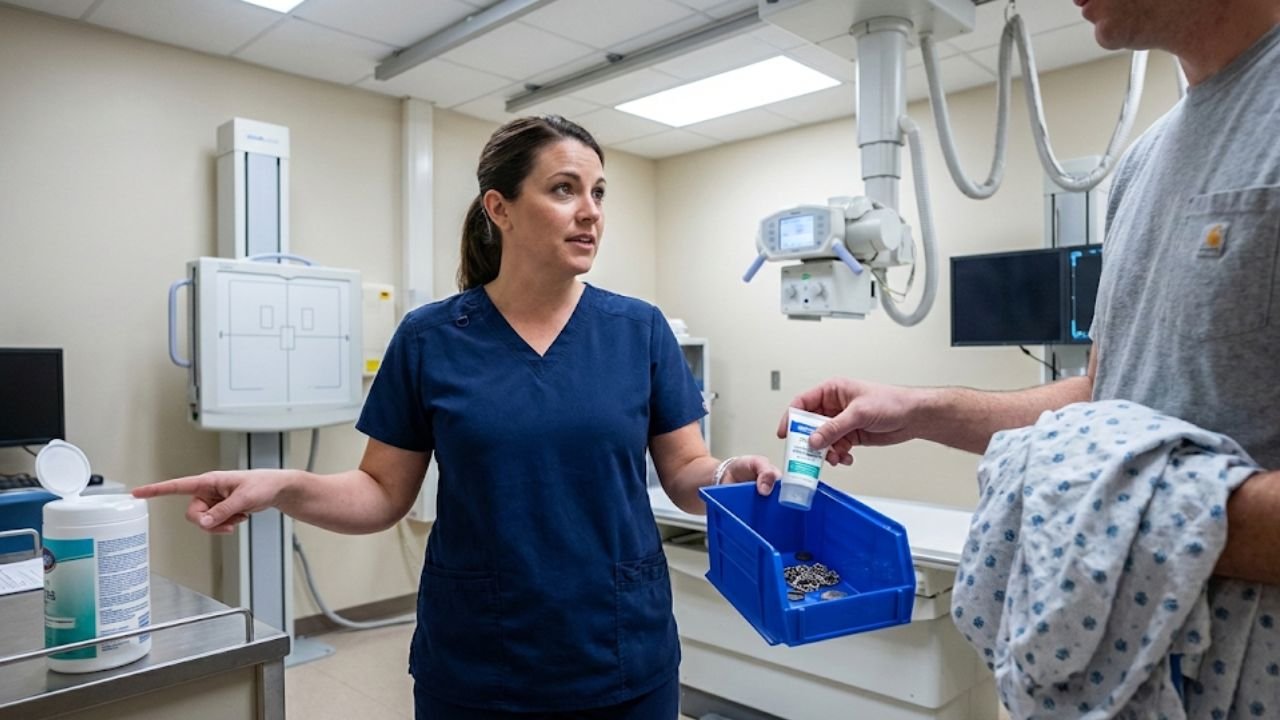

Healthcare careers continue to evolve as medical technology advances and patient demand grows across clinical settings. Many aspiring imaging professionals begin their journey through certificate programs for X-ray technicians (limited-scope), which provide focused training and practical exposure in diagnostic imaging.
These radiology technician training programs are designed to build foundational radiographic skills while preparing students for entry-level roles in outpatient clinics, urgent care centers, and physician offices. By combining classroom instruction with supervised clinical practice, graduates gain confidence, technical competence, and a clear pathway toward long-term growth in the radiology field.
Expanding Career Opportunities in Clinical Settings
Completing certificate programs for X-ray technicians equips graduates with practical imaging skills that are immediately applicable in healthcare environments. Limited-scope technicians typically begin working in outpatient clinics, orthopedic offices, chiropractic practices, and urgent care facilities. These settings rely heavily on skilled professionals who can capture accurate diagnostic images while ensuring patient comfort and safety.
As healthcare facilities continue to prioritize efficient imaging services, employers value technicians who understand positioning techniques, radiation safety protocols, and equipment handling. With experience, limited-scope X-ray technicians can take on additional responsibilities such as patient intake coordination, documentation management, and assisting physicians with minor procedures. This expanded role enhances professional visibility and increases long-term employability.
Building Specialized Skills for Advancement
Career advancement often begins with skill refinement. Through structured clinical practice and technical coursework, certificate programs for X-ray technician lay the groundwork for specialization. As technicians gain real-world experience, they may choose to pursue additional certifications in areas such as bone densitometry, fluoroscopy assistance, or digital imaging systems.
Employers frequently promote technicians who demonstrate accuracy, efficiency, and strong patient communication skills. By consistently applying the competencies gained during training, professionals can position themselves as reliable members of the imaging team. Over time, this expertise can lead to supervisory roles, lead technician positions, or training responsibilities for new hires within medical facilities.
Increased Earning Potential Over Time
While entry-level roles provide foundational experience, long-term earning potential improves with experience and expanded responsibilities. Graduates of certificate programs for X-ray technician often see salary growth as they accumulate hands-on experience and demonstrate consistent performance. Clinics and healthcare networks reward reliability and technical proficiency with incremental raises and advancement opportunities.
Additionally, technicians who pursue continuing education or broaden their imaging scope become more valuable to employers. Healthcare providers prefer multi-skilled professionals who can adapt to changing technologies and workflow demands. As a result, technicians who invest in professional development typically experience stronger job stability and higher compensation over time.
Professional Recognition and Workplace Confidence
Career growth is not only measured by job titles or salary increases. Professional recognition plays a critical role in advancement. Completing certificate programs for X-ray technicians demonstrates initiative, discipline, and a commitment to healthcare excellence. Employers often view certified technicians as dependable professionals who understand regulatory compliance and patient safety standards.
Confidence gained through structured training and supervised clinical hours also enhances workplace performance. Technicians who feel prepared are more likely to take initiative, communicate effectively with physicians, and manage patient interactions with professionalism. These qualities contribute significantly to career advancement and long-term success in diagnostic imaging.
Long-Term Career Stability in a Growing Field
The healthcare sector continues to expand due to aging populations and increased access to medical services. Diagnostic imaging remains a vital component of modern healthcare, ensuring sustained demand for qualified technicians. By completing certificate programs for X-ray technicians, professionals position themselves within a stable and essential industry.
As medical facilities invest in updated imaging equipment and digital systems, trained technicians become indispensable. The adaptability and foundational expertise gained early in one’s career support continued relevance, even as technologies evolve. This stability provides reassurance for individuals seeking dependable and meaningful healthcare careers.
Conclusion
Career advancement after completing certificate programs for X-ray technician extends far beyond entry-level employment. From increased earning potential and supervisory opportunities to pathways toward full radiologic technologist roles, the certification establishes a strong professional foundation. As healthcare technology advances and imaging services remain in high demand, motivated technicians can leverage their training to sustain growth and specialize.