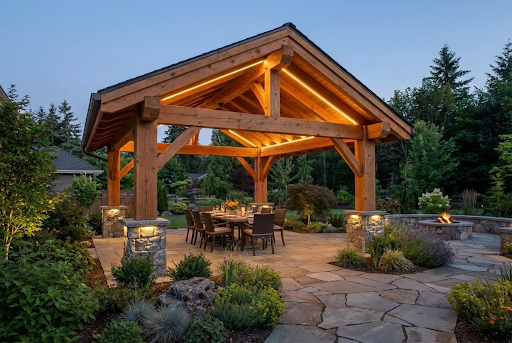
Custom timber pavilions provide generous covered space for outdoor entertaining, dining, and relaxation, while also offering strong protection from sun, rain, and snow. Built with substantial posts, beams, and a solid roof, a pavilion acts as an outdoor room that remains usable in changing weather conditions. Unlike light garden structures, a properly engineered timber pavilion can support lighting, fans, outdoor kitchens, and even fireplaces.
Because the structure is custom-designed rather than prefabricated, it can be tailored to lot size, views, and functional needs. This allows homeowners to create a central gathering area that feels permanent and architecturally aligned with the home.
Structural Advantages of Heavy Timber Pavilions
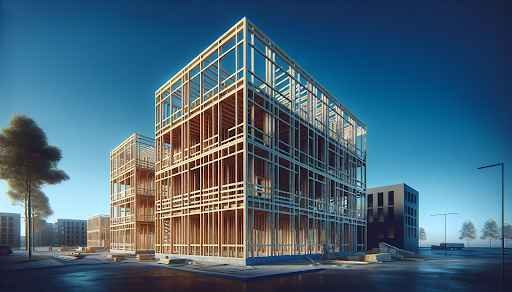
Heavy timber construction offers significant strength and stability compared to lighter materials. Large posts and beams handle wind loads, snow loads, and hanging fixtures with a wide safety margin. Traditional joinery and engineered connections help distribute forces throughout the frame, resulting in a rigid and durable structure.
The mass of the wood also improves comfort. Heavy timbers buffer temperature swings, absorb sound, and create a sense of shelter that lighter steel or aluminum systems cannot match. When combined with a durable roofing system, the pavilion becomes a long-term asset rather than a short-lived landscape feature.
Roof Design, Pitch, and Weather Protection
Roof design is central to pavilion performance. Common options include gable, hip, and mono-slope roofs, each offering different visual profiles and drainage characteristics. A steeper pitch sheds snow and rain more efficiently and can create an airy, vaulted interior, while lower pitches suit more contemporary designs and lower overall height.
Roofing materials—such as shingles, metal panels, or synthetic products—should be chosen based on climate, maintenance expectations, and appearance. Proper overhangs direct water away from posts and footings, preserving the timber and the patio or deck surface below. When designed correctly, the pavilion remains usable in both summer heat and shoulder seasons.
Sizing and Space Planning for Entertaining
Pavilions are often planned as the centerpiece of a larger outdoor living area. To function well, the footprint needs to match the intended use:
- For dining: allow enough space for table, chairs, and circulation.
- For lounging: plan for sofas, side tables, and clear sightlines to views or a pool.
- For mixed use: consider zones for seating, cooking, and open space.
Custom timber pavilions can be scaled to accommodate intimate family gatherings or large events. Thoughtful space planning ensures that furniture and fixtures feel integrated rather than cramped.
Integrating Outdoor Kitchens and Fire Features
A pavilion with a solid roof offers an ideal location for an outdoor kitchen or bar. Timber framing supports range hoods, lighting, and overhead storage while still allowing open sightlines. Non-combustible surfaces and proper clearances are essential when integrating grills, smokers, or pizza ovens into a timber structure.
Fireplaces and fire pits can be placed at one end of the pavilion to create a focal point and extend the usable season. When combined with comfortable seating and wind protection, the pavilion becomes a three-season living room.
Electrical, Lighting, and Comfort Features
Electrical planning is an important part of pavilion design. Conduit and wiring should be integrated into the structure during construction to support:
- Ambient lighting (chandeliers, sconces, or recessed fixtures)
- Task lighting for cooking and dining
- Ceiling fans for summer comfort
- Outlets for devices, heaters, and decorative elements
Layered lighting allows the pavilion to transition from practical daytime use to atmospheric evening gatherings. Fans and optional radiant heaters help manage temperature, improving comfort on both hot and cool days.
Timber Species, Finish, and Maintenance
The choice of timber species influences durability, appearance, and maintenance requirements. Common options include cedar, Douglas fir, and other structural species suitable for exterior use. Factory-applied stains or finishes provide UV protection and help shed moisture.
Routine maintenance typically involves periodic cleaning and re-coating of finishes to preserve color and protect the wood. With sensible care, a heavy timber pavilion can perform for decades, aging gracefully as the surrounding landscape matures.
Site Preparation, Footings, and Drainage
A long-lasting pavilion starts with a properly designed foundation. Concrete footings sized for local soil conditions and loads prevent settling and shifting over time. Good drainage, grading, and, where needed, perimeter drains keep water away from posts and slab surfaces.
Whether the pavilion is placed on a patio, deck, or stand-alone pad, early coordination between landscape design and structural design avoids conflicts and costly rework. This is particularly important when integrating utilities or adjacent retaining walls.
Relationship to House Architecture and Landscape
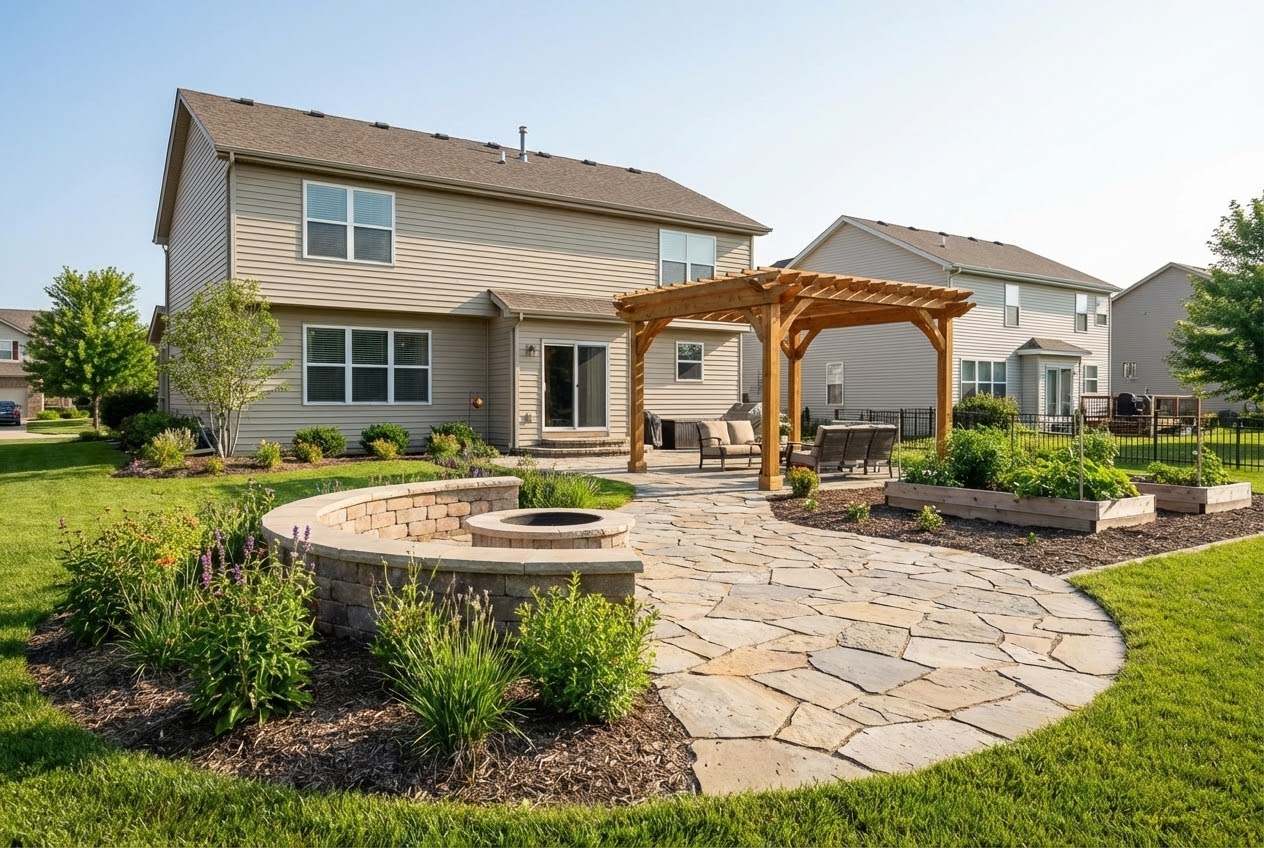
A custom timber pavilion should feel like a natural extension of the property, not an unrelated outbuilding. Matching or complementing the home’s roof pitch, trim colors, and architectural details helps unify the overall composition. Alignment with existing doors, windows, and view corridors makes movement between indoor and outdoor spaces intuitive.
Landscaping around the pavilion—plantings, paths, and low walls—can soften the structure’s edges and tie it into the garden. When thoughtfully sited, the pavilion becomes a visual anchor that draws people outdoors.
Long-Term Value and Versatility
Beyond immediate enjoyment, a well-designed pavilion can improve perceived property value by showcasing usable outdoor living space. Because it is a permanent, engineered structure, it appeals to buyers looking for functional amenities rather than temporary solutions.
The open, column-based layout also allows for future adaptation. Homeowners can change furniture, add or remove outdoor kitchen components, or reconfigure adjacent spaces without altering the primary frame.
Conclusion
Custom timber pavilions combine robust structure, comprehensive weather protection, and generous covered space to create true outdoor rooms. With careful attention to roof design, space planning, utilities, and architectural integration, they become long-lasting hubs for entertaining, relaxation, and year-round enjoyment.