Brain tumours are among the most challenging conditions to treat, often requiring invasive surgery or radiation. These options, while effective, may carry risks such as infection, cognitive side effects, or extended recovery. For patients seeking safer alternatives, focused ultrasound therapy is emerging as a promising solution. It combines precision with comfort, offering a non-invasive way to target certain tumours. This overview explains how it works, who it can help, and what the future may hold for this innovative brain tumour treatment.
Understanding Focused Ultrasound Therapy in Brain Tumour Treatment
Focused ultrasound therapy uses sound waves instead of surgery or radiation to treat brain tumours, even those that were once too dangerous to remove. It’s a new and safer way for doctors to treat these conditions.
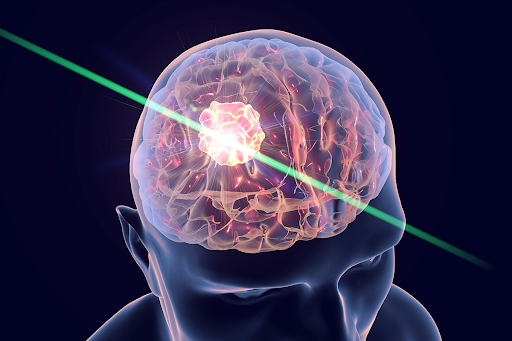
This method utilises concentrated sound waves to heat and destroy targeted brain tissue, thereby minimising damage to surrounding areas. Unlike traditional surgery, no incisions are made. The procedure is conducted inside an MRI machine that guides the ultrasound energy with high accuracy. Since it avoids cutting or radiation, this therapy reduces the risk of infection and long-term tissue damage. It is particularly useful for treating movement-related conditions and certain tumour types that meet size and location criteria.
How Focused Ultrasound Works on Brain Tumours
Focused ultrasound works by directing multiple beams to a single point in the brain, where they generate enough heat to destroy tumour cells. Each beam passes harmlessly through healthy tissue but produces a therapeutic effect when all beams converge. MRI scans are used both before and during the session to map the tumour and monitor progress in real-time. This guidance ensures that only the intended area is affected, making the therapy both safe and precise for selected cases of brain tumour treatment.
Advantages of Focused Ultrasound in Brain Tumour Treatment
This therapy offers a unique set of benefits that make it attractive for patients seeking non-invasive care.
Non-Invasive Nature and Reduced Risks
The lack of surgical incisions eliminates the chance of wound infections and shortens hospital stays. Patients are often discharged on the same day. With no need for general anaesthesia in many cases, the process is easier on those with other health concerns. There is also minimal disruption to surrounding tissues, which reduces neurological side effects and promotes faster healing.
Potential for Targeting Inoperable Tumours
Some tumours are located in areas of the brain where surgery would be too dangerous. Focused ultrasound can reach these regions without opening the skull. By concentrating energy deep within the brain, it offers a treatment path for individuals who may have been told that their tumour was untreatable. This makes it a valuable tool in extending care options for complex cases.
Minimal Recovery Time and Reduced Side Effects
Because the therapy causes less trauma to the body, recovery tends to be quicker. Most patients return to normal activities within a few days. There are fewer complications compared to traditional approaches, and many experience significant relief with minimal discomfort. This reduced recovery burden allows patients to focus more on their health and daily life.
Suitable Candidates for Focused Ultrasound Therapy
Not all brain tumour patients are suitable for this method, but many can benefit depending on their diagnosis and overall health.
Types and Locations of Brain Tumours Treated
Focused ultrasound is most effective on small, well-defined tumours visible on MRI. It has shown good outcomes for tumours located in central brain regions, where surgery poses high risks. Current applications are mainly for benign tumours and movement disorders, though studies are exploring its use for malignant tumours. The tumour must also be in an area reachable by ultrasound waves, which limits its use in some cases.
Patient Selection Criteria and Evaluation
Doctors evaluate factors such as tumour type, size, location, and the patient’s general condition. MRI scans help determine whether the tumour is accessible. Patients must also be able to remain still for a few hours in the scanner and should not have any metal implants or conditions that would interfere with the MRI. This evaluation ensures the method is both safe and effective for the individual.
Procedure Overview and What to Expect
Understanding the treatment journey can help patients prepare and feel more confident in their care choices.
Pre-Treatment Preparation
Before the procedure, the patient’s head is secured in a frame to prevent movement. A portion of the scalp may be shaved, and the patient is positioned inside the MRI machine. Imaging is used to locate the tumour and plan the exact area for treatment. No cuts are made, and sedation is rarely required unless the patient needs help staying calm or still.
Step-by-Step Treatment Process
Once positioned, the doctor begins delivering short bursts of ultrasound energy to the target area. MRI continuously monitors the temperature and tissue response. The entire process may last two to four hours. Patients remain awake and are in communication with the care team throughout. The procedure ends when the tumour area has been adequately treated.
Post-Treatment Care and Monitoring
After the session, patients are monitored for a few hours before being discharged. Most report mild side effects such as temporary dizziness or headache. Follow-up imaging is scheduled to evaluate treatment success. There is usually no need for rehabilitation or extended care unless additional therapies are required.
Limitations and Challenges of Focused Ultrasound Therapy
While this technique offers many benefits, it also has limitations that must be considered during treatment planning.
Technological and Anatomical Constraints
The therapy is not effective for large or irregular tumours. Tumours near the skull or air cavities may block ultrasound waves, making them harder to treat. Additionally, certain patients may not qualify due to bone thickness or other structural challenges that reduce treatment accuracy.
Availability and Cost Considerations
Focused ultrasound requires advanced machines and trained teams, so it’s currently available in select centres only. The cost may be higher than conventional therapies, and insurance coverage varies. These factors may affect access and should be discussed with healthcare providers before making decisions.
Future Prospects of Focused Ultrasound in Brain Tumour Treatment
This field is advancing rapidly, with researchers exploring broader applications and improved outcomes.
Ongoing Research and Clinical Trials
Trials are underway to test focused ultrasound for malignant tumours, drug delivery through the blood-brain barrier, and conditions like epilepsy. Results so far show promise, and continued innovation could expand its use to more tumour types and treatment combinations. The future could bring safer, more customised options for patients.
Potential Combination with Other Therapies
Scientists are studying how to combine this therapy with radiation or chemotherapy. The goal is to improve results while maintaining gentle and non-invasive treatment. By working with other methods, focused ultrasound could become part of an integrated approach to advanced brain tumour treatment.
Also Read : Myths and Facts We Need To Know About Brain Tumours
Conclusion
Focused ultrasound offers a safer path for many facing the challenge of a brain tumour. It treats with precision, reduces risk, and shortens recovery time. Although not suitable for everyone, it is a valuable option for select patients seeking non-invasive care. As research continues, more people may benefit from this approach. Those seeking alternatives to surgery or radiation should speak with their specialists to explore whether focused ultrasound could be part of their care journey.