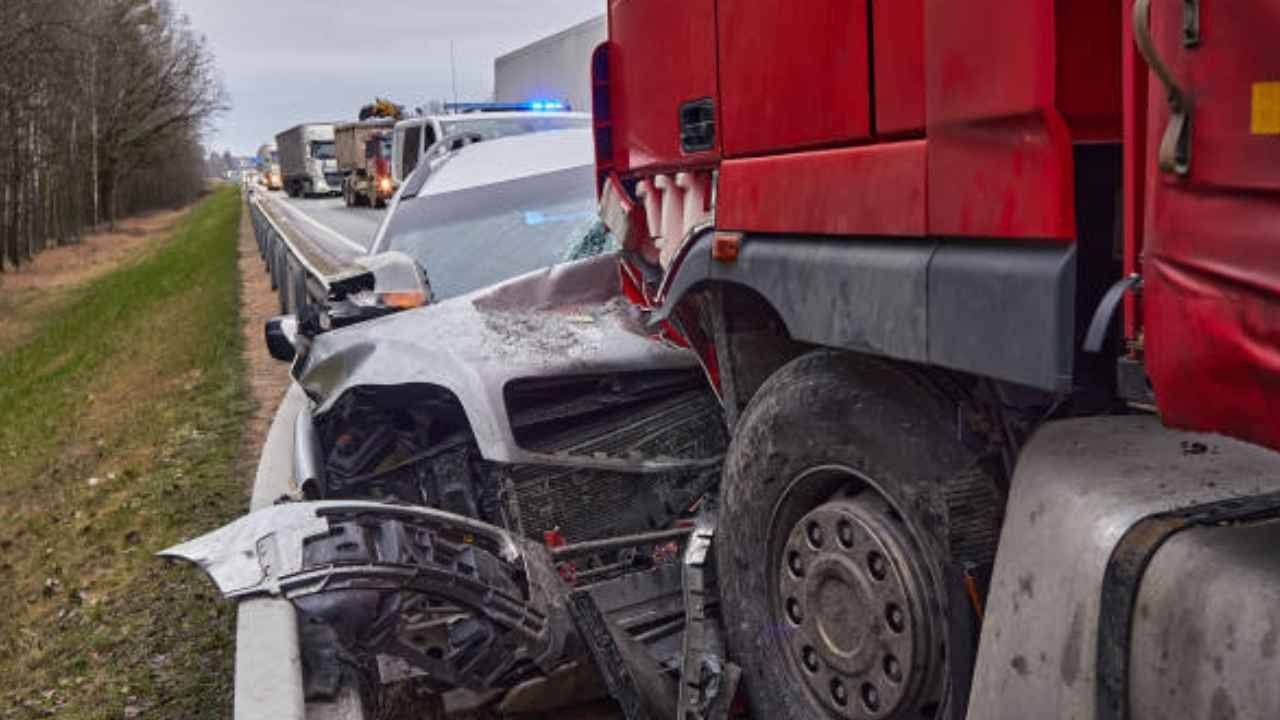
Florida is a major hub for transportation, with its busy highways connecting cities and ports, making trucking an essential part of the state’s economy. However, Florida’s road conditions often create serious challenges for truck drivers, increasing the risk of trucking accidents in Florida.
- Potholes and uneven roads can cause trucks to lose control.
- Heavy traffic makes it harder for large trucks to maneuver safely.
- Bad weather, from rain to hurricanes, worsens stopping distances and vehicle control.
Here, we’ll take a closer look at how these road conditions contribute to truck accidents in Florida and what can be done to make roads safer for everyone.
1. Potholes and Road Deterioration
Florida’s warm, tropical climate often leads to road damage like potholes, cracks, and uneven surfaces. While these issues might seem minor for smaller vehicles, they can be hazardous for large trucks. Potholes can cause tire blowouts, loss of control of the vehicle, or even result in the truck overturning. Trucks, due to their size and weight, are particularly vulnerable to road hazards like these.
For instance, when a truck hits a large pothole at high speeds, the driver may lose control of the vehicle, especially when fully loaded. This is why regular road maintenance is crucial to prevent such accidents.
2. Inadequate Signage and Road Markings
Florida’s highways, especially in rural areas, can sometimes lack clear and visible signage. Insufficient or unclear road markings, particularly in construction zones or poorly lit areas, increase the likelihood of an accident. For large trucks that need more space to maneuver, confusing signs or missing signals can lead to misjudgments or delayed reactions.
Poorly marked roads and exit ramps in busy areas like Miami or Orlando can be especially hazardous for truckers, who may find it difficult to gauge the best exit points or maneuver in time, resulting in dangerous accidents.
3. Congested Highways and Traffic Volume
Florida is known for its bustling highways, particularly interstates such as I-95, I-75, and I-4. These roads are critical for transporting freight across the state, but they also see a high volume of traffic. The more vehicles on the road, the higher the chances of accidents. Trucks, due to their large size, often struggle to navigate through dense traffic, and when there’s congestion, they face additional challenges with stopping and making quick turns.
The problem of congestion is further exacerbated during peak tourist seasons, such as spring break or holidays, when Florida sees a massive influx of tourists. This increases the risk of accidents, especially if truck drivers fail to adjust to these sudden changes in traffic flow.
4. Weather Conditions: Rain, Hurricanes, and Fog
Florida’s weather plays a significant role in truck accidents. The state experiences frequent rainstorms, dense fog, and even hurricanes. When weather conditions deteriorate, truck drivers may fail to adjust their speed or driving habits accordingly. Florida’s roads become slick during rainstorms, which can cause trucks to lose traction. Additionally, trucks require more distance to stop, especially when the road is wet.
Hurricane season brings unique challenges, with high winds and torrential rains making it difficult for truck drivers to maintain control. High winds can make it hard for truckers to stabilize their vehicles, particularly when hauling large cargo, and can even cause trucks to overturn.
5. Inexperienced Drivers and Poor Training
Florida’s booming economy and the ever-growing need for freight transport have led to a significant shortage of qualified truck drivers. As a result, many trucking companies hire inexperienced or under-trained drivers to keep up with demand. The lack of experience can significantly increase the likelihood of accidents. A less-experienced driver may misjudge their speed, fail to react quickly to road hazards, or not know how to handle a truck in difficult weather conditions.
Improper training and lack of familiarity with Florida’s unique road conditions—such as bridges and tight curves—can increase the chances of a truck accident. These situations require skilled drivers who can remain calm under pressure.
6. Road Construction and Detours
Florida’s highways are under constant construction due to the state’s growing population and the need to modernize infrastructure. Construction zones, detours, and lane reductions can pose significant challenges for truck drivers. Trucks have a larger turning radius and require more time to adjust to new road layouts. When combined with a lack of proper signage or traffic control, it can lead to confusion or accidents.
Drivers who are not prepared for sudden lane shifts or reduced visibility in construction zones are more likely to make mistakes that result in crashes. Additionally, construction zones often have uneven surfaces, which can lead to trucks swerving or losing control.
Conclusion
Florida’s road conditions, from poor weather to damaged infrastructure, are significant contributors to trucking accidents. These issues make it vital for trucking companies, drivers, and lawmakers to work together to improve road safety. With a combination of better road maintenance, improved driver training, and more careful weather preparations, the number of truck accidents on Florida’s roads could be reduced, saving lives and preventing future tragedies.