High Point, North Carolina, experiences a wide range of weather conditions throughout the year—from heavy thunderstorms and hailstorms to strong winds and seasonal temperature fluctuations. While these weather events are common in the region, they can have a serious impact on residential and commercial roofing systems.
For homeowners, understanding how storm damage affects roofs in High Point, NC is essential for preventing costly repairs and maintaining long-term property value. Even storms that seem minor can cause hidden damage that worsens over time if not addressed quickly.
This article explains how different types of storms affect roofs, the warning signs to look for, and why timely inspections from a professional roofing contractor in High Point, NC are critical.
High Winds and Shingle Damage
Strong winds are one of the most common causes of roof damage in High Point. During thunderstorms and seasonal storms, wind speeds can become powerful enough to lift, tear, or completely remove shingles.
Common wind-related roof issues include:
- Missing shingles
- Lifted or curled shingles
- Loose ridge caps
- Damaged flashing
- Exposed roof underlayment
When shingles are compromised, the roof loses its primary protective barrier. Even a single missing shingle can allow water to seep into the structure beneath, leading to leaks and interior damage.
Over time, repeated wind exposure weakens the adhesive seal on shingles, making future storm damage more likely.
Hailstorms and Surface Deterioration
Hailstorms are especially damaging to roofs in High Point, NC. Even small hailstones can cause significant surface wear, particularly on asphalt shingles.
Signs of hail damage include:
- Dents or bruising on shingles
- Loss of protective granules
- Dark impact spots
- Cracked or fractured shingles
- Damage to gutters and vents
Granule loss is particularly concerning because it exposes the underlying asphalt layer to UV rays and moisture. This accelerates roof aging and reduces overall lifespan.
Hail damage is often difficult to detect from the ground, which is why professional roof inspections are strongly recommended after any major storm event.
Heavy Rain and Roof Leaks
High Point experiences frequent rainfall throughout the year, and when combined with storm conditions, heavy rain can expose weaknesses in roofing systems.
Common rain-related issues include:
- Roof leaks
- Water stains on ceilings and walls
- Damaged underlayment
- Mold and mildew growth
- Rotting roof decking
Even small leaks can escalate quickly. Water infiltration often travels along roof structures before becoming visible inside the home, making the damage more extensive than it appears.
If left untreated, prolonged moisture exposure can weaken the structural integrity of the roof and lead to expensive repairs.
Lightning and Structural Risks
While less common than wind or hail damage, lightning strikes can still affect roofing systems in High Point. A direct or nearby strike can cause sudden and severe damage.
Possible impacts of lightning include:
- Burn marks on roofing materials
- Structural weakening
- Damaged electrical systems
- Fire hazards in extreme cases
- Cracked masonry or chimney damage
Although lightning damage is rare, it can be catastrophic. Any suspected lightning strike should be inspected immediately by a professional roofing company in High Point, NC.
Falling Debris and Tree Damage
High Point is known for its mature trees and green neighborhoods, but during storms, these trees can become a serious hazard.
Strong winds and saturated soil conditions may cause:
- Falling branches
- Uprooted trees
- Debris impact on roof surfaces
- Gutter and fascia damage
Even small branches can crack shingles or puncture roofing materials. Larger impacts can cause structural damage that requires immediate repair or partial roof replacement.
Homeowners should regularly trim overhanging branches to reduce the risk of storm-related damage.
Flashing Damage and Vulnerable Areas
Roof flashing plays a critical role in preventing water intrusion around chimneys, vents, skylights, and roof valleys. Unfortunately, flashing is often one of the first components to fail during storms.
Storm-related flashing issues include:
- Loose or lifted flashing
- Cracked sealant
- Rust or corrosion
- Separation from roofing surfaces
Once flashing is compromised, water can easily enter the home, even if the rest of the roof appears intact.
Proper inspection and repair of flashing are essential after any major storm in High Point, NC.
Gutters and Drainage System Damage
Storms don’t just affect the roof surface—they also impact the drainage system. Gutters play a vital role in directing water away from the home’s foundation.
Storm damage to gutters may include:
- Dents from hail
- Detached sections
- Clogged downspouts
- Overflowing water
- Bent or misaligned gutters
When gutters fail, water can pool near the foundation or back up onto the roof, increasing the risk of leaks and structural damage.
Maintaining a functional gutter system is essential for overall roof health.
Hidden Damage After Storms
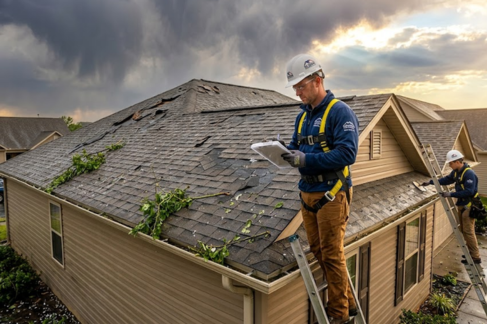
One of the most dangerous aspects of storm damage is that it is often not immediately visible. A roof may appear intact from the ground, while hidden issues continue to develop underneath.
Hidden storm damage can include:
- Loose nails and fasteners
- Minor shingle cracks
- Underlayment damage
- Small punctures
- Weak roof decking
Over time, these hidden issues can lead to major leaks, mold growth, and structural deterioration.
This is why post-storm inspections are strongly recommended, even if no obvious damage is visible.
Why Roof Inspections Are Essential in High Point, NC
Given the frequency of storms in the region, regular roof inspections are a critical part of home maintenance.
A professional contractor for roof repair in High Point, NC, can:
- Identify hidden storm damage
- Document issues for insurance claims
- Recommend repairs or replacement
- Prevent future leaks and structural damage
- Extend the lifespan of the roof
Early detection saves homeowners significant time and money by addressing issues before they worsen.
Insurance Claims and Storm Recovery
After storm damage, many homeowners in High Point rely on insurance coverage for repairs. However, filing a claim can be complicated without proper documentation.
Professional roofers often assist with:
- Detailed damage reports
- Photo documentation
- Insurance adjuster coordination
- Repair estimates
- Claim support
This guidance helps ensure homeowners receive fair compensation and complete restoration.
Preventing Storm Damage in the Future
While storms cannot be avoided, homeowners can take steps to reduce the risk of severe roof damage.
Preventive measures include:
- Regular roof maintenance
- Trimming nearby trees
- Cleaning gutters frequently
- Scheduling annual inspections
- Replacing aging roofing materials
A well-maintained roof is far more resistant to storm damage than one that is neglected.
Final Thoughts
Storm damage is a serious concern for homeowners in High Point, NC. From high winds and hail to heavy rain and falling debris, every storm has the potential to weaken roofing systems in different ways. Even when damage is not immediately visible, hidden issues can develop and lead to costly repairs later.
By understanding how storms affect roofs and working with an experienced roofing contractor in High Point, NC, homeowners can protect their property, reduce repair costs, and extend the life of their roofing system.
Timely inspections, preventive maintenance, and professional repairs are the key to staying ahead of storm-related roofing problems in the region.