The path to becoming a medical professional is paved with numerous challenges, and one of the most crucial steps is the medical school interview. As we look forward to 2026, the interview process has evolved, incorporating new technologies and methodologies. Prospective students are finding it essential to adapt to these changes to secure a spot in their desired programs.
Within the first few seconds of an interview, first impressions are formed, and they can significantly impact the outcome. This is where a medical school mock interview plays an invaluable role. These practice sessions prepare candidates by simulating the actual interview environment, helping them to refine their presentation and communication skills.
Understanding the Modern Interview Landscape
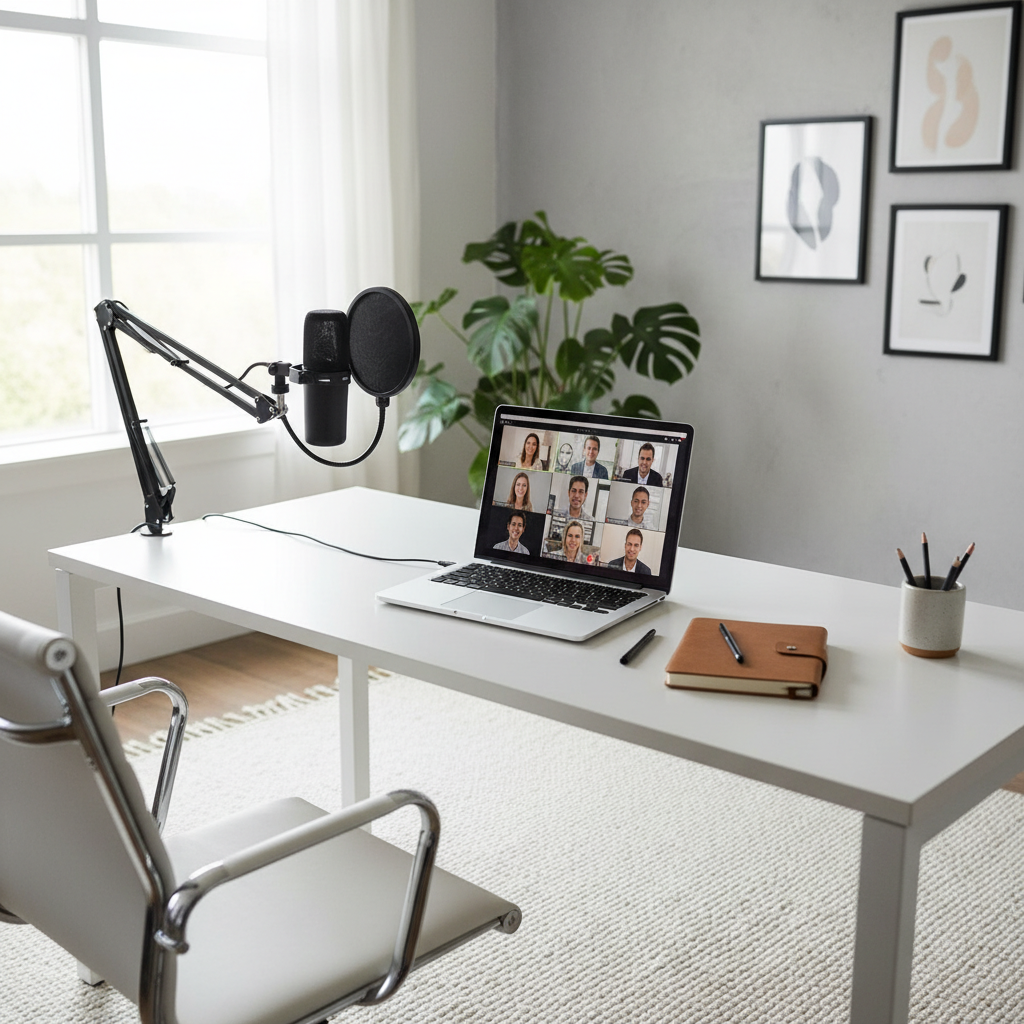
In recent years, medical schools have increasingly adopted virtual interview formats alongside traditional in-person sessions. This shift necessitates a distinct set of skills. Virtual interviews require candidates to be adept with technology while maintaining the same level of professionalism expected in person. It’s crucial to have a quiet, well-lit space with a reliable internet connection and to be comfortable with the platform being used by the school.
Moreover, interviewers are now more focused on assessing a candidate’s ability to communicate complex ideas clearly and concisely. They look for evidence of empathy, ethical reasoning, and a genuine passion for the medical field. Preparing for these demands requires a strategic approach.
The Role of Mock Interviews
The benefits of participating in mock interviews cannot be overstated. They serve as a rehearsal for the real thing, allowing candidates to practice answering common questions, managing stress, and improving their body language. Mock interviews can also be tailored to address specific weaknesses or concerns that a candidate may have.
Key Components to Focus On:
- Common Questions: Familiarize yourself with typical interview questions, such as “Why do you want to become a doctor?” or “How do you handle stress?” Preparing answers that are honest and reflective of your experiences is essential.
- Behavioral Questions: These questions explore how you have handled situations in the past. Use the STAR method (Situation, Task, Action, Result) to structure your responses.
- Current Healthcare Issues: Stay informed about the latest developments in healthcare. Interviewers may ask for your opinion on recent news or policy changes.
Technological Tools for Interview Preparation
Leverage technology to enhance your preparation. There are numerous platforms and tools available that allow you to record and review your practice interviews. This feedback loop is crucial for identifying areas of improvement. Additionally, consider using AI-driven analytics to gain insights into your speaking habits, such as filler word usage or pacing issues.
Online Resources:
- Interview Simulation Software: Programs like Big Interview or InterviewStream provide virtual interview practice with AI feedback.
- Recording Tools: Use apps like Zoom or Loom to record your practice sessions and evaluate your performance.
- Healthcare News Apps: Stay updated with apps like Medscape or Healthline to ensure you’re prepared for discussions on current events.
Expert Insights and Statistics
According to a 2025 survey by the Association of American Medical Colleges, 78% of medical schools reported using virtual interviews as part of their admissions process. Furthermore, candidates who participated in at least three mock interviews before their actual interview reported a 30% higher confidence level.
The Psychological Edge
Understanding the psychology behind interviews can give you an edge. Interview anxiety is common, but it can be managed through techniques such as mindfulness and visualization. Practicing relaxation techniques can help calm nerves, allowing you to perform at your best.
Tips to Reduce Anxiety:
- Mindfulness Meditation: Engage in daily mindfulness exercises to improve focus and reduce stress.
- Visualization: Spend time visualizing a successful interview. Imagine walking into the room, answering questions confidently, and leaving with a sense of accomplishment.
- Breathing Exercises: Practice deep breathing exercises before and during the interview to maintain composure.
Conclusion
Preparing for a medical school interview in 2026 requires a blend of traditional preparation and modern adaptability. By embracing mock interviews, utilizing technological tools, and managing psychological factors, candidates can enhance their chances of success. As the interview landscape continues to change, those who remain flexible and well-prepared will stand out. Remember, the key to excelling is not just in knowing the right answers but also in presenting them effectively.