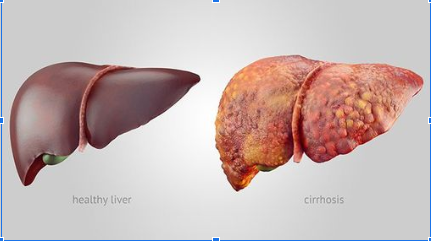
Cirrhosis of the liver is a chronic liver disease where long-term inflammation causes scarring, impairing the liver’s function. It can result from alcohol abuse, hepatitis, or fatty liver disease. Early-stage cirrhosis may have minimal symptoms, but as it progresses, it severely affects liver function.
Recent advances in medical treatments have significantly improved outcomes, offering new hope for patients. This post explores the latest developments in cirrhosis of the liver treatment, including novel therapies and advancements in liver transplantation.
Understanding Cirrhosis of the Liver
Cirrhosis of the liver is a progressive disease that significantly impacts liver function. To better understand this condition, let’s explore its causes, progression, symptoms, and complications.
Causes and Progression
Cirrhosis arises due to various factors, such as:
- Alcohol-related liver disease: Long-term alcohol use damages the liver.
- Hepatitis: Chronic infection from hepatitis B or C leads to cirrhosis.
- Non-alcoholic fatty liver disease (NAFLD): It is often linked to obesity, diabetes, and high cholesterol.
As cirrhosis advances, the liver becomes scarred, which compromises its ability to detoxify the body, produce proteins, and store nutrients. In severe cases, it can lead to liver failure or liver cancer.
Symptoms and Complications
As cirrhosis progresses, patients may experience:
- Fatigue and weakness
- Jaundice leading to yellowing of skin and eyes
- Fluid retention leading to swelling in the legs and abdomen
- Confusion, also known as hepatic encephalopathy
Complications include portal hypertension, which leads to increased pressure in the veins that supply the liver, varices (enlarged veins), liver cancer, and liver failure, all requiring regular monitoring.
Traditional Approaches in Cirrhosis of the Liver Treatment
The traditional approaches are as follows:
Medication and Lifestyle Changes
Currently, the focus in cirrhosis of the liver treatment is managing symptoms and slowing progression:
- Medications: Diuretics help control fluid retention, and beta-blockers manage portal hypertension. Antiviral drugs help in hepatitis-related cirrhosis.
- Lifestyle modifications: A balanced diet, alcohol cessation, and managing associated conditions like diabetes are critical.
Role of Regular Monitoring
Patients with cirrhosis must undergo regular screenings for complications like:
- Varices: Endoscopic monitoring helps detect enlarged veins that may rupture.
- Liver cancer: Regular imaging and blood tests can help in early detection.
Latest Medical Advances in Cirrhosis Treatment
Recent advancements have led to significant improvements in the treatment of cirrhosis. These innovations are offering new hope for patients and improving their quality of life.
Regenerative Medicine and Stem Cell Therapy
One of the most exciting developments is regenerative medicine. Stem cell therapy is being explored as a potential treatment for cirrhosis. By regenerating damaged liver tissue, stem cells may offer a non-transplant solution to liver failure. Although still experimental, early-stage clinical trials are showing promising results in regenerating liver tissue, offering hope to patients with advanced cirrhosis.
Non-Invasive Diagnostic Tools
Recent advancements in diagnostic techniques help in the early detection of cirrhosis:
- Imaging techniques: Elastography and other non-invasive imaging tools help measure liver stiffness, an indicator of cirrhosis, reducing the need for biopsies.
- Biomarkers: New blood tests to assess liver function offer more accurate and early diagnosis of liver disease, enabling better monitoring.
Innovations in Liver Transplantation for Cirrhosis Patients
Advances in liver transplantation are improving survival rates for patients with end-stage cirrhosis. These innovations are making liver transplants safer and more accessible.
Improved Surgical Techniques
Liver transplantation remains the most effective treatment for patients with end-stage cirrhosis. Innovations in surgical techniques include:
- Minimally invasive procedures: These reduce complications and shorten recovery time.
- Enhanced organ preservation: New techniques preserve liver tissue better, increasing organ availability and transplant success rates.
Expanded Donor Criteria and Living Donor Transplants
Due to the shortage of available organs, living donor transplants have become more common. This procedure involves transplanting a portion of a healthy person’s liver into the patient. The liver regenerates in both the donor and the recipient, significantly increasing the success rate of transplants.
Post-Transplant Care and Immune suppressive Advances
After transplantation, new immune suppressive drugs help prevent organ rejection while minimizing side effects. Ongoing monitoring and advancements in immune suppressants ensure better long-term outcomes for transplant patients.
Integrating Advances into Patient Care
The integration of recent advancements in cirrhosis treatment into patient care is essential to providing more effective and tailored healthcare solutions.
Personalised Treatment Plans
Advancements in cirrhosis treatment allow for personalised treatment plans. Tailoring therapies based on the patient’s condition and the severity of cirrhosis ensures the most effective care. This approach improves overall outcomes and quality of life.
Multidisciplinary Approach
Cirrhosis treatment often involves a multidisciplinary approach, with hepatologists, surgeons, and support teams working together to provide comprehensive care for patients.
Also Read : Tips to Get Rid Liver Cirrhosis
Conclusion
The latest advances in cirrhosis of the liver treatment and liver transplantation offer new hope to patients. With promising regenerative treatments and improved transplant procedures, the outlook for cirrhosis patients has significantly improved. While liver transplantation remains the most effective solution, emerging treatments like stem cell therapy may soon become routine. For the best care, consult specialised centres offering advanced treatments like BLK-Max Super Speciality Hospital.