
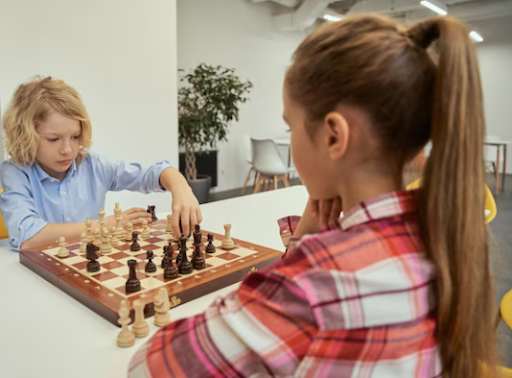
Chess encourages children to think carefully, recognize patterns, evaluate choices, and develop patience as they solve challenges through structured gameplay. As digital learning becomes increasingly common, online chess programs offer children a convenient way to learn fundamental concepts while practicing strategic thinking. With guided lessons, interactive activities, and regular practice, children can gradually understand chess rules and develop stronger decision-making abilities. Online chess coaching for kids can also provide structured learning environments where young players progress according to their age and skill level.
Beyond learning openings or tactics, chess can encourage concentration, logical reasoning, planning, and problem-solving. With consistent guidance and engaging instruction, online learning can make chess accessible to children while helping them build skills that can support academic learning and everyday decision-making.
Skills Children Can Develop Through Chess
Chess combines structured rules with open-ended decision-making, creating opportunities for children to develop cognitive and personal skills through regular practice.
1. Stronger Concentration and Attention
Chess requires players to observe the board carefully and consider multiple possibilities before making a move. Children gradually learn to remain attentive throughout a game rather than acting impulsively. Regular practice can strengthen their ability to focus on specific tasks for longer periods. Online lessons can reinforce this habit through puzzles, interactive exercises, and guided games. As children become familiar with chess positions, they learn to identify relevant information, ignore distractions, and concentrate on the consequences of different decisions.
2. Logical and Analytical Thinking
Every chess move creates a new position that requires evaluation. Children learn to compare alternatives, identify patterns, and understand relationships between different pieces. This encourages logical reasoning because players must consider whether a move creates an advantage or exposes a weakness. Coaches can introduce age-appropriate puzzles that gradually increase in difficulty, allowing children to develop analytical skills without feeling overwhelmed. Over time, this structured thinking can encourage children to approach other challenges with greater patience and a more systematic mindset.
3. Strategic Planning and Patience
Chess teaches children that successful decisions often require thinking beyond the immediate move. Players learn to develop plans, anticipate possible responses, and adjust strategies when circumstances change. This encourages patience because rushing can create unnecessary mistakes. A structured learning program can introduce concepts such as piece development, positional advantages, and long-term planning in simple ways. Children gradually understand that different stages of a game require different approaches. These lessons can help develop a habit of considering both immediate consequences and longer-term objectives.
4. Confidence Through Problem Solving
Chess presents children with challenges that encourage independent problem-solving, patience, and confidence. Through online chess coaching for kids, learners can practice tactical ideas, review games, understand mistakes, and improve gradually. Supportive guidance helps children view losses as learning opportunities rather than failures. Regular practice can strengthen resilience while encouraging young players to analyze their decisions, recognize areas for improvement, and approach new challenges with greater confidence, patience, and a positive attitude toward learning.
Digital Learning Supporting Young Chess Players
Online chess education combines structured instruction with interactive practice, offering children flexible lessons, guided activities, puzzles, and games that make learning engaging while supporting steady skill development.
1. Interactive Chess Lessons
Interactive lessons can make chess concepts easier for children to understand by combining explanations with visual demonstrations and practical examples. Instead of simply memorizing rules, young players can see how different moves affect the board. Coaches can introduce concepts gradually, beginning with piece movement and basic checkmate patterns before progressing toward tactics and strategy. Interactive learning can also encourage children to participate actively rather than passively watching a lesson. This approach can make complex ideas more approachable and enjoyable.
2. Personalized Learning Progress
Children develop skills at different speeds, making personalized instruction valuable in chess education. Online programs can organize lessons based on a player’s age, experience, strengths, and areas for improvement. Coaches can review games and identify recurring mistakes, then recommend exercises that address specific weaknesses. This approach prevents children from moving too quickly through concepts they have not fully understood. Gradual progression can also maintain motivation by providing appropriate challenges without becoming unnecessarily difficult.
3. Guidance From an Online Chess Tutor
Personal guidance can make a significant difference when children are learning chess. An experienced chess tutor online for kids can explain concepts in age-appropriate language, demonstrate strategies, and provide feedback during practice games. One-to-one or small-group instruction can also allow coaches to identify specific difficulties that may not be obvious during independent learning. Regular feedback helps children understand not only what move is correct but also the reasoning behind it, encouraging deeper understanding rather than simple memorization.
4. Practice Through Games and Puzzles
Practice is essential for turning theoretical knowledge into practical chess skills. Online platforms can provide puzzles, training positions, practice games, and tactical exercises that reinforce concepts introduced during lessons. Short activities can help children work on specific skills such as checkmates, captures, forks, pins, and defensive moves. Regular practice also allows children to test ideas in different situations. By combining instruction with repeated application, children can gradually become more comfortable analyzing positions and making independent decisions.
Creating Effective Chess Learning Habits
Children can gain greater value from chess when learning becomes a consistent and enjoyable part of their routine. Short, regular practice sessions can often be more effective than occasional long sessions.
Parents can encourage children to review games, solve age-appropriate puzzles, and discuss interesting positions without placing excessive pressure on results. Celebrating improvement rather than focusing only on winning can help maintain motivation. Coaches can also introduce progressively challenging concepts to keep learning engaging. A balanced approach allows children to develop technical chess skills while enjoying the process of discovery, experimentation, and problem-solving.
Conclusion
Chess provides children with opportunities to strengthen concentration, logical reasoning, planning, decision-making, patience, and problem-solving through engaging gameplay. Online learning can make these benefits more accessible by combining structured lessons, interactive exercises, practice games, and personalized guidance.
For families exploring the best chess online classes, Chessbrainz offers an online learning environment focused on helping children develop their chess abilities through guided instruction and practice. Their approach can support young learners as they build foundational skills and gradually progress toward more advanced concepts. With consistent practice and appropriate guidance, online chess education can make learning engaging while encouraging children to think carefully, evaluate possibilities, and approach challenges with greater confidence.