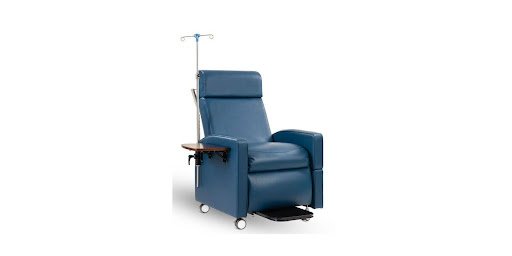
Delivering patient-centered care requires more than skilled healthcare professionals; it demands an environment that prioritizes comfort, safety, and efficiency. In clinical settings where blood collection is routine, patients often experience anxiety, discomfort, or stress. The Phlebotomy recliner chair has emerged as a solution to address these challenges. Specifically designed for blood draws and outpatient procedures, these chairs combine ergonomics, safety, and accessibility to transform the patient experience.
This guide explores the key aspects of phlebotomy chairs and their impact on clinical settings, offering actionable insights for healthcare administrators and practitioners.
Ergonomic Design for Patient Comfort
These design elements collectively make the phlebotomy chair an indispensable asset in clinics. They reduce discomfort, facilitate smooth procedures, and demonstrate a commitment to patient-centered care. By emphasizing ergonomics, clinics can significantly improve both patient experience and procedural accuracy.
- Adjustable Recline Mechanism: Modern phlebotomy chairs allow precise reclining angles to accommodate different patient needs. A smooth, controlled recline supports proper posture, reduces stress on the lower back, and ensures optimal positioning for blood collection. Patients can relax, minimizing movement that may interfere with the procedure.
- Supportive Armrests: Integrated, adjustable armrests stabilize the patient’s arm during blood draws. The ergonomic design distributes weight evenly and prevents discomfort during prolonged procedures, contributing to patient safety and improved vein accessibility.
- Padded Seating Surfaces: High-density cushions and soft upholstery provide a gentle seating experience. These materials are not only comfortable but also durable and easy to sanitize, ensuring hygiene without compromising patient care.
- Patient-Focused Adjustments: Some chairs feature height adjustment options to align the patient with the phlebotomist’s workspace, preventing strain for both parties. Small design innovations like footrests and lumbar support further enhance comfort and reduce procedure-related anxiety.
Enhancing Safety During Blood Collection
Prioritizing safety within the design of phlebotomy chairs ensures that patients remain secure throughout the procedure. By combining structural integrity with infection control, these chairs create a reliable environment for both patients and clinical staff, supporting safer, more efficient workflows.
- Sturdy and Stable Base: Chairs are built with reinforced frames to prevent tipping or wobbling. This stability is critical during procedures that involve sharp instruments and precise movements, reducing the risk of accidents.
- Locking Mechanisms: Wheels or reclining features are often equipped with locks, ensuring the chair remains secure during use. This feature is especially valuable for patients with mobility issues or those prone to fainting.
- Antimicrobial and Easy-to-Clean Surfaces: Materials used in these chairs resist microbial growth, safeguarding patient health. Smooth, non-porous surfaces allow rapid sanitation between uses, aligning with stringent infection control protocols.
- Integrated Safety Features: Chairs may include seat belts or side supports for patients with limited stability. These features provide an additional layer of security, reducing patient movement and enhancing the safety of blood collection procedures.
Streamlining Clinical Workflow
By facilitating efficient workflow, phlebotomy chairs enhance operational productivity. They allow staff to complete procedures faster, reduce fatigue, and maintain consistent standards of care for clinics seeking to optimize patient throughput without compromising safety or comfort.
- Accessibility for Clinicians: Chairs are designed to provide unobstructed access to the patient’s arm from multiple angles. This minimizes repositioning and allows phlebotomists to work efficiently without compromising patient comfort.
- Integrated Storage Solutions: Some models feature compartments for tourniquets, syringes, or alcohol swabs, keeping essential tools within arm’s reach. This reduces the time spent searching for equipment and streamlines the overall procedure.
- Mobility Features: Chairs with lockable wheels or lightweight designs enable quick relocation between rooms or stations, improving clinic flexibility. This is particularly beneficial in multi-use or high-volume clinics where space optimization is critical.
- Ergonomic Heights and Angles: Adjustable heights and arm positions accommodate different patient sizes while preventing clinician strain. Ergonomic alignment reduces repetitive stress injuries among staff and allows consistent procedural quality.
Reducing Patient Anxiety and Discomfort
Investing in medical recliner chairs that prioritize comfort directly impacts patient perception of care. By addressing anxiety, clinics can foster trust, encourage repeat visits, and create a supportive environment that aligns with contemporary standards of patient-centered healthcare.
- Calming Recline Options: Reclining chairs help patients relax by allowing them to lean back comfortably during procedures. This reduces the risk of fainting and eases anxiety associated with blood draws.
- Soft and Inviting Upholstery: The tactile quality of the chair contributes to a positive patient experience. Soft, cushioned surfaces make the chair feel welcoming, reducing perceived procedural stress.
- Personalized Adjustments: Armrests, footrests, and recline angles can be tailored for individual patient needs. Personalization ensures that patients feel cared for, which enhances cooperation and reduces procedural challenges.
- Supportive Positioning: Proper posture facilitated by the chair improves vein visibility, reducing the number of attempts required for a successful blood draw. Fewer attempts increase patient satisfaction and confidence in the clinic.
Long-Term Investment and Maintenance Benefits
Selecting a high-quality phlebotomy chair is a strategic investment for healthcare facilities. Reliable construction and flexible design ensure sustained functionality, supporting both patient care and operational efficiency over the long term.
- Durability and Quality Materials: Phlebotomy chairs are built to withstand repeated use in high-volume settings. High-quality upholstery and sturdy frames ensure long-term reliability, reducing replacement costs.
- Low Maintenance Requirements: Smooth surfaces and detachable components simplify cleaning and upkeep. Clinics can maintain hygiene and functionality without extensive maintenance schedules.
- Adaptability for Future Needs: Chairs with modular designs can be upgraded with additional features such as electronic recline, temperature controls, or specialized supports, providing long-term value as clinical needs evolve.
- Cost-Efficiency: The combination of durability, ease of maintenance, and multifunctional design ensures that the chair serves multiple roles within the clinic, maximizing return on investment.
Conclusion
The Phlebotomy recliner chair represents a pivotal innovation in clinical care, merging comfort, safety, and operational efficiency. Ergonomic design, enhanced safety features, workflow optimization, and patient-focused adjustments collectively transform routine blood collection into a more positive experience for both patients and clinicians. Clinics that prioritize investing in these chairs demonstrate a commitment to modern, patient-centered healthcare while ensuring their staff can operate efficiently and safely. Beyond patient comfort, the right phlebotomy chair supports long-term durability, reduces procedural complications, and enhances overall clinical performance.
For high-quality medical furnishings designed to improve patient care and clinical workflows, Esthetica Medical Furniture offers innovative solutions that meet the evolving demands of modern healthcare, ensuring both comfort and efficiency in every clinical setting.