When a dog loses movement, families often want one immediate answer: will it walk again? Unfortunately, there is no universal prediction. Treatment depends on why movement was lost, how quickly symptoms developed, and what a neurological examination reveals. Understanding paralysis treatment for dogs helps owners prepare for decisions.
First, Identify the Type and Severity of Weakness
Veterinarians distinguish partial weakness from complete paralysis and determine whether the front legs, back legs, or all limbs are affected. They also check pain responses, posture, reflexes, and the ability to urinate. These findings can help locate the problem within the nervous system and indicate how urgent further testing may be.
A dog that suddenly cannot stand should be assessed promptly. Paralysis treatment for dogs begins with a safe examination, not a trial of supplements, massage, or unsupervised exercises. If spinal disease is possible, excessive handling can make transport more uncomfortable and potentially harmful.
Why an Accurate Diagnosis Changes the Plan
A slipped or ruptured spinal disc may compress the spinal cord. Other possibilities include traumatic injury, inflammatory disease, vascular events, infection, or less common neurological conditions. Problems outside the spinal cord can sometimes mimic paralysis, which is why clinical examination comes before selecting treatment.
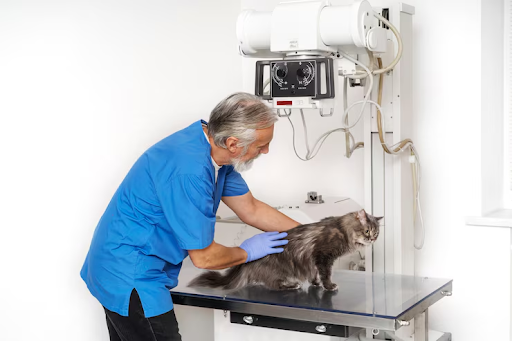
A veterinarian may recommend blood work, X-rays, CT, MRI, or other tests based on the clinical picture. MRI is particularly useful for examining spinal cord tissue and discs. Testing helps clinicians select medical management, surgery, or another intervention.
Three Broad Treatment Pathways
Medical Management
Some dogs may be managed with prescribed medications, strict movement restrictions, and close monitoring. This approach is appropriate only when a veterinarian considers the diagnosis and severity suitable. Rest instructions should specify how the dog can be carried, toileted, and prevented from jumping onto furniture.
Surgical Assessment
When spinal cord compression is severe or neurological function is worsening, a specialist may recommend urgent surgery. The decision depends on imaging, neurological findings, the dog’s overall condition, and informed discussion of risks. Paralysis treatment for dogs is not always surgical, but delaying a needed consultation can narrow options.
Rehabilitation and Supportive Care
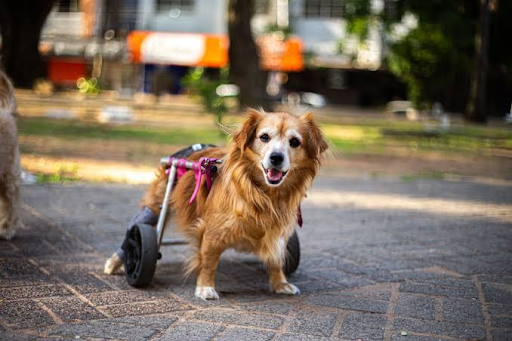
Physical rehabilitation may focus on safe mobility, muscle function, comfort, and gradual return to activity. For dogs with lasting deficits, appropriate mobility aids and nursing support can protect independence and skin health. Rehabilitation should be tailored to the diagnosis and stage of healing rather than started casually at home.
What Happens at a Neurology Consultation?
The specialist reviews the symptom timeline, recent injuries, medications, and prior testing. A neurological exam then helps localize the lesion. If advanced imaging is indicated, the team discusses anesthesia, timing, findings, and whether any procedure could follow imaging. Pet owners should expect an explanation of uncertainties as well as possible outcomes.
A resource on paralysis treatment for dogs from Veterinary Neurology & Imaging of the Chesapeake details sudden-paralysis warning signs and when emergency evaluation is needed. Families in Maryland can use that information to prepare for a specialist conversation, but emergency symptoms still warrant direct contact with a veterinary hospital.
What Determines the Chance of Walking Again?
There is no reliable recovery percentage for all paralyzed dogs. Prognosis depends on the diagnosis, extent of nerve or spinal cord damage, sensory findings, treatment timing, and response over time. Some pets recover significant function; others improve gradually or need ongoing mobility assistance. A veterinarian can provide a more meaningful outlook after completing the examination and any recommended tests.
When discussing paralysis treatment for dogs, ask which clinical signs are favorable, what setbacks might mean, and how progress will be evaluated. Understanding the monitoring plan is often more useful than comparing your dog with a recovery story posted online.
A Home-Care Checklist for the First Weeks
Create a quiet resting area with traction and room to reposition comfortably. Follow the veterinarian’s directions for supported toilet breaks, lifting, wound care, and medicines. Keep a log of appetite, pain, movement, urination, and bowel movements. Call the clinic if symptoms worsen or if the dog has difficulty passing urine.
If your searches include dog neurologist near me, confirm that a clinic can assess urgent spinal symptoms and explain its after-hours arrangements. Routine appointment availability is not the same as an emergency service. Ask whether neurological imaging and surgical consultation can be coordinated when necessary.
Questions About Cost and Follow-Up
Before consenting to testing or treatment, request a written estimate, discuss insurance documentation, and clarify what charges are included. Ask whether overnight monitoring, additional medication, imaging interpretation, or repeat examinations might add costs. Financial planning should be part of transparent care discussions, especially if hospitalization or surgery is possible.
Long-term paralysis treatment for dogs may require adjustments as strength, bladder control, and comfort change. Scheduled rechecks provide an opportunity to reassess the rehabilitation plan and identify complications early.
Conclusion
Effective paralysis treatment for dogs is individualized: first identify the cause, then choose the treatment and support that fit the patient’s neurological status. Sudden inability to walk deserves immediate veterinary attention. With clear communication, carefully selected interventions, and a realistic home-care plan, families can make informed decisions at each stage.