Waste management is an essential part of maintaining a clean and sustainable environment, especially with the growing population and increasing urbanisation. Among the various solutions available, skip bin recycling is emerging as one of the most convenient and eco-friendly methods for handling waste. Skip bins are large containers used to collect and transport waste, and when combined with recycling practices, they offer a streamlined way to dispose of and recycle materials effectively. This blog will explore why skip bin recycling is a smart choice for both residential and commercial waste management and how it contributes to a more sustainable future.
The Benefits of Skip Bin Recycling
Skip bin recycling isn’t just about cleaning up your space; it also offers numerous benefits for the environment and your community. Here are some of the main advantages:
1. Reduces Landfill Waste
One of the most significant environmental benefits of skip bin recycling is its contribution to reducing landfill waste. When you dispose of your waste in a standard skip bin, a large portion ends up in landfills, where it takes years to decompose. By choosing a recycling service, you ensure that a large percentage of your waste—such as plastics, metals, and paper—is sorted and sent to recycling centres. This helps reduce the burden on landfills and minimises the environmental impact.
2. Promotes Resource Conservation
Recycling materials from your skip bin helps conserve valuable natural resources. Many materials that are thrown away can be reused to create new products. For example, metals can be melted down and reused, and paper can be turned into new paper products. By diverting these materials from landfills, recycling supports the circular economy and reduces the need for raw material extraction, preserving ecosystems and reducing energy consumption.
3. Saves Energy
Recycling typically uses far less energy than creating new products from raw materials. For instance, recycling aluminium saves up to 95% of the energy required to create new aluminium from bauxite ore. When you opt for skip bin recycling, you’re helping conserve energy by ensuring that recyclable materials are repurposed rather than incinerated or left to decompose in landfills.
How Does Skip Bin Recycling Work?
Skip bin recycling is a relatively simple and efficient process. Here’s how it works:
1. Selecting the Right Bin
Before you begin your waste disposal, it’s important to choose the correct type of skip bin. Many skip bin providers offer various sizes and types of bins tailored to specific waste types, such as general waste, green waste, or mixed recyclables. Opting for a bin that allows for the separation of recyclable materials is key to ensuring that you can effectively recycle your waste.
2. Proper Waste Segregation
Once you have your skip bin, it’s important to segregate your waste. This means separating recyclable materials like paper, plastics, glass, and metals from non-recyclable waste, such as food scraps and non-recyclable plastics. While this task may seem tedious, many skip bin providers offer tips and guides to help you sort your waste properly.
3. Collection and Sorting
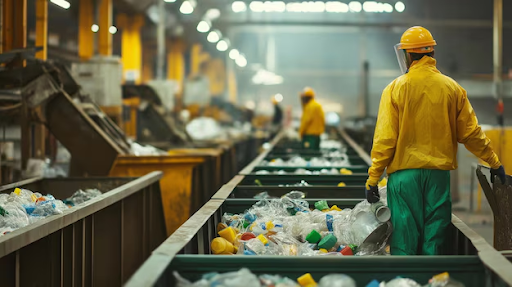
After your skip bin is filled, it’s collected by a waste management service provider. The waste is then transported to a recycling processing plant where it’s sorted into various categories. Automated sorting systems often assist in the separation process, ensuring that as much waste as possible is diverted to recycling facilities.
What Can You Recycle in a Skip Bin?
Not all waste is suitable for recycling, but many common materials can be included in a skip bin recycling program. Some of the most commonly recycled materials include:
1. Plastics
Plastic bottles, containers, and packaging can often be recycled, depending on the type of plastic. Make sure to clean and sort plastics before placing them in the skip bin.
2. Glass
Glass bottles, jars, and containers are highly recyclable and can be used to create new glass products. Make sure to separate any broken glass or non-recyclable glass items.
3. Metals
Metals like aluminium and steel are valuable recyclable materials that can be melted down and reused. Aluminium cans and steel cans are among the most commonly recycled metal items.
4. Paper and Cardboard
Cardboard boxes, newspapers, magazines, and other paper products can be easily recycled. These materials are processed into new paper products, such as recycled paper or cardboard.
Conclusion
Skip bin recycling offers an excellent solution for managing both residential and commercial waste in an eco-friendly manner. By opting for a recycling service, you are contributing to the reduction of landfill waste, promoting resource conservation, and saving energy. Furthermore, skip bin recycling is not only convenient but also cost-effective, making it a great option for anyone looking to manage their waste responsibly.