Businesses regularly invest in technology to improve productivity, communication, and operational efficiency. However, as equipment ages and newer systems are introduced, older devices often sit unused in offices, storage rooms, and warehouses. These assets may no longer support daily operations, but they still hold value that can benefit an organisation. Many companies choose to work with an IT scrap buyer to recover value from outdated equipment while ensuring responsible disposal. By taking a strategic approach to technology management, businesses can transform unused assets into financial and operational advantages.
Understanding the Potential of Unused Technology
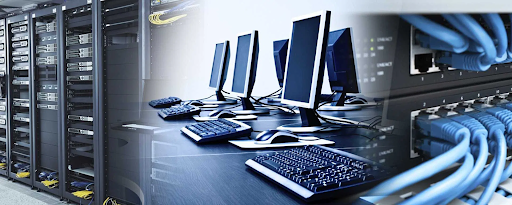
Many organisations view outdated technology as a burden rather than an opportunity. Old computers, servers, networking devices, and peripherals often remain stored long after they have ceased to serve a practical purpose.
Despite being retired from active use, many of these assets contain valuable components and materials. Businesses that recognise this potential can recover value through resale, refurbishment, recycling, or asset recovery programs, turning idle equipment into a useful business resource.
Conducting a Comprehensive Technology Assessment
Before deciding how to dispose of unused equipment, businesses should conduct a detailed assessment of their technology inventory. This process helps identify which assets still have value and which devices are ready for recycling.
An organised inventory provides visibility into equipment condition, specifications, and quantity. It also supports better planning and allows businesses to make informed decisions regarding disposal, replacement, and asset recovery strategies.
Strategies for Extracting Value From Old Technology
Different categories of technology require different approaches to recovering value. Understanding the available options helps businesses maximise returns while supporting responsible equipment management.
-
Reselling Functional Equipment
Technology that remains operational may still have demand in secondary markets. Small businesses, educational institutions, and startups often seek affordable equipment that can continue serving practical purposes.
Reselling functional devices allows organisations to recover a portion of their original investment. This approach also extends the useful life of equipment and reduces unnecessary waste.
-
Refurbishing Existing Assets
Some devices may require minor upgrades or repairs before they can be used again. Refurbishment can improve performance and extend the lifespan of technology assets that still have practical value.
Businesses can benefit from refurbishment by creating additional resale opportunities or by redeploying equipment within their own operations. This strategy supports cost efficiency while reducing the need for new purchases.
-
Recovering Valuable Components
Even when complete systems are no longer usable, individual components may retain significant value. Memory modules, processors, storage devices, graphics cards, and power supplies are examples of parts that can often be reused.
Working with an experienced IT scrap buyer helps organisations identify valuable components and recover returns from equipment that might otherwise be discarded without consideration.
-
Recycling Obsolete Technology
Some equipment eventually reaches a point where resale or refurbishment is no longer practical. In these cases, responsible recycling becomes the most effective solution.
Electronic recycling helps recover materials such as copper, aluminium, steel, and plastics. These materials can be reintroduced into manufacturing processes, reducing the need for extracting new resources.
-
Partnering With Professional Asset Recovery Services
Many businesses choose professional asset recovery providers because they simplify the disposal process and help maximise returns. Experienced specialists understand market demand, recycling requirements, and equipment valuation.
These services often include collection, transportation, evaluation, and environmentally responsible disposal methods. This support allows organisations to manage surplus technology more efficiently.
Protecting Business Data During Disposal
Data security remains one of the most important considerations when disposing of technology assets. Computers, servers, storage devices, and mobile equipment frequently contain confidential information that must be protected.
Before equipment leaves the organisation, businesses should implement secure data destruction procedures. Professional wiping, overwriting, or physical destruction of storage devices helps ensure that sensitive information cannot be recovered. Proper data protection safeguards the company’s reputation and reduces the risk of security breaches.
Supporting Sustainability Through Responsible Recycling
Sustainability has become an important objective for businesses across many industries. Responsible technology disposal supports environmental goals by reducing electronic waste and encouraging resource recovery.
Recycling programs help keep valuable materials in circulation while minimising landfill waste. Organisations that prioritise environmentally responsible disposal demonstrate their commitment to sustainable business practices and resource conservation.
Many companies also discover that sustainability initiatives can enhance their reputation among customers, stakeholders, and business partners. Responsible technology management, therefore, offers both environmental and business benefits.
Financial Advantages of Effective Asset Management
Unused technology represents more than physical equipment occupying space. It also represents capital that can potentially be recovered through strategic asset management.
Businesses that work with an IT scrap buyer in Dubai often discover opportunities to generate returns from equipment they no longer need. Recovering value from surplus assets can offset technology upgrade costs and improve overall financial efficiency.
In addition to direct financial returns, removing obsolete equipment reduces storage requirements and improves workspace organisation. Better asset management contributes to operational efficiency while reducing unnecessary expenses.
Building a Long-Term Technology Lifecycle Strategy
Successful organisations do not wait until equipment accumulates before considering disposal options. Instead, they establish long-term strategies for managing technology throughout its lifecycle.
Regular asset audits help identify equipment approaching the end of its useful life. Scheduled reviews also allow businesses to plan upgrades more effectively and prevent large volumes of obsolete equipment from accumulating.
A structured lifecycle strategy ensures that technology assets continue delivering value from acquisition through disposal. It also simplifies budgeting, improves inventory management, and supports responsible resource utilisation.
Conclusion
Turning unused technology into business value requires more than simply removing outdated equipment from storage. Through careful assessment, responsible disposal practices, and strategic asset management, businesses can recover financial returns while supporting sustainability goals. Whether through resale, refurbishment, recycling, or component recovery, retired technology can continue providing value long after its original purpose has ended.
Businesses looking for dependable technology disposal and recovery solutions can rely on IT Scrap Buyer for professional support. The company specialises in evaluating, collecting, and processing surplus IT equipment while maintaining high standards of environmental responsibility. Organisations seeking a trusted IT scrap buyer in Dubai benefit from transparent processes, efficient service, and expert guidance that helps maximise value from outdated technology assets while ensuring secure and responsible disposal.