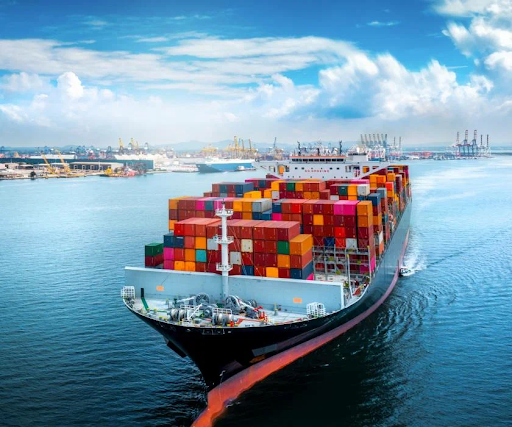
In an era of global commerce, businesses increasingly rely on efficient shipping methods to maintain competitiveness. Optimizing international trade requires robust systems, and sea freight logistics plays a central role in ensuring the timely, cost-effective, and secure movement of goods. Companies that master these logistics processes can reduce operational bottlenecks, improve supply chain reliability, and enhance customer satisfaction.
Strategic Route Planning for Faster Deliveries
Efficient shipping begins with careful route planning, which ensures cargo reaches its destination on time while minimizing costs. By leveraging advanced data analytics and real-time maritime insights, businesses can identify optimal paths that avoid congestion and maximize transit efficiency.
- Optimized Shipping Lanes: Utilizing data-driven insights, companies can select the most efficient maritime routes, reducing transit times and fuel costs. Selecting the right shipping lanes ensures minimal congestion and faster delivery cycles.
- Port Selection and Scheduling: Choosing ports with streamlined customs and cargo handling minimizes idle time. Coordinated port scheduling prevents bottlenecks, ensuring shipments move smoothly from vessel to warehouse, maintaining the overall supply chain flow.
- Contingency Planning: Establishing alternative routes mitigates risks associated with geopolitical events or natural disruptions. Businesses maintain operational resilience by planning backup options, reducing the likelihood of costly delays.
Efficient Container Management for Cost Control
Proper container utilization is critical to reducing operational expenses and improving supply chain performance. Thoughtful planning of cargo space, along with regular inspections and structured segmentation, ensures safe handling and maximizes each shipment’s capacity.
- Optimal Container Utilization: Proper load planning maximizes space, reducing the number of trips required. Efficient container allocation lowers transportation costs and reduces environmental impact through fewer voyages.
- Cargo Segmentation: Grouping compatible goods ensures safe handling and faster unloading. Segmentation improves workflow efficiency at ports and simplifies inventory management for businesses.
- Regular Maintenance Checks: Ensuring containers meet safety standards prevents damage during transit. Proactive inspections minimize liability risks and maintain cargo integrity throughout long-distance shipments.
Technology Integration to Enhance Visibility
Digital tools are transforming how companies monitor and manage shipments across global routes. Real-time tracking, automated documentation, and predictive analytics provide transparency, reduce administrative errors, and allow proactive problem-solving to keep cargo on schedule.
- Real-Time Tracking: Digital monitoring allows businesses to observe cargo location at every stage. Transparency improves decision-making, enabling proactive responses to unexpected delays.
- Automated Documentation: Electronic bills of lading and customs forms accelerate processing. Automation reduces administrative errors, ensuring regulatory compliance and faster clearances.
- Predictive Analytics: AI tools forecast potential disruptions, such as port congestion or weather delays. Companies can adjust schedules and routes preemptively, enhancing supply chain reliability.
Strengthening Risk Management in International Shipping
Comprehensive insurance, strict compliance with maritime regulations, and thorough environmental assessments protect shipments from loss, delays, and unforeseen hazards while ensuring uninterrupted operations.
- Insurance Coverage: Comprehensive marine insurance protects against loss, damage, or theft. Coverage provides financial security and peace of mind, allowing businesses to focus on growth.
- Regulatory Compliance: Adhering to international maritime laws avoids penalties and shipment hold-ups. Proper documentation and adherence to safety standards reduce legal complications and operational interruptions.
- Environmental Risk Assessment: Evaluating potential hazards like storms or piracy ensures preparedness. Risk assessments inform mitigation strategies, safeguarding cargo and maintaining consistent service levels.
Conclusion
Streamlining international shipping demands a strategic blend of planning, technology, and sustainability. Effective sea freight logistics ensures timely deliveries, cost control, and risk mitigation, creating a resilient supply chain that meets modern business demands.
For those seeking reliable shipping solutions, connecting with a professional logistics shipping company like AVR Logistics can provide expertise and seamless support across international trade operations.