
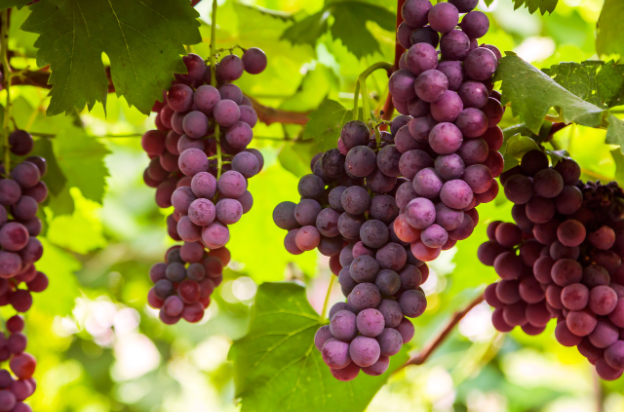
Growing fruit trees at home is one of the most rewarding experiences for gardeners, homeowners, and sustainability enthusiasts alike. Whether you’re looking to reduce grocery costs, embrace organic living, or simply enjoy the satisfaction of harvesting your own produce, starting a home orchard is entirely achievable—even for beginners. With careful planning and some essential knowledge, you can transform your yard into a thriving source of fresh fruit.
This guide will walk you through the fundamental steps of selecting, planting, and caring for fruit trees, ensuring your trees grow strong and yield plentiful harvests for years to come.
Why Grow Fruit Trees at Home?
There are multiple benefits to growing fruit trees in your backyard. First, they provide a sustainable food source, allowing you to eat seasonal, chemical-free fruits grown just steps from your door. Second, they enhance property value and aesthetic appeal with lush foliage and seasonal blooms. Third, they contribute to environmental health by supporting pollinators and improving air quality.
For those practicing permaculture or sustainable living, fruit trees are a cornerstone of self-reliant gardening.
Choosing the Right Fruit Trees for Your Location
Before purchasing your first sapling, it’s important to select trees that are well-suited to your climate and soil. Consider your USDA hardiness zone—each type of fruit tree has a preferred temperature range.
- Cold-climate zones (3-6): Apples, cherries, plums, and pears typically thrive in these areas.
- Moderate zones (7-9): Figs, citrus hybrids, pomegranates, and peaches work well.
- Tropical/subtropical zones (10-11): Avocados, bananas, mangoes, and papayas are best.
In addition to climate, consider space and sunlight. Most fruit trees require at least 6–8 hours of direct sunlight per day. Choose a site that’s well-drained and not prone to standing water.
Deciding Between Bare Root, Potted, and Grafted Trees
When purchasing fruit trees, you’ll often find three main types: bare root, potted, and grafted.
- Bare root trees are typically more affordable and available during dormant months. They establish quickly if planted promptly.
- Potted trees can be planted year-round and are easier for beginners.
- Grafted trees combine the rootstock of one variety with the fruiting part of another, offering disease resistance, size control (like dwarf trees), and faster fruit production.
For smaller spaces, dwarf or semi-dwarf trees are ideal. They produce full-sized fruit but grow to a manageable height of 8–15 feet.
Planting Your Fruit Tree
Planting your tree correctly is crucial to its long-term health. Follow these steps:
- Dig the hole: It should be twice as wide but no deeper than the root ball or root system.
- Loosen the roots: For potted trees, gently loosen roots to prevent them from circling.
- Backfill with native soil: Avoid rich compost alone; native soil encourages proper root establishment.
- Water deeply: Saturate the planting hole thoroughly after planting.
- Mulch: Apply a 2–4 inch layer of mulch around (but not touching) the base to retain moisture and suppress weeds.
Proper spacing is essential—most trees need 12 to 20 feet between them for healthy growth and airflow.
Pollination: Understanding Self-Fertile vs. Cross-Pollinating Trees
Not all fruit trees are self-pollinating. Some require another tree of a compatible variety nearby for cross-pollination.
- Self-fertile trees include peaches, apricots, and some apple varieties.
- Cross-pollinating trees include most apples, pears, and plums.
Be sure to research the specific variety you’re planting to ensure proper pollination, which directly affects fruit production.
Ongoing Care and Maintenance
After planting, fruit trees require consistent care to thrive:
- Watering: During the first two years, water weekly. Established trees need deep watering during dry periods.
- Pruning: Prune annually during the dormant season to shape the tree, remove dead branches, and improve sunlight penetration.
- Fertilizing: Apply a balanced, slow-release fertilizer in early spring. Avoid over-fertilizing, which can promote foliage growth at the expense of fruit.
- Pest and disease management: Monitor regularly for signs of infestation. Use organic solutions like neem oil or introduce beneficial insects to manage pests naturally.
Weeding and mulching are also important to prevent competition for nutrients.
Harvesting and Long-Term Rewards
Most fruit trees begin producing fruit within 2–5 years of planting, depending on the variety and care. Grafted trees typically yield fruit sooner. Once mature, these trees can produce dozens to hundreds of pounds of fruit annually, depending on size and species.
In addition to fruit, trees provide long-term ecological benefits such as shade, habitat for wildlife, and carbon sequestration.
Conclusion
Starting a backyard orchard may seem daunting at first, but with the right preparation, anyone can enjoy the joys and rewards of growing fruit trees at home. From selecting climate-appropriate varieties to mastering seasonal care, the key to success lies in understanding your environment and staying consistent with maintenance. If you’re ready to begin but don’t know where to find high-quality trees, consider visiting a local plant nursery, which often provides region-specific varieties and expert advice to support your planting journey.