Whether you’re a beginner or a seasoned racer, choosing the right kart chassis is a critical step in maximising performance on the track. The chassis serves as the foundation of your kart, impacting everything from speed and handling to safety and comfort. While many focus on engines and tires, overlooking the chassis can lead to underperformance, especially when navigating different track surfaces or racing styles.
Understanding Chassis Design and Structure
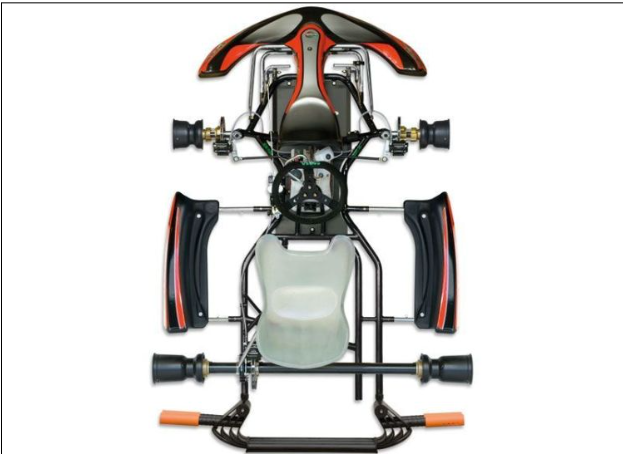
At its core, a kart chassis is a tubular steel frame engineered for specific racing applications. The frame’s design influences how the kart reacts during cornering, acceleration, and braking. Flexible chassis are often preferred on low-grip tracks, as they allow for better tire contact. In contrast, stiffer ones work better on high-grip circuits, where durability and precision are essential.
The main components include the rails, crossbars, and torsion bars. Their thickness, length, and welding points determine how the frame flexes under different loads. Selecting a chassis that aligns with your weight class and driving style is essential for optimal results.
Types of Kart Chassis
Kart chassis are typically categorised into two main types: open and caged.
Open Chassis
This is the most commonly used type in sprint kart racing. It lacks a roll cage and is designed for lightness and agility. Open chassis are preferred for asphalt tracks and are easier to adjust for various race conditions.
Caged Chassis
Primarily used in dirt kart racing, a caged chassis includes a protective frame around the driver. While heavier, it provides extra safety during collisions or rollovers. This type is better suited for rugged surfaces and endurance events.
Your choice depends on your preferred racing environment and how much protection you desire without sacrificing speed and flexibility.
Wheelbase and Frame Geometry
Frame geometry directly affects how a kart handles corners, grip levels, and overall stability. A longer wheelbase offers better high-speed stability but sacrifices maneuverability in tight corners. On the other hand, a shorter wheelbase allows quicker cornering and is ideal for tight sprint tracks.
Additionally, pay attention to front-end geometry, including caster, camber, and toe settings. These angles impact steering response and tire wear, and many modern chassis allow fine-tuning to suit track conditions and driver preferences.
Material and Build Quality
Most kart frames are made from chrome moly or mild steel. Chrome moly is more durable and lighter, often used by professionals for its strength-to-weight ratio. Mild steel is more affordable and provides sufficient performance for hobbyists or entry-level racers.
Inspect welding quality, paint finish, and joint alignment when buying a chassis. A well-constructed frame ensures longevity and consistent performance. Always purchase from reputable suppliers known for reliable kart racing parts.
Compatibility with Racing Rules
Each racing class has its own rules regarding chassis design, weight, and components. Before investing, confirm that the chassis meets the regulations set by your local or national karting association. This ensures you won’t run into disqualification issues during competition.
Some chassis models are approved across multiple classes and age groups, making them versatile for families with multiple racers or individuals planning to compete in different categories.
Maintenance and Support Availability
Like all performance equipment, kart chassis require regular maintenance. Choose a brand or model with accessible spare parts and technical support. Availability of frame alignment tools, replacement bushings, and compatible accessories is crucial for long-term upkeep.
Working with a local dealer or knowledgeable supplier helps you troubleshoot setup issues and get the most from your investment over time.
Conclusion
Finding the perfect kart chassis involves more than just budget and brand preference. You need to consider frame flexibility, geometry, track type, and material quality to match your performance goals. A well-suited chassis not only enhances your racing results but also ensures a safer, more enjoyable experience behind the wheel.
To maintain peak performance and extend the life of your setup, invest in quality kart racing parts from trusted sources like IC Kartstore. From tires to tie rods, every component matters in competitive karting—and it all starts with choosing the right chassis.