Interior design trends often come full circle, and few styles have reemerged with as much glamour and influence as Art Deco. The elegance, precision, and luxury of this 1920s–1930s movement are captivating today’s designers, inspiring a fresh era of modern Art Deco patterns that blend vintage sophistication with contemporary simplicity.
The question is — why now? What makes this century-old design aesthetic feel so modern again? Let’s explore the reasons behind its powerful comeback and how you can use it to elevate your interiors.
The Origins of Art Deco Design
Art Deco, short for “Arts Décoratifs,” originated in France during the early 20th century and became internationally recognized after the 1925 Paris Exposition. It represented a shift from the soft, organic lines of Art Nouveau to a style defined by geometry, luxury, and innovation.
This design movement was influenced by industrial progress, Egyptian art, and early modernism. It celebrated glamour, craftsmanship, and confidence, using bold materials like chrome, glass, lacquer, and marble. Iconic examples include the Chrysler Building in New York and the Ocean Drive hotels in Miami — both timeless symbols of Art Deco architecture.
Why Art Deco Is Trending Again
After decades of minimalist and Scandinavian design trends, homeowners are ready for interiors that feel richer, warmer, and more expressive. Art Deco’s mix of geometry, glamour, and personality perfectly fits this new design mindset. Here are a few reasons for its revival:
- Desire for Personality – People are moving away from plain, neutral spaces. Art Deco brings individuality through pattern, symmetry, and color.
- Luxury Reimagined – The modern version is less about excess and more about quality materials, craftsmanship, and thoughtful details.
- Instagram & Visual Appeal – Art Deco’s geometric shapes and metallic accents look stunning in photos and social media posts, fueling its popularity.
- Nostalgia Meets Modernism – There’s a growing appreciation for heritage design styles that connect us to history while still feeling modern and livable.
- Sustainability & Restoration – Many designers repurpose vintage Art Deco furniture, giving it a modern twist instead of buying mass-produced décor.
Defining Features of Modern Art Deco Patterns
The beauty of modern Art Deco patterns lies in their balance — they honor the past but embrace modern materials, finishes, and technology. Here are the most defining features:
1. Bold Geometry
Zigzags, chevrons, triangles, fan motifs, and stepped forms dominate modern Art Deco spaces. These designs create rhythm and structure, whether used on wallpaper, rugs, or tilework.
2. Symmetry and Repetition
Art Deco is all about balance. Repeating motifs — like sunbursts or scallops — bring harmony and a sense of order to interior.
3. Metallic and Reflective Finishes
Gold, brass, and chrome instantly bring glamour to a room. These finishes can appear in lighting fixtures, cabinet handles, and decorative trims, reflecting light and enhancing depth.
4. Contrasting Color Schemes
Rich jewel tones such as emerald green, sapphire blue, and ruby red contrast beautifully with black, ivory, and metallics. This combination gives a room both drama and elegance.
5. Luxurious Textures
Velvet upholstery, marble surfaces, and mirrored furniture define the tactile side of Art Deco. The interplay of glossy and matte finishes keeps interiors visually dynamic.
6. Streamlined Silhouettes
While early Art Deco emphasized ornamentation, modern Art Deco patterns incorporate clean lines and subtle detailing, making the style more adaptable for contemporary spaces.
How to Incorporate Art Deco into Modern Interiors
Whether you’re designing an apartment or a luxury home, you can infuse Art Deco elements at different scales. Here are practical ways to apply them:
1. Statement Walls
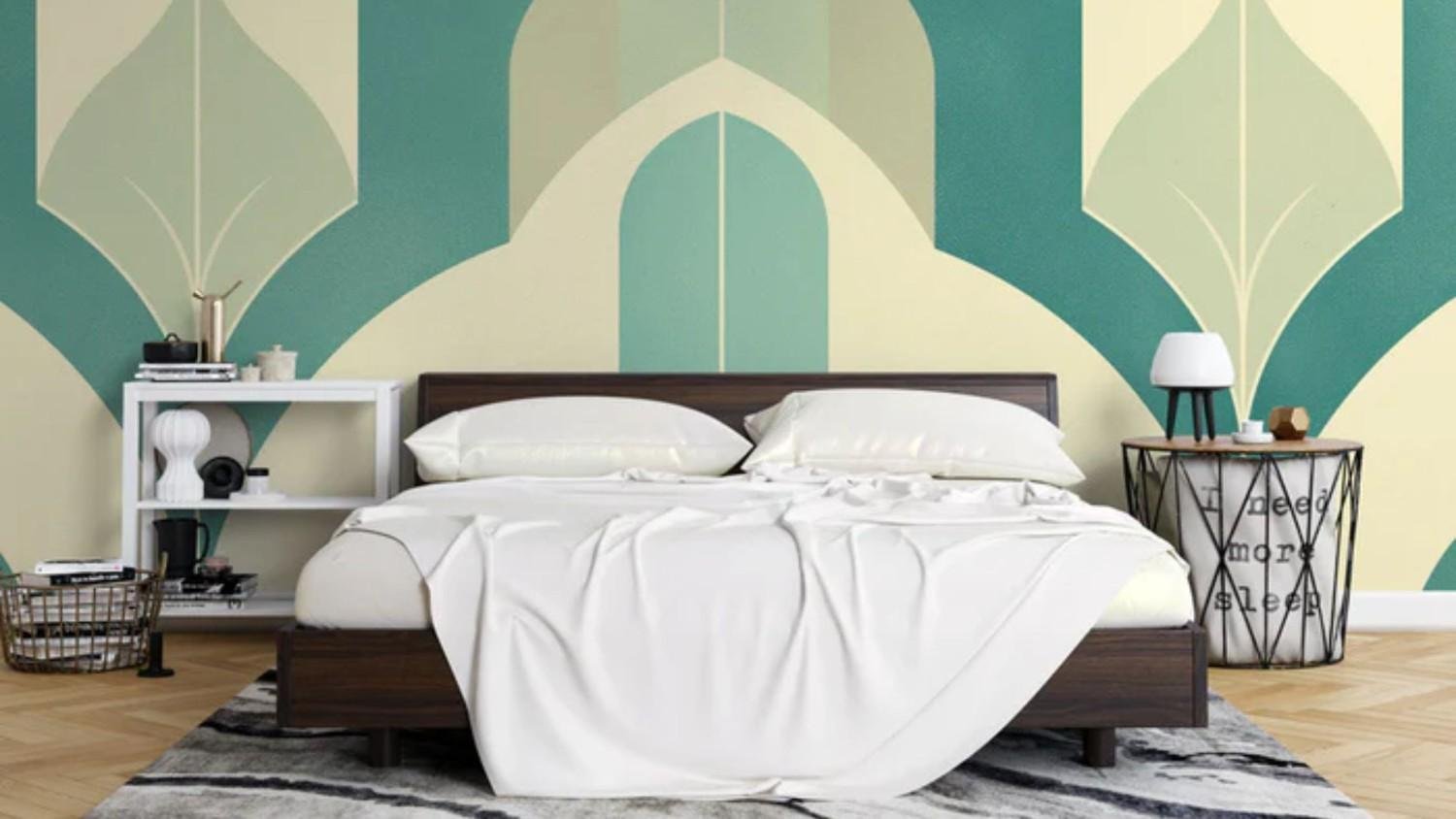
Use geometric wallpaper or decorative wall panels with metallic patterns. A bold wallpaper behind a bed or sofa can become the focal point of a room.
2. Furniture with Character
Choose furniture with curved edges, inlays, or lacquered finishes. A round mirror table or a velvet armchair with brass legs adds instant Art Deco charm.
3. Elegant Lighting
Lighting plays a major role. Look for chandeliers or wall sconces featuring glass rods, tiered designs, or gold detailing — reminiscent of 1930s movie theaters.
4. Decorative Accessories
Add geometric vases, mirrored trays, or angular artwork. Even small pieces can carry the theme without overwhelming your space.
5. Flooring and Tiles
Marble or terrazzo flooring with inlaid geometric borders is making a strong comeback. In bathrooms, use patterned tiles in black, white, or gold tones for a classic Art Deco feel.
6. Textiles and Rugs
Introduce modern Art Deco patterns through soft furnishings — cushions with sunburst embroidery, rugs with bold symmetry, or curtains with metallic threads.
7. Art and Prints
Framed prints featuring architectural lines or 1920s-inspired graphics add a sophisticated finishing touch.
Expert Tip: Keep Balance Between Old and New
While Art Deco thrives on opulence, restraint is key in modern interiors. Pair ornate pieces with simple, sleek backdrops. For example, combine a bold patterned wall with minimalist furniture or offset metallic finishes with matte textures.
The goal is to create contrast, not clutter — letting the geometry and elegance of modern Art Deco patterns shine through.
Modern Applications: Art Deco in Different Spaces
1. Living Rooms
A velvet sofa, gold-accented coffee table, and geometric rug can turn a plain living room into a luxurious retreat. Add a mirror with a sunburst frame for a glamorous touch.
2. Bedrooms
Soft lighting, curved headboards, and silk cushions evoke Art Deco comfort. Wallpaper behind the bed or mirrored side tables can make the room feel rich yet restful.
3. Kitchens & Bathrooms
Art Deco tiles, brass fittings, and black-and-white flooring create a stunning blend of retro and modern aesthetics.
4. Workspaces
A sleek writing desk, symmetrical shelves, and ambient lighting can introduce Art Deco flair into offices without compromising productivity.
Global Art Deco Revival
This revival isn’t limited to residential interiors. Around the world, luxury hotels, bars, and restaurants are celebrating the return of Art Deco. Cities like London, New York, and Dubai are showcasing interiors that reinterpret the style for modern audiences — often mixing Art Deco architecture with minimalist layouts and smart lighting.
Architectural firms are also reintroducing modern Art Deco patterns into facades, flooring, and decorative elements, creating a bridge between history and innovation.
Why Art Deco Endures
The ongoing appeal of Art Deco lies in its timeless blend of order and extravagance. It manages to feel both nostalgic and futuristic — a rare quality that continues to inspire designers. Its precision suits the digital age, while its luxury satisfies the human desire for beauty and craftsmanship.
The adaptability of modern Art Deco patterns also makes them perfect for various design styles — from classic Hollywood glamour to urban contemporary living.
Final Thoughts
The resurgence of Art Deco is more than just a design trend — it’s a celebration of creativity, heritage, and individuality. By combining structured geometry, metallic accents, and rich textures, modern Art Deco patterns bring a sense of confidence and timeless elegance to interiors.
Whether you add a subtle motif through accessories or embrace it boldly across your entire home, Art Deco’s comeback reminds us that good design never truly fades — it simply reinvents itself with every generation.