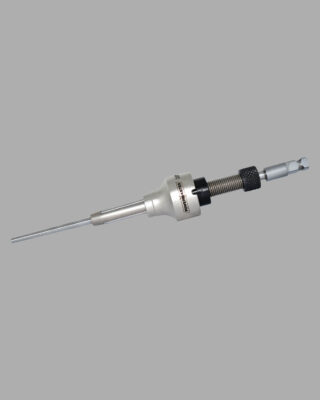
A tube-to-tube-sheet joint looks simple from the outside, just metal pressed against metal. Underneath that simplicity sits a calculation that has to be right almost every time it’s performed. That calculation depends on how well the rolling tool is calibrated before anyone touches a bundle. Roll too little and the joint stays loose enough to weep under pressure cycling. Roll too much and the tube wall hardens past the point where it can flex, so it cracks instead. Ammonia units, urea plants, and hydrocarbon processing lines run hot, run under pressure, and rarely forgive a joint rolled on guesswork. That’s the real argument for putting calibration on the maintenance calendar instead of leaving it to whoever grabs the tube expander machine first.
The Math Behind a Good Joint
Expansion percentage comes from three numbers: the tube’s outer diameter, its wall thickness, and the diameter of the hole in the tube sheet. Feed those into the formula correctly and the tool tells the operator exactly how far to roll. Feed in a stale calibration reading and the tool lies, quietly, without any alarm going off.
A few things go wrong when that math is off:
- Under-rolled joints develop pinhole leaks once the unit cycles through a few heating and cooling passes, often within the first year rather than immediately.
- Over-rolled tubes can look fine on inspection day and still fail two turnarounds later, since the hardening damage sits internally.
- A bundle with mixed torque settings rarely fails evenly. Some joints hold for years while neighbors leak within months, which complicates troubleshooting.
None of this shows up on a walkthrough. It shows up in a leak test, or worse, during operation.
Calibration Drift Is Slow and Invisible
Torque controllers wear out the way most mechanical tools do. Bearings loosen, seals age, and the readout keeps reporting normal numbers even after actual output has drifted. Nobody notices until a batch of tubes rolled at the “correct” setting starts failing early. That’s the case for treating calibration as its own maintenance line rather than folding it into a general tool check. Verifying torque against a known reference before a major retubing job, recalibrating after the tool sits unused for months, and logging expansion percentage tube by tube during the job all catch drift before it reaches a customer’s pipeline.
Fitting Calibration Into Turnaround Planning
Turnarounds in fertilizer and petrochemical plants run on tight windows, and tube bundle work almost always sits on the critical path. A crew that checks its powermaster tube expander settings days before the shutdown starts isn’t burning shutdown hours on recalibration once the clock is running. Sequential rolling from the back face forward, keeping the tool cool between passes, and swapping to a shorter-reach expander as the sheet deepens all matter, but none of it compensates for a tool that was never properly calibrated.
Schedule Your Tube Expander Machine Calibration Before the Next Turnaround
Calibration looks optional until the first repeat failure shows up on a bundle that was supposedly just fixed. Plants that build it into the schedule, rather than trusting operator judgment alone, see fewer callbacks after a turnaround closes out. Powermaster builds its tube expander machine range and expansion systems around that kind of repeatable precision, giving maintenance teams a baseline worth calibrating against every time a bundle comes due for retubing.