Carrying a concealed firearm requires the right holster to ensure comfort, safety, and accessibility. One of the most popular options among firearm owners is the inside the waistband holster (IWB). This type of holster provides an excellent balance between concealment and quick access, making it a top choice for everyday carry (EDC) enthusiasts.
However, finding the perfect IWB holster can be challenging due to the variety of materials, designs, and features available. In this guide, we’ll explore the essential factors to consider when selecting an IWB holster, the benefits it offers, and how to ensure it fits your firearm and lifestyle perfectly.
Why Choose an Inside the Waistband Holster?
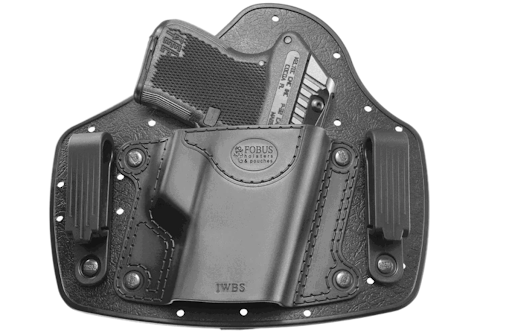
The inside the waistband holster is designed to be worn inside the waistband of your pants, with only the grip of the firearm accessible above the beltline. This placement provides several advantages:
- Enhanced Concealment – IWB holsters tuck the firearm close to the body, reducing printing (the outline of the gun showing through clothing).
- Secure Fit – These holsters hold the firearm snugly against the body, reducing movement and increasing retention.
- Quick Access – A properly positioned IWB holster allows for a swift draw while maintaining discretion.
- Versatility – They are compatible with various carry positions, including appendix carry, strong side, and small-of-the-back carry.
Whether you’re a first-time carrier or an experienced firearm owner, an IWB holster can provide an optimal blend of concealment and accessibility.
Factors to Consider When Choosing an IWB Holster
1. Comfort and Material Selection
Comfort is a crucial factor when selecting a holster, especially for all-day carry. The material of the holster plays a significant role in how comfortable it feels against the skin. The most common materials include:
- Kydex – A durable, rigid thermoplastic that offers excellent retention and is resistant to moisture. However, it may feel less comfortable against bare skin.
- Leather – A classic option that molds to the body over time, providing increased comfort but requiring more maintenance.
- Hybrid – A combination of Kydex and leather, offering the best of both worlds—rigid retention and a soft, comfortable backing.
Choosing the right material depends on personal preference and how frequently you plan to carry.
2. Retention and Security
A reliable holster IWB should securely hold the firearm while allowing for a smooth draw. Retention mechanisms vary, but common options include:
- Passive Retention – Uses friction to keep the firearm in place. Adjustable retention screws allow customization for a perfect fit.
- Active Retention – Incorporates a locking mechanism, such as a thumb break or trigger guard lock, for added security.
While passive retention is sufficient for most concealed carriers, those engaged in strenuous activities may prefer active retention for extra security.
3. Adjustability and Ride Height
The ability to adjust ride height and cant (angle) ensures the holster conforms to your body and carry style. Look for holsters with:
- Adjustable Cant – Allows the holster to tilt forward or backward for a more ergonomic draw.
- Variable Ride Height – Lets you position the holster higher or lower for optimal concealment and comfort.
- Sweat Guard – A feature that prevents sweat from reaching the firearm and enhances comfort.
Adjustability ensures the IWB holster fits your specific needs, whether you prefer a high ride for quick access or a low ride for deeper concealment.
Best Carry Positions for an IWB Holster
The inside the waistband holster offers several carry position options, each with its own advantages:
- Appendix Carry (AIWB) – Positioned in front of the body, usually between the 12 o’clock and 2 o’clock position. This method allows for a fast draw but may be less comfortable when sitting.
- Strong-Side Carry – Positioned at the 3 o’clock to 5 o’clock area (for right-handed carriers). This is one of the most comfortable and natural positions for carrying.
- Small of the Back (SOB) Carry – Located at the 6 o’clock position, offering deep concealment but a slower draw and increased risk of discomfort when sitting.
Choosing the right carry position depends on body type, lifestyle, and personal preference.
Caring for Your IWB Holster
Maintaining your holster IWB ensures longevity and optimal performance. Here are a few key maintenance tips:
- Clean Regularly – Remove dirt, dust, and sweat buildup to prevent wear and tear.
- Check for Loose Screws – Tighten any adjustable retention screws to maintain a secure fit.
- Store Properly – Keep your holster in a dry place to prevent damage to materials like leather.
Proper maintenance not only extends the lifespan of the holster but also enhances safety and functionality.
Final Thoughts: Choosing the Best IWB Holster
Selecting the right inside the waistband holster requires careful consideration of comfort, security, adjustability, and carrying position. Whether you opt for a holster IWB made from Kydex, leather, or a hybrid material, finding the right fit ensures a seamless concealed carry experience.