Transforming your home’s exterior begins with deliberate planning, not random planting. Most homeowners make the mistake of focusing on plants first and structure second. That’s backwards. Effective residential landscape design Fort Worth prioritizes layout, drainage, usability, and long-term maintenance over surface-level aesthetics. The result isn’t a yard that looks impressive for one season; it’s an outdoor space engineered to handle Texas heat, heavy rain, and daily use for years without constant fixes or expensive redesigns.
Start With Function, Not Decoration
If you don’t define how you want to use your yard, the design will fail. Do you host frequently? Need safe play space for kids? Want a low-maintenance retreat? Every decision patios, turf, plant selection, lighting should stem from that purpose.
In Fort Worth, climate matters. North Texas heat, clay-heavy soil, and unpredictable rainfall patterns demand smart outdoor planning. Without proper grading and drainage, even the best-looking yard can turn into a muddy liability. A professional residential landscape design in Fort Worth evaluates slope, sun exposure, and soil conditions before drawing a single layout line.
Site Analysis: The Step You Can’t Skip
Sun and shade patterns change seasonally. That full-sun patio in spring might be unbearable by July. Texas summers are not forgiving. Designers must account for prevailing winds, afternoon heat exposure, and water runoff routes.
Clay soil common in Fort Worth retains water but drains poorly. That affects root health and hardscape stability. Ignoring soil composition leads to cracked pavers and dying plants within a few seasons. A competent design team builds solutions around these conditions rather than pretending they don’t exist.
Hardscape Is the Backbone
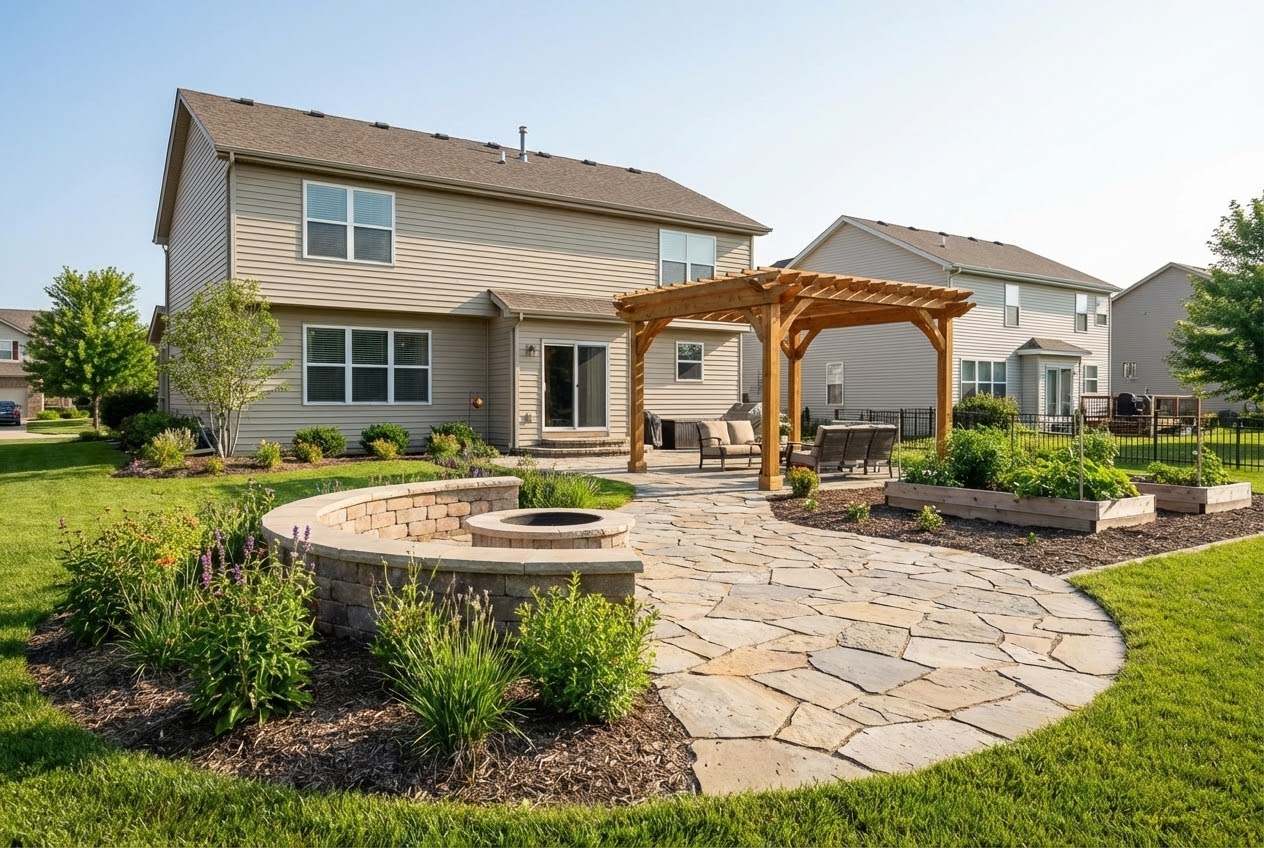
Hardscape elements, patios, walkways, retaining walls, and pergolas create structure. Plants are layered around them. If you reverse that order, you end up redesigning within five years.
Permeable pavers are increasingly popular in Texas because they manage runoff and reduce pooling after storms. Concrete slabs without proper expansion joints will crack in extreme temperature swings. That’s physics, not opinion.
Shade structures aren’t optional in Fort Worth; they’re strategic. A pergola, covered patio, or shade sail dramatically extends usability during peak heat months. Without shade, most homeowners abandon their outdoor spaces by mid-summer.
Smart Plant Selection: Beauty Without Regret
Stop chasing magazine landscapes from milder climates. Residential landscape design in Fort Worth must prioritize durability over trend.
Texas native plants outperform imported ornamentals. They require less water, resist pests better, and tolerate heat swings. Examples include:
- Red yucca
- Mexican feather grass
- Texas sage
- Autumn sage
- Black-eyed Susan
These plants aren’t just decorative; they’re adapted. Native planting reduces irrigation demands and long-term maintenance costs. If a design depends heavily on high-water turf grass, expect escalating water bills and constant upkeep.
Layering plants by height and texture creates depth without clutter. Groundcovers prevent erosion. Shrubs define borders. Trees provide long-term shade and property value growth.
Water Management Is Non-Negotiable
Fort Worth alternates between drought and heavy rain. A smart residential landscape design plan accounts for both extremes.
Drip irrigation systems outperform traditional spray heads by delivering water directly to roots. That reduces evaporation waste. Xeriscaping, designing with low-water plants and minimal turf, can cut outdoor water usage significantly.
Rain gardens are underutilized but effective. They capture runoff and prevent erosion while adding visual interest. Without drainage planning, even a beautiful yard becomes a maintenance headache.
Outdoor Living Spaces That Actually Get Used
Many homeowners overspend on features they rarely use. Be honest about your lifestyle.
If you entertain frequently, invest in an outdoor kitchen with durable countertops and proper ventilation. If you prefer quiet evenings, prioritize seating zones with ambient lighting and privacy hedges.
Fire pits extend usability into cooler months. Built-in seating reduces clutter from movable furniture. Strategic lighting, pathway lights, uplighting on trees, and soft patio illumination increase safety and enhance nighttime atmosphere.
Lighting is often treated as an afterthought. That’s a mistake. Proper lighting design improves security and dramatically changes how the yard feels after dark.
Maintenance Planning: Think Five Years Ahead
Every landscape requires maintenance. The question is whether you’ve planned for it.
High-maintenance plant varieties may look impressive at installation but become costly and time-consuming. Professional residential landscape design in Fort Worth factors in growth rates, pruning schedules, irrigation adjustments, and seasonal changes.
Mulch beds reduce weeds and regulate soil temperature. Proper plant spacing prevents overcrowding. Choosing durable materials upfront reduces replacement costs later.
A good designer will tell you when an idea isn’t practical. If they agree with everything you suggest without challenge, that’s a red flag.
Property Value and ROI
Well-executed landscape design increases curb appeal and resale value. Buyers respond to structured outdoor spaces that feel intentional. Random plantings and mismatched hardscape features don’t add value they signal future work.
Front yard design matters as much as backyard comfort. Defined walkways, layered planting beds, and balanced symmetry create a strong first impression. In competitive Fort Worth neighborhoods, that edge can influence sale price.
The Reality: DIY vs. Professional Design
You can plant a few shrubs yourself. You cannot easily correct grading errors, irrigation miscalculations, or poorly planned hardscape layouts without significant expense.
Professional residential landscape design in Fort Worth combines horticulture knowledge, structural planning, and environmental awareness. It prevents costly mistakes that DIY enthusiasm often creates.
Cutting corners on design usually results in paying twice once to install and once to fix.
Final Thought
A dream yard isn’t built on impulse purchases from a garden center. It’s built on strategy, climate awareness, structural planning, and realistic maintenance expectations.
Residential landscape design in Fort Worth is about creating an outdoor environment that survives Texas weather, fits your lifestyle, and increases long-term property value. Done correctly, it becomes an extension of your home — not a seasonal project you regret.
If the goal is a yard that looks good year-round and functions without constant repair, thoughtful planning isn’t optional. It’s the foundation.