Shade structures tend to get lumped together as a single category in casual conversation, but a pergola, a pavilion, and a gazebo each solve a genuinely different problem in a landscape. Treating them as interchangeable often leads to a structure chosen for its appearance alone, one that ends up mismatched to how the space actually gets used across a full year rather than just a few peak summer weekends. Understanding what separates these structures makes it considerably easier to choose the right one for a specific yard and climate.
How the Three Main Structure Types Actually Differ
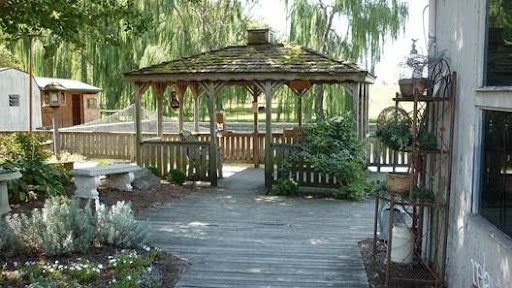
A pergola has an open, slatted roof that filters light rather than blocking it fully. A pavilion has a solid, pitched roof and provides genuine rain coverage, functioning closer to an outdoor room than a shade accent. A gazebo is typically a fully roofed, often octagonal structure meant to be viewed and used from every side, rather than attached to a house or fence line.
Sorting through these distinctions before shopping makes it far easier to land on the right timber shade structures rather than choosing based on which photo looked best in a catalog.
Matching Material to Long-Term Performance
- Timber ages visually over time, developing a weathered patina, while metal and vinyl tend to look unchanged until they fail, then degrade quickly.
- Wood is more repairable in sections, a damaged post or beam can often be replaced individually, whereas some metal systems require replacing an entire assembly.
- Metal framing generally weighs less and installs faster, which matters on tight-access sites.
- Timber requires periodic staining or sealing, an ongoing step that metal and vinyl largely avoid.
Choosing Based on Actual Use, Not Just Looks
A structure chosen purely on appearance often ends up mismatched to its real use pattern. A family that grills year-round in a rainy climate benefits far more from a solid-roofed pavilion than an open pergola, even if the pergola photographs more attractively. A yard used mainly for quiet evening relaxation in a dry climate may get more genuine value from a pergola’s partial shade and open airflow instead.
Thinking Through a Full Year, Not Just Summer
It is worth walking through a full year of realistic use, not just peak summer weekends, before settling on a structure type. A pavilion that shelters an outdoor kitchen during unpredictable rain earns its cost very differently than a pergola that mainly offers afternoon shade for a few months of the year.
What Ultimately Determines How Long It Lasts
Regardless of style, the structures that hold up longest share the same underlying traits: adequate footing depth for the local frost line, joinery that accommodates natural wood movement, and timber graded and treated specifically for outdoor exposure. Style should genuinely be the last decision made, only after these structural basics are settled.
Getting a Second Opinion on Sizing
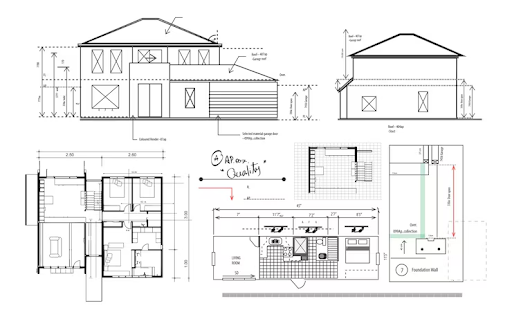
Before finalizing dimensions, it helps to have a builder walk the actual site rather than relying on a floor plan sketch alone, since sightlines, existing trees, and slope can all affect how a structure’s footprint actually reads once it is standing.
Accounting for Local Permitting Requirements
Some municipalities require a permit for larger shade structures, particularly those attached to a home or exceeding a certain footprint, so checking local requirements before finalizing a design avoids a costly redesign after the fact. This step is easy to overlook when focused mainly on style and material.
Revisiting the Decision After a Full Season
Some homeowners find it useful to live with an open, undecided space for one full season before committing to a structure type, taking note of exactly when and how the area naturally gets used before finalizing a design.
Final Thoughts
Choosing between a pergola, pavilion, or gazebo comes down to matching structure type to climate and actual use far more than personal taste alone. Getting that match right upfront avoids the common regret of a beautiful structure that never quite solves the problem it was meant to address.