
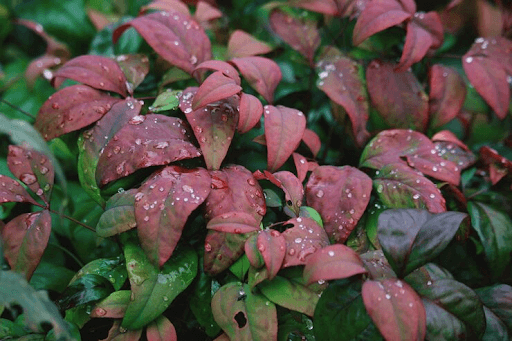
The monsoon season changes everything — the air feels cooler, the soil breathes again, and the whole world turns a richer shade of green. It’s also one of the most rewarding times of the year to grow plants. The natural humidity and regular rainfall create exactly the kind of conditions that certain species love, which means less watering, faster growth, and more vibrant blooms. Whether you’re a seasoned gardener or just starting out, this is the season to expand your collection.
Why the Rainy Season Is a Gardener’s Best Friend
Before exploring which plants to grow, it’s worth understanding why monsoon conditions are so beneficial. During this period, the combination of warmth and consistent moisture allows root systems to establish quickly. Plants that might struggle during dry summer months suddenly take off, producing new leaves and flowers at a pace you won’t see at other times of year.
Rainy season plants in India tend to fall into two broad categories — those that thrive in waterlogged or consistently moist soil, and flowering varieties that use the cooler temperatures to bloom. Knowing which type you’re working with helps you place them correctly, whether that’s in pots on a balcony, a garden bed, or a shaded indoor corner.
Top Plants That Genuinely Flourish in the Rains
Balsam (Impatiens balsamina) One of the most cheerful additions to any monsoon garden, balsam produces bright, waxy blooms in shades of pink, red, white, and purple. It grows quickly from seed and does well in partially shaded spots — perfect under a tree or near a covered verandah where it gets indirect light and natural rain. Deadhead the spent blooms to encourage continuous flowering throughout the season.
Hibiscus The hibiscus is practically synonymous with tropical rain gardens. It loves humidity, rewards consistent moisture with large, vibrant flowers, and grows enthusiastically during the wet months. A single well-placed hibiscus shrub can become the focal point of a garden. Keep it in a spot with morning sun and afternoon shade for the best results.
Marigold (Genda) A classic in Indian gardens, marigolds are resilient, pest-resistant, and visually bold. They don’t mind occasional waterlogging and produce their golden and orange flowers prolifically during the monsoon. They’re also practical — plant them near vegetables or herbs and they’ll deter common pests naturally.
Colocasia (Taro) If you’re interested in dramatic foliage rather than flowers, colocasia is hard to beat. Its large, heart-shaped leaves — sometimes in deep purple or lime green — look stunning when beaded with raindrops. It thrives in damp conditions and makes an excellent container plant if you want something architectural on a patio.
Moss Rose (Portulaca) This low-growing, succulent-like plant surprises many growers by doing well in monsoon conditions despite looking delicate. It prefers well-drained soil but tolerates brief wet spells. The flowers — in vivid pinks, oranges, and yellows — open in sunlight and close at night, giving your garden a different character at different times of day.
Crossandra Known locally as the firecracker flower, crossandra is a popular choice for rainy season flowering plants in India. It produces clusters of salmon-orange blooms and grows well in both pots and garden beds. It’s shade-tolerant, which makes it ideal for spots that get limited direct sun during overcast monsoon days.
Growing Tips That Actually Make a Difference
One common mistake during the rainy season is overwatering container plants. Because the air itself is humid and pots can retain moisture longer than usual, roots can rot if you water on the same schedule you use in summer. Check the top inch of soil before watering — if it’s still damp, hold off.
Good drainage is non-negotiable. If you’re planting in pots, make sure each one has adequate drainage holes and use a coarse, well-draining mix rather than heavy garden soil. For garden beds, consider raised borders to prevent waterlogging around root zones.
Fertilising during the monsoon should be done with restraint. Plants are already drawing nutrients from fresh rainwater and rich, activated soil — adding too much fertiliser can burn foliage or encourage excessive leafy growth at the expense of flowers. A slow-release granular fertiliser applied once at the start of the season is usually enough.
For those interested in rainy season plants sourced from reliable nurseries, having healthy, well-rooted specimens to begin with makes a significant difference in how quickly they establish once you bring them home.
Keeping Pests in Check During Wet Months
The same conditions that encourage plant growth also invite pests. Fungal issues like black spot and powdery mildew are common when airflow is poor and foliage stays wet overnight. Space your plants well to allow air circulation, and avoid wetting leaves when watering manually. If you notice early signs of fungal infection, neem oil spray is an effective, non-toxic treatment.
Conclusion
The monsoon is not something to simply tolerate as a gardener — it’s an opportunity. The right plant for the rainy season can transform a balcony, terrace, or garden bed into something genuinely beautiful with relatively little effort. Choose varieties suited to your space and light conditions, pay attention to drainage, and let the season do most of the heavy lifting. Whether you’re drawn to bold tropical foliage or cheerful flowering plants, the rains bring out the best in them all.