A roof emergency rarely announces itself in advance. More often, it arrives in the middle of the night during a thunderstorm, right after a tree limb comes crashing down, or in the hours after a tornado warning in your area. When the damage is active — water pouring in, structural integrity compromised, or large sections of roofing missing — the situation demands immediate, decisive action.
This article walks through exactly what to do when you’re facing an urgent roofing situation, how to protect your home while help is on the way, and what to look for in a contractor offering 24/7 emergency services.
What Qualifies as an Emergency Roof Situation
Not every roof problem requires emergency response. But certain situations create immediate risk to your home’s structure, your belongings, or your family’s safety:
Active water intrusion — If water is actively entering your living space through the ceiling, especially in large volumes or near electrical fixtures, this constitutes an emergency. Persistent leaks saturate insulation, rot framing, damage drywall, and create conditions for mold growth within 24–48 hours.
Structural damage — A tree or heavy branch falling on your roof can compromise the decking, rafters, or even load-bearing structures below. This type of damage may require immediate temporary stabilization.
Large sections of missing shingles — If a windstorm strips away significant portions of your roofing material, the exposed underlayment or decking won’t withstand additional rain or wind without serious consequence.
Chimney or vent pipe damage — Significant chimney damage, especially after a storm or earthquake, can compromise the structural support of the surrounding roof area and create a fire hazard.
Immediate Steps After Roof Damage
The moments immediately after discovering serious roof damage are critical. Here’s a prioritized action plan:
Ensure personal safety first. If there’s structural collapse, electrical hazard, or any possibility that the building is unstable, evacuate and call emergency services before anything else.
Contain interior damage. Place buckets or containers under active leaks and lay down plastic sheeting to protect flooring and furnishings. Move valuable items and electronics away from wet areas.
Document everything with photos and video. Before any temporary repairs are made, document the full extent of the damage both inside and outside. This documentation is essential for your insurance claim and will help your contractor assess the full scope of work needed.
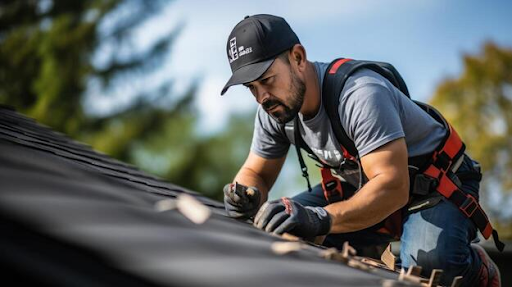
Apply temporary protection if it’s safe to do so. If you have access to heavy-duty tarps and can safely place them without climbing onto a damaged or wet roof, covering the exposed area can prevent additional water from entering. Many homeowners should leave this step to professionals — the risk of injury is real.
Call your roofing contractor and insurance company. Reaching out to a provider that offers emergency roof repair services means getting a professional on-site faster to apply proper temporary protection and assess the situation with expert eyes.
What 24/7 Roof Repair Services Include
Reputable roofing companies that offer emergency services understand that damage doesn’t happen on a convenient schedule. True emergency roofing services include:
After-hours response: A real person should be reachable by phone after business hours, weekends, and holidays. Automated answering systems with next-day callbacks aren’t sufficient for active water intrusion.
Rapid on-site assessment: Emergency roofing services should include prompt on-site arrival to evaluate the damage in person. Remote estimates based on photos alone are inadequate when structural issues may be present.
Professional tarping and board-up: Industry-grade tarps, properly secured and weighted, provide far better temporary protection than anything a homeowner can apply from a hardware store. Proper emergency roofing services include professional-grade temporary weatherproofing.
Written damage documentation: Any contractor conducting an emergency visit should provide written documentation of damage findings — both for your records and to support your insurance claim.
Clear path to permanent repairs: Emergency response is the first step, not the last. A reliable contractor will follow up with a full estimate for permanent repairs and coordinate with your insurance adjuster as needed.
Working With Insurance After an Emergency
Most homeowner’s insurance policies cover sudden and accidental damage from covered perils — typically wind, hail, fire, and falling objects. Storm-related emergency roof damage usually falls within covered categories, though the specifics depend on your policy.
After emergency repairs are made, your insurer will typically send an adjuster to assess the damage. Having a contractor’s written damage report and your own photo documentation makes this process significantly smoother. Some homeowners find it beneficial to have their contractor present during the adjuster’s visit to ensure all damage is properly assessed.
Be aware of the deadline for reporting claims. Most policies require timely notification, and delaying your claim after emergency damage can complicate coverage.
Choosing the Right Emergency Roofing Company
In a crisis, it’s tempting to call the first number that comes up. But a few quick checks can save you from a bad experience:
Verify that the company is licensed and insured before they arrive. Ask directly when you call. A company that hesitates or can’t immediately confirm their coverage status is a warning sign.
Look for a local company with an established presence in your area. Storm-chasing contractors flood local markets after major weather events, offering quick turnarounds at suspiciously low prices. They often deliver poor work and disappear before any warranty claims arise.
Ask whether emergency visit costs will be credited toward permanent repair work. Many reputable companies structure their emergency services this way.
Preventing the Need for Emergency Repairs
No prevention strategy eliminates all risk, but regular roof maintenance dramatically reduces the likelihood of emergency situations. Annual professional inspections catch minor damage before it becomes a crisis. Keeping gutters clean prevents ice dams in winter climates. Trimming trees near your roofline reduces the risk of storm-related impact damage.
When damage does occur, addressing it promptly through normal repair channels prevents the kind of deferred deterioration that eventually turns a manageable problem into a genuine emergency.
Conclusion
Emergency roof situations are stressful, disruptive, and potentially costly — but they’re also manageable when you respond quickly and work with the right professionals. Knowing in advance what constitutes an emergency, what steps to take immediately, and what to look for in a 24/7 emergency roofing provider gives you a clear advantage when the unexpected happens. Keep the contact information of a trusted local roofing company accessible before you ever need it. That preparation alone can make a significant difference when seconds and dollars are on the line.