
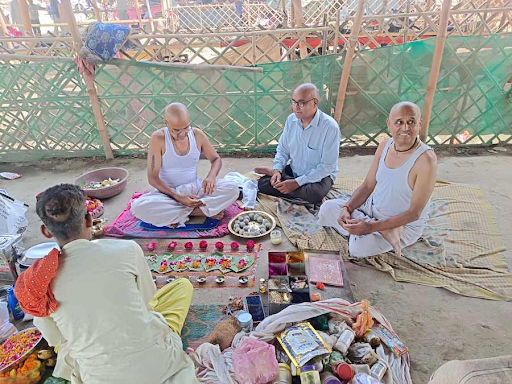
Religious ceremonies often carry a significance that goes far beyond the rituals performed on a particular day. They bring families together, preserve traditions and create moments of reflection during some of life’s most important occasions. From celebrations and house ceremonies to rites performed in memory of loved ones, each ritual has its own purpose, sequence and cultural meaning.
For families planning such occasions, finding appropriate pooja pandit services can make the process easier and more organised. A knowledgeable priest can guide the family through the required rituals, explain the significance of different steps and ensure that the ceremony is conducted according to the relevant traditions. This can be especially helpful when families are unfamiliar with the detailed procedures or are arranging a ceremony away from their ancestral home.
Why the Right Priest Matters
Hindu rituals are diverse, and their procedures can differ according to the purpose of the ceremony, family traditions, region and religious practices being followed. A priest is therefore not simply someone who recites mantras. The role can also involve preparing the family for the ceremony, explaining what is required and helping participants understand the significance behind the rituals.
When people decide to book a pandit for pooja, they should consider whether the priest is familiar with the specific ceremony they are planning. A wedding ceremony, housewarming, naming ritual, havan or remembrance ceremony can involve entirely different procedures.
Clear communication before the event can prevent confusion. Families can discuss the purpose of the ceremony, preferred date and location, expected participants and any particular family customs they wish to follow. This allows the priest to prepare appropriately and advise the family about the materials and arrangements required.
Planning a Pooja with Greater Clarity
Preparation plays an important role in ensuring that a religious ceremony proceeds smoothly. Depending on the occasion, families may need specific offerings, vessels, flowers, grains, fruits, lamps, sacred threads and other traditional items. The requirements can vary considerably between rituals.
A priest with experience in conducting different ceremonies can provide a practical list of materials in advance. This helps families avoid last-minute purchases and allows them to focus on participating in the ceremony rather than worrying about its arrangements.
Language can also matter. Families may feel more comfortable when the priest can explain the rituals in a language they understand. This is particularly valuable when younger family members are participating and want to understand why certain actions are being performed.
The Importance of Traditional Knowledge
Religious traditions are often passed from one generation to another through practice. However, changing lifestyles and geographical mobility mean that many families now live far from the places associated with their ancestral traditions.
As a result, professional priest services can provide an important connection between contemporary family life and traditional practices. A priest familiar with the relevant rituals can help families maintain those traditions even when they are living in a different city or state.
This becomes particularly important for ceremonies associated with significant life transitions. Such occasions can carry considerable emotional and spiritual weight, making appropriate guidance valuable for families who want the rituals to be conducted respectfully.
Understanding Asthi Visarjan Ceremonies
Among Hindu rites associated with death and remembrance, the immersion of ashes holds a particularly important place. Families may travel to sacred locations to perform the ritual according to their traditions and beliefs.
Varanasi has long held special religious significance within Hinduism, and many families choose the city for important rites connected with remembrance and the departed. Planning an asthi visarjan ceremony in Varanasi therefore involves both religious and practical considerations.
Families may need guidance regarding the sequence of rituals, the appropriate location, required materials and arrangements for participating family members. A knowledgeable priest can help explain these aspects while allowing the family to observe its own customs.
Because such ceremonies are often emotionally difficult, having someone experienced to guide the family through the ritual can also reduce practical uncertainty. The focus can remain on remembrance and prayer rather than on managing unfamiliar arrangements.
Respecting Different Family Traditions
There is no single approach to every Hindu ceremony. Practices can vary between regions, communities and families. What is customary in one household may not necessarily be followed in another.
This is why families should communicate their expectations before the ceremony. A priest who understands these differences can help adapt the arrangements while maintaining the essential religious framework of the ritual.
This is especially useful for families living outside their traditional region. They may wish to preserve customs associated with their ancestors while also managing the practical realities of conducting the ceremony in another location.
Making Religious Ceremonies More Accessible
Modern families often have demanding schedules and may be spread across different cities or countries. Coordinating an important religious ceremony can therefore involve considerable planning.
Reliable priest services can make these occasions more accessible by helping families understand what needs to be arranged and when. Instead of approaching the ceremony as a complicated checklist, families can focus on the purpose behind it.
For anyone planning to book a pandit for pooja, advance communication remains one of the simplest ways to create a smoother experience. Discussing the ceremony beforehand gives both the family and the priest an opportunity to clarify expectations.
Similarly, families arranging an asthi visarjan ceremony in Varanasi can benefit from discussing the ritual sequence, location and requirements before travelling. This preparation can be particularly valuable when relatives are coming from different places.
Preserving Meaning in a Changing World
Religious traditions continue to evolve alongside the families who practise them. While modern lifestyles may change how ceremonies are organised, the underlying importance of prayer, remembrance, gratitude and family connection remains significant.
Professional priest services can help bridge this gap between traditional knowledge and contemporary family life. The objective is not simply to complete a ceremony but to help participants understand and engage with the rituals they are performing.
For families seeking pooja pandit services, this combination of knowledge, preparation and respectful guidance can make an important difference. It allows traditional ceremonies to remain meaningful without becoming unnecessarily difficult to organise.
Conclusion
The most meaningful ceremonies are often those in which every ritual is understood rather than simply performed.
For families looking for dependable guidance for religious occasions, Pitradev can help make traditional ceremonies more organised and accessible. Whether the requirement involves a family pooja or an asthi visarjan ceremony in Varanasi, the right support can allow families to concentrate on faith, remembrance and togetherness while the practical aspects are handled with care.