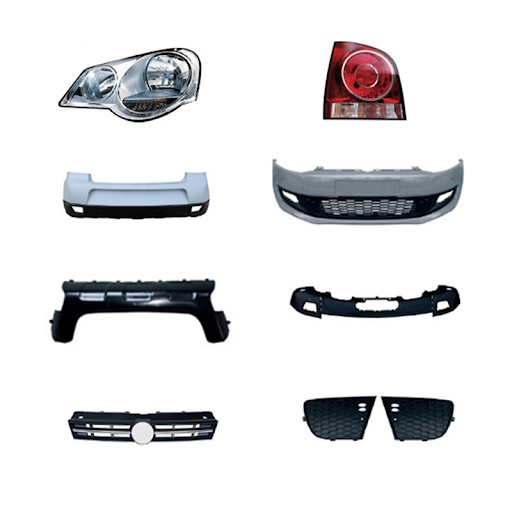
Two Volkswagen bumpers may look almost identical, yet only one may fit a particular vehicle correctly. Small differences in mounting points, sensor openings, trim levels, and production years can turn an apparently simple replacement into a complicated repair. This is why buyers exploring VW parts aftermarket parts online should look beyond photographs and consider the technical details that determine whether a component is suitable for their vehicle. Checking the vehicle model, manufacturing year, and exact part number can help narrow down compatible options. These details also reduce the risk of ordering a component that requires extra modifications or delays the repair process.
Similar Designs Can Hide Important Differences
Volkswagen vehicles share recognisable design features across several models, but their body components are not necessarily interchangeable. A front bumper designed for one version of a Golf may differ from the bumper fitted to another version, even when the overall shape appears similar.
These differences can involve mounting brackets, grille dimensions, fog lamp positions, air intake openings, and sensor locations. A part that looks correct in an online photograph might require modifications or fail to align with neighbouring panels.
Checking the exact vehicle model, generation, production year, and trim level helps narrow down the available options before a purchase is made.
Mounting Points Determine Proper Fitment
Body components rely on specific mounting points to remain securely attached to the vehicle. Clips, brackets, bolts, and support structures must align with the corresponding fittings on the car.
If these points differ, installation may become difficult. A bumper could leave uneven gaps, a fender might not line up with the door, or a grille may sit incorrectly against the surrounding panels.
Correct fitment also affects the final appearance of a repair. Consistent panel gaps and aligned edges help preserve the vehicle’s original design while reducing the need for unnecessary adjustments during installation.
Material Quality Influences Durability
Body parts are manufactured using different materials according to their purpose. Plastic components may be designed to balance flexibility, weight, and impact performance, while metal panels need suitable strength, shape, and corrosion protection.
Aftermarket products can vary in material quality, surface finish, manufacturing accuracy, and resistance to environmental exposure. These differences may influence how well a component withstands daily use and changing weather conditions, making it important to compare VW parts aftermarket parts online carefully.
Buyers should review product specifications and available quality information rather than assuming that all visually similar parts offer the same durability. For painted components, surface preparation and finishing also contribute to the final result.
Lighting Compatibility Requires Close Inspection
Headlamps, tail lamps, fog lamps, and their surrounding housings often vary between Volkswagen models and production periods. Differences can include connector types, mounting arrangements, lighting technology, and the shape of the surrounding bodywork.
A lamp that appears to match the original may still be unsuitable if its electrical connections or housing dimensions differ. Buyers should confirm the part number and the intended vehicle application before ordering.
Lighting components also have a direct connection to road visibility. After installation, the lights should be checked for correct operation and alignment to ensure that they function as intended.
Paint Preparation Is Only Part Of The Job
A replacement fender or bumper may require painting to match the vehicle’s existing colour. However, a good paint finish cannot compensate for incorrect dimensions or poorly positioned mounting points.
The component should first fit the vehicle properly, with consistent gaps around the bonnet, headlights, doors, or adjoining panels. Only after the fitment has been verified should the finishing process proceed.
Paint codes can help identify the original colour, but differences caused by age, sunlight, and previous repairs may require professional colour matching. Proper preparation helps the replacement blend more naturally with the surrounding bodywork.
Part Numbers Provide Better Identification
Photographs are useful for recognising a component, but part numbers offer a more precise way to establish its identity. Manufacturers may assign different references to parts that look similar but serve different versions of a vehicle.
When available, the original component number can help a parts professional identify a suitable replacement. Vehicle identification number (VIN) information can also assist with confirming the vehicle’s factory configuration.
This is particularly useful when browsing VW parts aftermarket parts online, where product images may not show every mounting point, connector, or model-specific variation. Buyers should compare the listed application details and request clarification whenever compatibility remains uncertain.
Aftermarket Parts Need Individual Evaluation
Aftermarket components offer alternatives to parts supplied through a vehicle manufacturer’s original parts channels. They may cover a broad selection of bumpers, fenders, grilles, mirrors, lamps, spoilers, and other exterior components.
However, the aftermarket category includes products with different manufacturing standards and intended uses. Some are designed as direct replacements, while others may be intended for styling changes or particular vehicle configurations.
Buyers should evaluate each product according to its specifications, fitment information, construction, warranty, and intended application. A clear description and a reliable part reference provide a stronger basis for selection than price or appearance alone.
A Careful Check Can Prevent Rework
Before installation, the replacement component should be compared with the original part wherever possible. Mounting points, connector positions, dimensions, brackets, and sensor openings should all be checked against the vehicle’s requirements.
A test fit can reveal alignment problems before painting or final assembly begins. If a component requires unexpected modifications, the installer should investigate the cause instead of assuming that adjustments are always acceptable.
This process can reduce wasted labour, additional finishing costs, and the inconvenience of removing an unsuitable part later.
Conclusion
A successful Volkswagen body repair depends on more than finding a component with the right shape and colour. Mounting accuracy, material quality, sensor compatibility, lighting connections, and vehicle-specific references all influence the result. Buyers comparing an online retailer of VW aftermarket parts in UAE should therefore prioritise verified fitment and clear product information alongside price. Beta Auto Spare Parts provides a broad automotive parts catalogue that customers can explore when sourcing Volkswagen body components and other replacement parts.