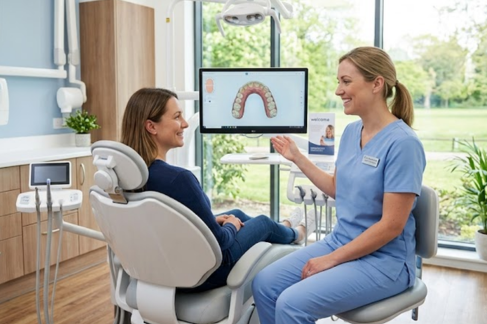
Visiting a new dentist for the first time can feel both exciting and a little uncertain. Whether you’re looking for routine dental care, cosmetic treatments, or a long-term family dentist, knowing what to expect can help you feel more confident. If you’ve booked your first appointment at Allesley Park Dental Practice, you can expect a welcoming environment, a patient-first approach, and personalised dental care tailored to your needs.
From the moment you arrive, the team focuses on making your experience as comfortable and stress-free as possible. This guide walks you through what typically happens during your first visit and how you can prepare for a smooth appointment.
A Warm Welcome from the Moment You Arrive
Your first visit begins with a friendly reception from the practice team. If you’re a new patient, you may be asked to complete a medical history form or confirm details you provided before your appointment. This information helps the dental team understand your overall health, current medications, allergies, and any previous dental treatments.
The welcoming atmosphere is designed to help patients of all ages feel at ease. If you’re feeling nervous about your appointment, don’t hesitate to let the team know. They understand that dental anxiety is common and will do their best to ensure you’re comfortable throughout your visit.
Taking Time to Understand Your Dental History
Before examining your teeth, your dentist will spend time getting to know you and your oral health concerns. This conversation may include questions about:
- Any current dental pain or discomfort
- Previous dental treatments or surgeries
- Your oral hygiene routine
- Cosmetic concerns, such as tooth colour or alignment
- Any history of gum disease or tooth sensitivity
This discussion allows your dentist to understand your goals and recommend treatments that are appropriate for your individual needs.
A Comprehensive Dental Examination
One of the most important parts of your first appointment is a thorough oral examination. Rather than focusing only on your teeth, the dentist will assess your overall oral health.
The examination may include checking:
- Teeth for cavities, cracks, or signs of wear
- Gum health and possible signs of gum disease
- Existing fillings, crowns, or dental work
- Bite alignment
- Jaw function
- Soft tissues inside your mouth, including your tongue and cheeks
- Signs of oral cancer or other abnormalities
This detailed assessment helps identify any issues early before they become more serious.
Digital X-Rays If Needed
Depending on your dental history and current oral health, your dentist may recommend digital X-rays.
These images allow the dentist to see areas that cannot be examined with the naked eye, including:
- Tooth roots
- Bone health
- Hidden decay
- Impacted teeth
- Early signs of infection
Digital X-rays use low levels of radiation and provide clear images that help your dentist create an accurate treatment plan if needed.
A Discussion About Your Oral Health
Once your examination is complete, your dentist will explain their findings in clear, easy-to-understand language.
They’ll discuss:
- The current condition of your teeth and gums
- Any existing dental problems
- Preventive care recommendations
- Treatment options if any issues are identified
Rather than recommending unnecessary procedures, the focus is on helping you make informed decisions about your dental care. You’ll have the opportunity to ask questions and discuss any concerns before moving forward with treatment.
Creating a Personalised Treatment Plan
Every smile is different, which is why treatment recommendations are tailored to your individual needs.
Depending on your oral health goals, your personalised plan may include:
- Routine dental check-ups
- Professional hygiene appointments
- Fillings or restorative treatments
- Teeth whitening
- Invisalign
- Composite bonding
- Dental implants
- Crowns or bridges
If treatment isn’t immediately required, your dentist will simply recommend regular check-ups and provide advice on maintaining healthy teeth and gums.
Preventive Advice for Better Oral Health
Prevention is an important part of long-term dental care. During your visit, you’ll receive practical advice on protecting your smile between appointments.
Your dentist may recommend improvements to your:
- Brushing technique
- Flossing routine
- Diet and sugar intake
- Use of fluoride products
- Smoking cessation, if applicable
These small changes can significantly reduce your risk of cavities and gum disease over time.
What If You’re a Nervous Patient?
Many people delay dental visits because of anxiety or previous negative experiences. If this sounds familiar, you’re not alone.
During your first appointment, the dental team will take extra time to explain each step before beginning treatment. You’ll never be rushed or pressured into making decisions.
Simple measures, such as regular communication, gentle techniques, and allowing breaks when needed, can make your visit much more comfortable. The goal is to help you build confidence with every appointment.
Preparing for Your First Appointment
A little preparation can help your visit go smoothly.
Before your appointment, it’s helpful to:
- Arrive a few minutes early.
- Bring a list of any medications you take.
- Inform the practice about any medical conditions or allergies.
- Prepare questions you’d like to ask your dentist.
- Bring details of previous dental treatment if relevant.
Being open about your concerns or treatment goals allows your dentist to provide the most personalised care possible.
Building a Long-Term Relationship with Your Dentist
Your first visit is about more than checking for cavities—it’s the beginning of a long-term partnership focused on maintaining your oral health.
By understanding your dental history, listening to your concerns, and providing personalised recommendations, the team aims to help you enjoy a healthy, confident smile for years to come. Whether you need routine preventive care or more advanced treatment, regular visits can help detect problems early and reduce the need for complex procedures in the future.
Final Thoughts
Your first visit to Allesley Park Dental Practice in Coventry is designed to be informative, comfortable, and centred around your individual needs. From a comprehensive dental examination to personalised treatment recommendations and preventive advice, every step is focused on helping you achieve excellent oral health.
If you’ve been putting off a dental appointment or are looking for a trusted private dental practice, scheduling your first visit is a positive step towards a healthier smile.
Frequently Asked Questions
1. How long does a first dental appointment usually take?
A first appointment typically lasts between 30 and 60 minutes, depending on your dental history, examination requirements, and whether X-rays are needed.
2. Will I receive treatment during my first visit?
In many cases, the first appointment focuses on assessing your oral health and discussing treatment options. If a minor issue can be addressed immediately and time allows, your dentist may provide treatment during the same visit.
3. Do I need X-rays at my first appointment?
Not always. Your dentist will only recommend X-rays if they’re necessary to assess your oral health or diagnose issues that aren’t visible during a standard examination.
4. What should I do if I’m nervous about visiting the dentist?
Let the dental team know before or at the start of your appointment. They can explain each step, answer your questions, and adapt the pace of your visit to help you feel more relaxed and comfortable.