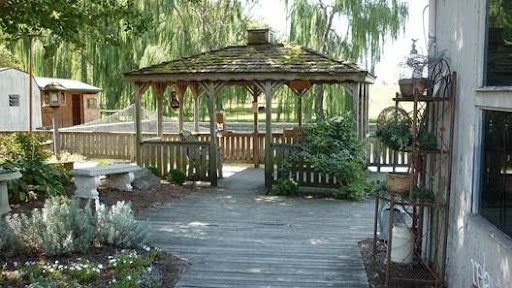
There’s something timeless about stepping into a backyard and finding a structure that feels both intentional and natural. A well-built pergola doesn’t just add shade — it adds character, value, and a reason to spend more time outdoors. If you’ve been thinking about upgrading your outdoor space, this is the guide you’ve been waiting for.
Pergolas have been a staple of outdoor architecture for centuries. Originally used in Italian gardens, they evolved from simple post-and-beam frameworks draped in climbing plants into sophisticated structural statements. Today, they serve as the centerpiece of patios, garden paths, deck extensions, and pool areas. The material you choose, however, makes all the difference.
The Case for Timber
Wood has an organic warmth that synthetic materials simply can’t replicate. When you walk under a wood pergola versus one made from vinyl or aluminum, the experience is entirely different. There’s weight, texture, and a natural aesthetic that complements nearly every landscape style — from rustic farmhouse to modern mountain retreat.
Among the many lumber options available, Douglas fir, cedar, and pine stand out for outdoor applications. These species resist moisture, handle temperature swings well, and weather gracefully over time. When properly sealed and maintained, a timber pergola can last decades while actually improving in appearance as the wood takes on a natural patina.
Understanding Timber Frame Construction
Timber framing is a centuries-old building method that uses large, heavy beams joined with precision cuts — mortise and tenon joints, for example — rather than relying solely on metal hardware. This creates incredibly strong structures with clean visual lines. In outdoor applications, this technique produces pergolas that feel permanent and solid, not flimsy or temporary.
If you’re ready to bring this kind of craftsmanship to your backyard, exploring a western timber frame pergola gives you access to structures engineered for the climate demands of western North America — built from regionally sourced timber and designed with real outdoor living in mind.
Western Timber Pergolas and Climate Considerations
Not all pergolas are created equal when it comes to weather performance. A timberframe pergola built for western climates accounts for high UV exposure, seasonal snow loads, and wide temperature ranges. This means heavier beams, deeper post footings, and wood species selected for moisture resistance.
A western pergola typically features oversized post diameters (6×6 or 8×8) for structural integrity, notched or mortised connections that distribute weight evenly, pre-drilled rafter holes for optional shade cloth or polycarbonate roofing, and pre-stained or oiled finishes that are UV-stabilized for longevity. These aren’t just aesthetic choices — they’re engineering decisions that determine how your structure looks in year one versus year ten.
Customization Options Worth Considering
One of the biggest advantages of timber pergolas over pre-packaged vinyl kits is customization. You’re not locked into a catalog size or a one-size-fits-all design. Want a 12×20 footprint to cover your entire deck? Done. Prefer a curved top beam? It can be milled. Thinking about integrating string lights, a ceiling fan, or a retractable canopy? These additions are much easier to plan into timber structures from the start.
Beyond size, you can choose your beam profile — rough-sawn for rustic texture or smooth-planed for a modern look; your post style, whether tapered, reclaimed, or craftsman-style; rafter spacing, where closer spacing creates more shade and wider spacing lets in more sky; and your color finish, from natural wood tones to grey weathered stains to deep espresso.
Timber pergolas also serve as a canvas for outdoor living. Once in place, homeowners often add outdoor curtains for privacy, hanging lanterns for evening ambiance, and plant trellises to grow jasmine or hops.
Installation: What to Expect
Installing timber pergolas requires proper footing — especially for post anchoring. Frost depth varies by region, so post bases must be set deep enough to remain stable through freeze-thaw cycles. Depending on the pergola’s size and your existing patio surface, installation typically involves either poured concrete footings or surface-mount post anchors rated for your structure’s weight.
Most timber pergola kits come with detailed instructions, pre-cut components, and hardware. It’s always worth consulting with the supplier about whether your specific project — deck attachment, sloped yard, or second-story access — requires additional planning.
Long-Term Value
Homebuyers consistently rank outdoor living spaces among the top factors that influence purchasing decisions. A high-quality timber pergola doesn’t just make your yard more enjoyable — it contributes to curb appeal and perceived property value. Compared to in-ground pools or elaborate landscaping, pergolas offer exceptional ROI for the investment.
Regular maintenance is minimal: annual cleaning, periodic re-sealing every two to three years, and occasional hardware checks are all it takes to keep a timber frame pergola looking its best for a very long time.
Your backyard is an extension of your home. Treat it that way. Whether you’re creating a shaded dining nook, framing a garden path, or designing an outdoor room for year-round entertaining, timber pergolas deliver unmatched durability, beauty, and versatility. Start planning now, and you’ll be sitting beneath your own structure before the next season turns.