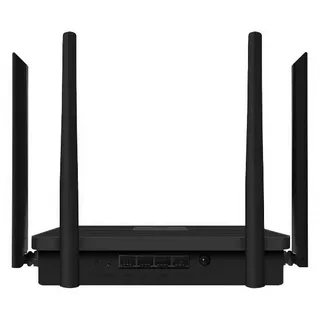
A router can look insignificant once it has been removed from a network. It may sit quietly in a storage room, office cabinet, or equipment rack, waiting for someone to decide what should happen next. Yet these devices contain useful components, recoverable materials, and information about how technology moves through its lifecycle. For businesses managing outdated networking equipment, working with a reliable router scrap buyer can make the recovery process more organized and practical.
The Changing Role of Network Routers
Routers are central to communication between devices, networks, and internet connections. As organizations expand, their networking requirements also change. Older routers may no longer provide the speed, security features, compatibility, or capacity required by modern infrastructure.
That does not automatically make every retired router worthless. A device can become unsuitable for one environment while remaining useful for another purpose. Its condition, specifications, age, brand, and components all influence what can be done with it after removal.
Understanding this distinction is important because disposal should not always be the first decision. Evaluation can reveal whether a router should be reused, resold, dismantled, or sent for responsible recycling.
Why Upgrades Create Surplus Routers
Technology upgrades often happen in stages. A business may replace routers across several branches, move toward newer networking standards, or consolidate multiple devices into a more advanced system.
When this happens, a large number of older routers can suddenly become surplus. They may still function, but keeping them indefinitely can create storage challenges. Boxes take up valuable space, equipment becomes harder to track, and devices can gradually deteriorate.
A planned recovery process gives businesses a way to manage this transition. Instead of allowing old routers to disappear into storage, organizations can identify their condition and determine the most suitable next step.
Condition Makes A Major Difference
Two routers of the same model can have completely different recovery potential. One may have been carefully maintained and removed from service during a routine upgrade. Another may have suffered physical damage, overheating, moisture exposure, or missing components.
Condition assessment therefore plays an important role in recovery decisions. Functional devices may have opportunities for reuse or resale, while damaged units may be more suitable for component recovery and recycling through a router scrap buyer Abu Dhabi.
Visible condition is only part of the assessment. Age, compatibility, working status, accessories, and technical specifications can also affect the practical value of a router.
Valuable Components Inside Retired Equipment
A router is more than its outer casing. Inside, it can contain circuit boards, processors, memory, connectors, power components, metal parts, and other materials.
When complete equipment has little practical resale value, these individual components may still have recovery potential. Proper dismantling can help separate useful materials from parts that require recycling.
This is particularly relevant for damaged or incomplete networking equipment. Rather than sending an entire device directly into a general waste stream, component-level evaluation can help recover materials while reducing unnecessary disposal.
Data Security Remains Important
Routers can also be connected to sensitive network information. Depending on the model and configuration, equipment may contain stored settings, credentials, configuration details, logs, or other information that should not remain accessible when the device leaves an organization.
For this reason, retirement should include appropriate data and configuration handling. Resetting equipment, removing stored information, and following internal security procedures can help reduce avoidable risks.
A responsible recovery process should consider information security alongside physical equipment value. Treating the two as separate priorities can make technology retirement safer and more controlled.
Sorting Can Prevent Unnecessary Disposal
Once routers are collected from different departments or locations, sorting becomes useful. Functional equipment can be separated from damaged units, incomplete devices, and equipment intended specifically for recycling.
This simple distinction can prevent potentially reusable routers from being mixed with material that has no practical reuse opportunity. It can also make transportation, storage, documentation, and final processing easier to manage.
For organizations handling a large quantity of equipment, systematic sorting creates a clearer picture of what is actually being retired.
Location Can Influence Recovery Planning
Businesses operating across the UAE may have equipment stored in different offices, warehouses, branches, or technical facilities. Moving networking hardware from multiple locations can become complicated when there is no organized collection process.
For organizations in the capital, choosing a router scrap buyer Abu Dhabi can help simplify the handling of retired networking equipment by creating a more focused route for assessment and recovery.
Local collection planning can also reduce the time equipment remains in storage. When retired routers are gathered and evaluated systematically, businesses gain better visibility over their surplus technology.
Turning Storage Space Into Usable Space
Old routers rarely become more useful simply because they remain on a shelf. In fact, prolonged storage can create additional problems. Equipment may gather dust, packaging can deteriorate, and records about ownership or condition may become unclear.
Removing outdated equipment through a planned recovery process can free valuable storage space. More importantly, it allows businesses to maintain a cleaner and more accurate view of their current technology assets.
This is especially useful during large infrastructure upgrades, when multiple generations of networking equipment may otherwise remain mixed together.
Recovering Value From Network Hardware
The value of retired routers depends on several factors rather than simply their age. Working condition, specifications, demand, completeness, physical state, and component quality can all influence recovery potential.
Professional assessment can therefore provide a more realistic understanding of what happens after retirement. Some equipment may be suitable for continued use, while other units may be better candidates for material recovery.
This evaluation helps businesses avoid two extremes: keeping everything indefinitely or disposing of everything immediately.
Conclusion
Routers may leave an active network, but their lifecycle does not necessarily end there. Careful assessment, secure preparation, organized sorting, component recovery, and responsible recycling through a router scrap buyer can create a more efficient path for retired networking equipment. Businesses that approach surplus routers systematically can reduce storage pressure while making better use of recoverable resources.
For organizations seeking practical support with retired networking equipment, IT Scrap Buyer can help create a more organized recovery process for outdated and surplus IT assets.