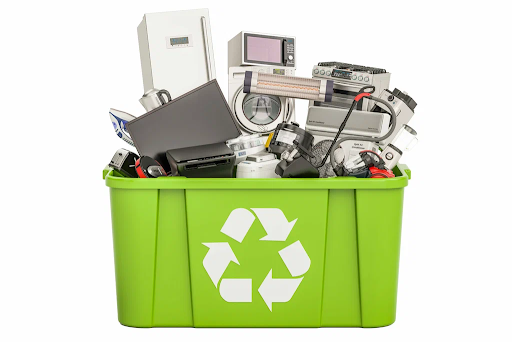
Businesses generate large quantities of electronic waste when they upgrade computers, servers, networking equipment, monitors, printers, and other technology. Managing these assets responsibly requires more than simply clearing unwanted equipment, and working with a bulk e-waste buyer company can help organisations organise collection, evaluate usable assets, and direct remaining materials toward appropriate recovery channels.
A structured process can reduce storage pressure, improve asset visibility, protect sensitive information, and support environmental goals. Instead of treating every retired device as waste, businesses can separate equipment according to condition and recovery potential, creating opportunities for reuse, refurbishment, resale, and material recycling.
Planning the E-Waste Collection Process
Effective e-waste management begins with a clear collection plan. Businesses should identify the types and quantities of equipment available, determine where assets are stored, and establish a practical schedule for removing them. Planning is particularly important when equipment is distributed across several departments, offices, warehouses, or technical facilities.
A well-organised collection process reduces workplace disruption and makes it easier to maintain accurate records. Items can be grouped by category, condition, and location before pickup, allowing the recycling partner to prepare suitable transportation and handling arrangements. This also helps businesses understand the overall scale of their electronic waste before processing begins. Early planning can prevent last-minute clearances, reduce unnecessary handling, and make equipment movement easier to coordinate with business schedules and workplace safety requirements.
Sorting and Evaluating Retired Equipment
Once assets are collected, sorting helps determine the most appropriate route for each item. Functional equipment may have resale or reuse potential, while damaged devices can be directed toward component recovery or recycling. Separating assets early improves processing efficiency and prevents potentially valuable equipment from being treated as ordinary scrap.
-
Checking Equipment Condition
Devices are assessed according to physical condition, functionality, age, and compatibility. This helps identify equipment that can continue serving a useful purpose after suitable preparation or refurbishment. A clear condition assessment also supports better decisions about whether to retain, sell, repair, or safely recycle an asset.
-
Identifying Reusable Components
Some retired devices contain processors, memory, storage drives, power supplies, circuit boards, and other components that may still have value. Separating these parts supports reuse and resource recovery.
-
Classifying Recyclable Materials
Equipment that is no longer suitable for reuse can be categorised for material recovery. Metals, plastics, and other recoverable materials can then enter appropriate recycling streams instead of being discarded unnecessarily.
-
Recording Asset Information
Maintaining basic records of collected equipment improves accountability. Asset details can include equipment type, quantity, condition, and processing category, helping businesses maintain better control over retired technology.
-
Protecting Sensitive Information
Storage devices require careful data handling before equipment is reused, resold, or recycled. Secure data removal helps prevent confidential business information from remaining accessible after assets leave the workplace.
Working With Professional E-Waste Buyers
Choosing an experienced recycling partner can simplify large-scale electronic asset management. Businesses should consider the provider’s collection capabilities, evaluation procedures, data security practices, recycling methods, and ability to handle different categories of IT equipment.
Organisations seeking a reliable bulk e-waste buyer in Dubai can benefit from a provider that offers an organised process from initial pickup through sorting and recovery. Clear communication about quantities, equipment categories, documentation, and processing expectations helps businesses avoid confusion and maintain better oversight.
Professional handling also reduces the internal workload associated with moving heavy or high-volume equipment. Instead of assigning staff to manage every stage, businesses can coordinate with a specialised service provider that understands the practical requirements of electronic asset collection.
Data Security During E-Waste Clearance
Data security should remain a priority throughout the clearance process. Computers, laptops, servers, storage devices, and networking systems may contain business records, credentials, customer information, or operational data. Simply deleting files is not always sufficient when equipment is leaving organisational control.
Businesses should establish data-removal procedures before transferring equipment. Devices containing storage media can be separated and processed according to appropriate security requirements. Maintaining records of completed data handling activities can also strengthen accountability and provide greater confidence during audits or internal reviews.
Recovery, Reuse, and Responsible Recycling
After sorting and data handling, equipment can be directed toward reuse, refurbishment, resale, component recovery, or recycling based on its condition. This approach helps maximise the useful value of technology while reducing the volume of material requiring final disposal.
- Functional devices can be prepared for continued use or resale.
- Repairable equipment can be refurbished to extend its useful lifecycle.
- Valuable components can be separated for secondary applications.
- Metals and plastics can be recovered through appropriate recycling processes.
- Non-reusable materials can be handled through responsible disposal channels.
This recovery-focused approach supports resource conservation and helps businesses reduce unnecessary electronic waste. It also encourages a more circular approach to technology management, where usable equipment and materials remain productive for longer.
Building a More Efficient E-Waste Strategy
A consistent e-waste strategy helps businesses manage electronic assets before storage areas become overcrowded. Regular reviews can identify equipment approaching the end of its useful life and allow organisations to plan collection rather than dealing with large, unorganised accumulations later.
Clear internal responsibilities, accurate asset records, secure data practices, and scheduled collection can make the process more predictable. Businesses can also review outcomes after each clearance cycle to identify opportunities for better sorting, improved documentation, and more efficient resource recovery.
Conclusion
Bulk e-waste management becomes more effective when collection, sorting, data security, evaluation, and recovery are treated as connected stages rather than separate tasks. A structured approach helps businesses control retired equipment, recover useful value, and reduce the environmental impact associated with electronic waste.
For those looking for dependable support, E-Waste IT Recycling offers professional solutions for businesses managing large quantities of retired technology. Organisations searching for a bulk e-waste buyer in Dubai can consider the company for organised collection, asset handling, recovery, and responsible recycling, helping turn unwanted electronics into a more manageable and resource-conscious part of the IT lifecycle overall.