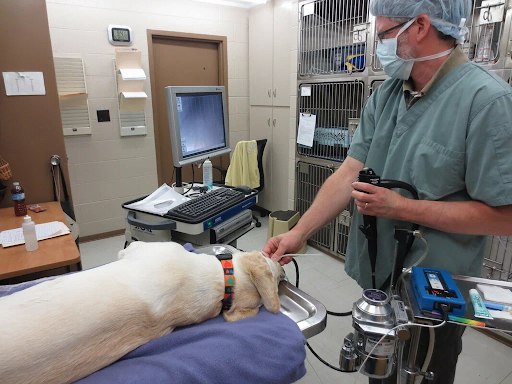
When a pet develops persistent digestive problems, difficulty swallowing, or unexplained symptoms, a routine examination may not reveal the underlying cause. Veterinary endoscopy helps veterinarians examine selected internal areas using a narrow tube equipped with a camera and light. The images allow them to inspect tissues, identify abnormalities, and determine whether further testing or treatment is necessary.
Depending on the suspected condition, the procedure may also help collect tissue samples or retrieve certain foreign objects. A veterinarian assesses each pet’s symptoms, medical history, and overall health before recommending this diagnostic approach.
How the Equipment Helps
An endoscope uses a narrow tube fitted with a small camera and light source to examine internal areas through a natural body opening. The camera displays images on a monitor, helping veterinarians inspect tissues closely. Special instruments can sometimes pass through the scope to collect tissue samples or retrieve foreign objects.
Unlike X-rays and ultrasound, which help assess internal structures, endoscopy allows direct viewing of accessible internal surfaces. These methods can complement each other during diagnosis. Before recommending the procedure, veterinarians consider symptoms, medical history, examination findings, and previous test results to determine whether endoscopy is appropriate for the pet.
Signs That May Need Further Investigation
A vet may consider endoscopy when symptoms continue, return repeatedly, or remain unexplained after an initial assessment. Digestive signs can include persistent vomiting, chronic diarrhea, difficulty swallowing, reduced appetite, weight loss, or suspected bleeding. A swallowed toy, fabric, bone fragment, or other foreign object may also prompt an urgent veterinary assessment.
These symptoms can have many causes, so they do not automatically mean an endoscopy is needed. Contact a veterinarian promptly if symptoms are severe, worsening, or accompanied by weakness, breathing difficulty, repeated retching, or suspected ingestion of a dangerous object.
Conditions Endoscopy Can Help Investigate
The procedure may help identify inflammation, ulcers, abnormal growths, narrowing, or foreign material in areas that the scope can reach. For example, a veterinarian examining the stomach may see irritation or an ulcer that could explain ongoing vomiting. An examination of the esophagus may help investigate swallowing difficulties or regurgitation.
When tissue looks abnormal, the veterinarian may take a biopsy for laboratory examination. A biopsy can help distinguish between different causes of inflammation or identify certain diseases, but the camera view alone cannot confirm every diagnosis. Laboratory analysis and other tests may still be necessary. Endoscopy is therefore one part of a wider diagnostic process, with findings interpreted alongside the pet’s history and clinical signs.
Can It Help Remove Swallowed Objects?
In selected cases, endoscopic instruments can retrieve a foreign object from the upper digestive tract. This may avoid an operation involving a larger incision, depending on the object’s shape, size, location, and condition of the surrounding tissue. Not every object can be removed this way. Some may be too large, sharp, deeply lodged, or positioned beyond the reach of the equipment.
If an object has been swallowed, do not try to make your pet vomit or pull an item from the throat unless a veterinarian specifically instructs you. Seek veterinary advice immediately. The veterinary team will decide whether imaging, endoscopy, surgery, or monitoring is appropriate after assessing the circumstances.
What Happens Before and During the Procedure?
The process begins with a consultation about symptoms, medical history, medicines, and previous test results. Depending on the case, the veterinarian may recommend blood tests or imaging before proceeding. Owners receive preparation instructions, which may include fasting for a specified period. Follow the clinic’s directions carefully, and do not withhold food or water beyond the instructions provided.
Endoscopy commonly requires sedation or general anesthesia so the pet remains still and comfortable. The type of anesthesia and monitoring depend on the animal’s health and the planned examination. The veterinarian carefully guides the scope into the target area and reviews the images on a monitor. If necessary and appropriate, tissue samples may be collected, or a reachable foreign object may be removed. The team then monitors the pet while it recovers from anesthesia.
Recovery and Aftercare
Recovery varies with the procedure, the pet’s overall health, and whether samples or treatment were performed. Some pets can return home the same day, while others may need additional observation. Temporary sleepiness after anesthesia can occur, but owners should follow the discharge instructions and ask the clinic which changes are expected.
The veterinarian may advise when to offer food and water, whether activity should be limited, and how to give any prescribed medication. Follow-up may be needed to discuss biopsy results or plan further care. Contact the clinic if your pet has difficulty breathing, repeated vomiting, significant bleeding, marked weakness, worsening discomfort, or any symptom identified in the discharge instructions as urgent.
Understanding Costs in Dubai
Pet owners often want to understand canine endoscopy cost in Dubai before arranging an appointment. The final estimate can depend on the type of examination, the reason for it, anesthesia and monitoring needs, pre-procedure tests, biopsy analysis, foreign-object removal, and whether hospital observation is required. A simple quote may not include every element of care, so ask for a clear breakdown.
The veterinarian should explain why the procedure is appropriate for your pet and discuss relevant risks, alternatives, and expected next steps. Ask which services are included, whether laboratory analysis is charged separately, and what follow-up may cost. Two dogs with similar symptoms may need different investigations, so an estimate should reflect the individual animal’s needs.
Conclusion
Internal health problems can be difficult to identify when symptoms overlap, or a routine examination does not provide enough answers. Veterinary endoscopy allows vets to view selected internal areas, investigate abnormalities, collect tissue samples, and sometimes remove foreign objects with less invasive techniques. It is not suitable for every case, so a veterinary assessment remains essential. Understanding the process, costs, benefits, and limitations helps owners make informed decisions about their pet’s care.
Pet owners seeking reliable medical guidance can explore the clinic’s range of treatments and services. Pet Point Veterinary Clinic offers veterinary care for pets in Dubai, including endoscopy and endosurgery, general consultations, diagnostic services, advanced surgery, orthopedic care, cardiology, endocrinology, oncology, dermatology, and emergency veterinary services. Their team also provides house calls, prescription diet guidance, grooming, boarding, and behavior training. Contact the clinic to discuss your pet’s symptoms, available procedures, preparation, and follow-up care.